

Materials that deliver on their promises
The right material determines the performance of your component. INTERNORM processes standard thermoplastics as well as technical polyurethanes and will advise you on which material best meets your requirements. The result is components that function reliably under the toughest conditions.

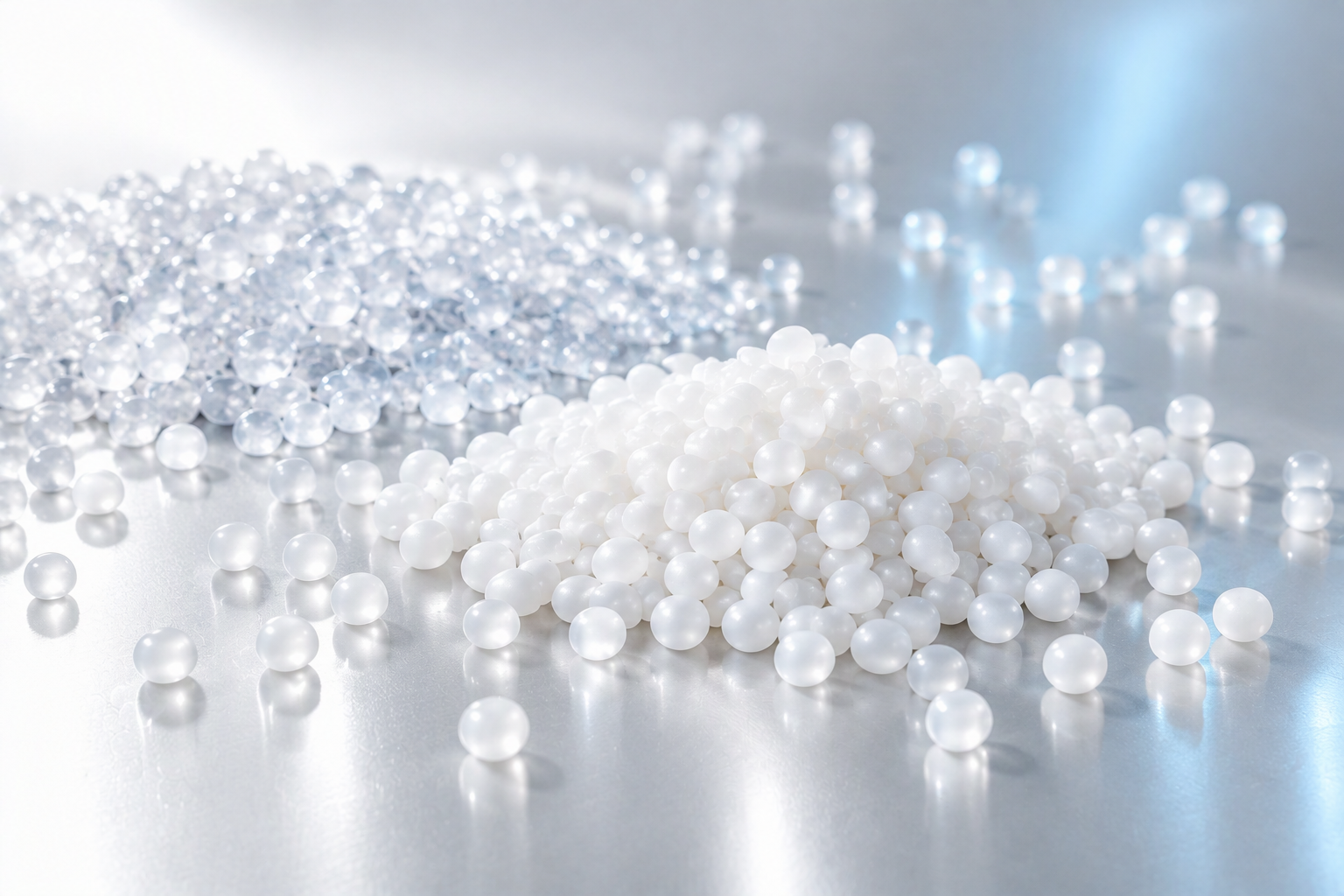
Polyethylene (PE)
Polyethylene (PE) is a thermoplastic made from ethylene. It is characterized by its low weight, good chemical resistance, and high toughness, and is frequently used for packaging, pipes, and containers.
Spritzguss
Gießen
Maschinenbau
Agrartechnik
Lebensmittelindustrie
Baumaschinenindustrie
Fördertechnik
Walzen
Energietechnik
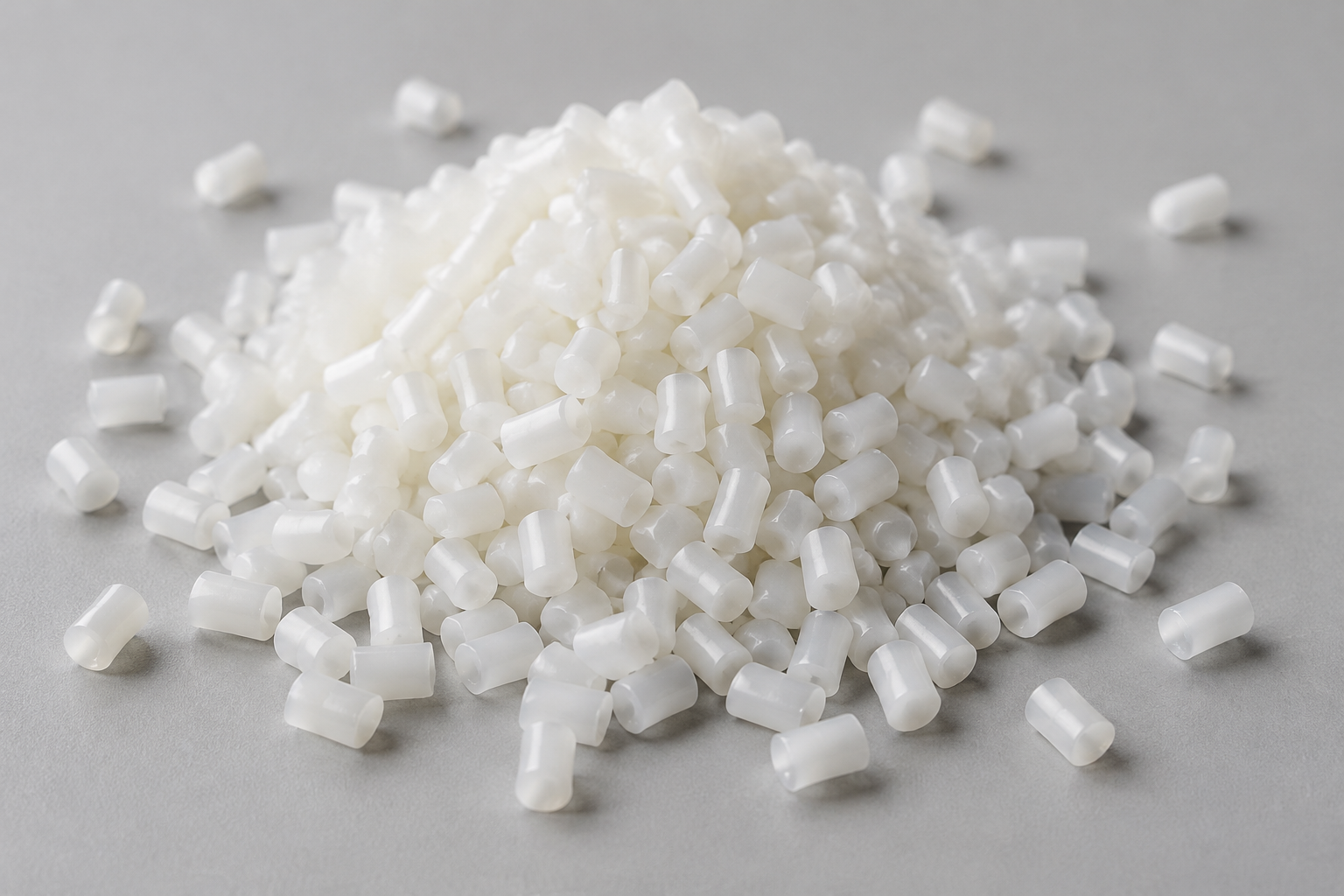
Polyamide (PA)
Polyamid (PA) ist ein technischer Kunststoff aus der Gruppe der Thermoplaste. Das Material zeichnet sich durch hohe Festigkeit, gute Verschleißfestigkeit und eine hohe Belastbarkeit aus und wird häufig für technische Bauteile eingesetzt.
Spritzguss
Agrartechnik
Baumaschinenindustrie
Lebensmittelindustrie
Fördertechnik
Maschinenbau
Energietechnik
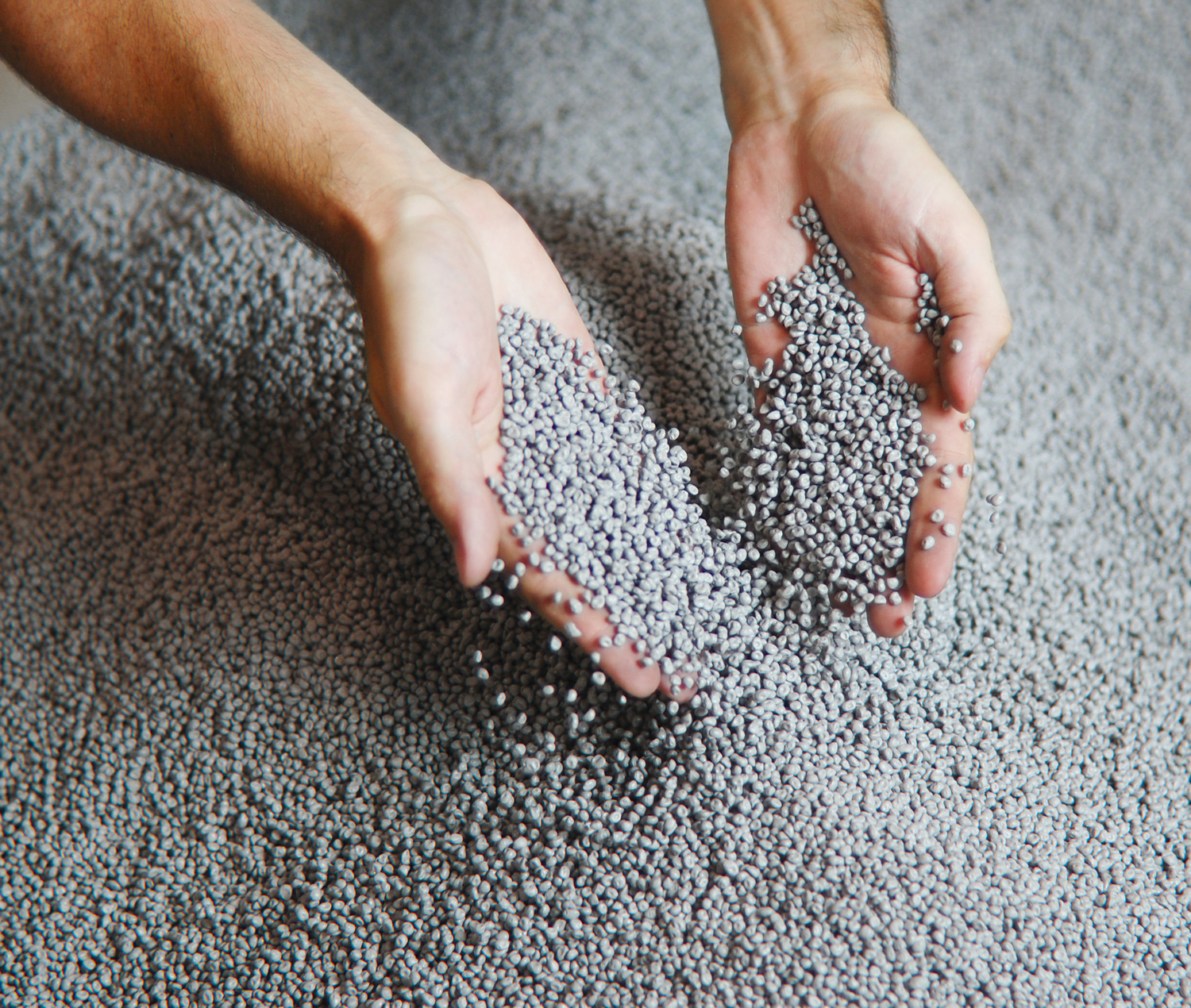
Thermoplastic polyurethane (TPU)
Thermoplastic polyurethane (TPU) is a high-performance engineering material. It is ideal for components that require long-term abrasion resistance, durability, and high mechanical load-bearing capacity.
Spritzguss
Baugruppen
Agrartechnik
Lebensmittelindustrie
Baumaschinenindustrie
Fördertechnik
Maschinenbau
Energietechnik
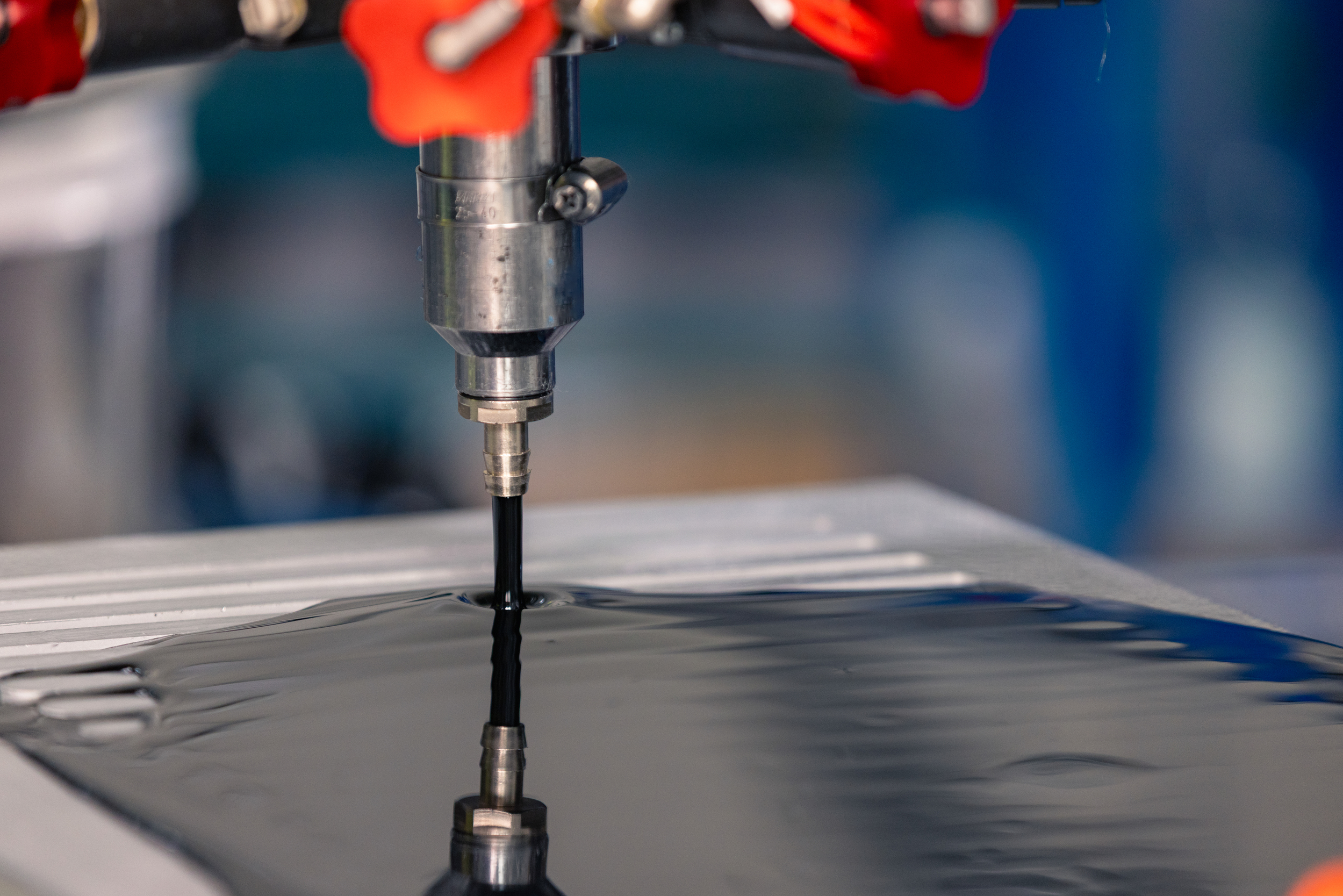
Polyurethane (PU/PUR)
Polyurethane (PU/PUR) is a versatile plastic created through the reaction of polyols and isocyanates, which can be adjusted according to the specific formulation and application.
Gießen
Baugruppen
Agrartechnik
Lebensmittelindustrie
Baumaschinenindustrie
Fördertechnik
Maschinenbau
Walzen
Energietechnik
Engineering plastics are thermoplastics designed for high-stress functional components. They offer superior mechanical, thermal, and chemical resistance compared to standard plastics, while remaining significantly more cost-effective than high-performance polymers. This overview defines this material class, compares key representatives from PA to PTFE based on their technical specifications, and explains how to select the right material for a specific component—and why the choice of manufacturing process is an essential part of that decision.
What are engineering plastics?
Engineering plastics are plastic materials with defined mechanical, thermal, and dimensional properties used for load-bearing components, positioned between standard plastics and high-performance plastics. They are typically characterized by higher stiffness, strength, dimensional stability, and continuous service temperatures than standard plastics.
In terms of global plastics production, standard plastics account for around 80%, while engineering plastics represent a significantly smaller but technologically vital share.
Engineering plastics often reach:
- continuous service temperatures of approximately 100 to 150 °C
- definierte Maßhaltigkeit unter Last und Temperatur
- höhere Verschleiß- und Chemikalienbeständigkeit
This makes them suitable for technical components where standard plastics reach their limits, but high-performance plastics are not economically necessary.
In practice, a distinction is often made between three material classes: standard plastics, engineering plastics, and high-performance plastics. Engineering plastics serve as the bridge between cost-effective mass-produced materials like PE or PP and specialty materials like PEEK or PTFE.
Standard, engineering, and high-performance plastics in comparison
These properties make a plastic an engineering plastic
No single metric determines whether a material qualifies as an engineering plastic. The decisive factor is the interplay of several groups of properties.
Mechanical properties: These include strength, stiffness, impact resistance, and creep behavior under continuous load. For stressed plastic parts, these parameters are often more decisive than pure tensile strength.
Thermal properties: Engineering plastics must maintain their functionality even at elevated temperatures. Important parameters include continuous service temperature, heat deflection temperature, and the coefficient of thermal expansion.
Chemical properties: Many applications require resistance to oils, greases, fuels, acids, or alkalis. Resistance to stress cracking is equally relevant.
Tribological properties: For rollers, bearings, or guides, friction and wear are often more important than strength. Good sliding properties and dry-running performance can significantly increase the service life of a component.
Electrical properties: High dielectric strength and low conductivity make many engineering plastics essential materials in electrical engineering.
Engineering plastics: examples and key properties of the most important materials
The following overview shows typical representatives of engineering plastics and their characteristic fields of application. The values may vary depending on grade, manufacturer and modification.
Further information can be found on our material pages for polyamide and polyethylene.

Where high-performance plastics take over
High-performance plastics such as PEEK, PPS, PEI, or PTFE take over where technical plastics reach their thermal limits. Typical areas of application begin at continuous service temperatures of over 150 °C.
However, these performance advantages are offset by significantly higher material and processing costs, which is why their use is usually only economical for particularly demanding applications.
Selection matrix: which engineering plastic for which requirement?
The optimal choice of material always starts with the requirement.
It is important to consider conflicting objectives. A material can be excellent in one property and at the same time have disadvantages elsewhere. POM, for example, is very dimensionally stable but comparatively difficult to bond. Polyamide offers high toughness but absorbs moisture and thereby changes its property profile.
Which plastics are suitable for technical housings?
Technical housings often have to meet several requirements simultaneously: impact resistance, dimensional stability across varying temperatures, good surface quality, protection against moisture, and, where applicable, flame retardancy and EMC requirements.
For many standard applications, ABS is the economical solution. The material offers good surface quality and is easy to process.
PC is particularly suitable for impact-resistant housings or transparent components.
PC/ABS blends combine the toughness of polycarbonate with the processing and surface properties of ABS.
PA 6-GF is used for housings subject to higher mechanical loads.
In terms of design, uniform wall thicknesses, reinforcing ribs instead of solid wall thickening, and the avoidance of sink marks are crucial. A typical practical example is reinforced PBT housings for electrical assemblies, where dimensional accuracy, electrical safety, and temperature resistance must be met simultaneously.
PBT is frequently chosen for electrical applications where dimensional accuracy and electrical insulation are the primary focus.
For electronic housings, the flame retardancy classification according to UL 94 also plays an important role. Ratings such as V-0, V-1, or V-2 are particularly in demand.
From material to component: injection molding or casting?
The choice of engineering plastic is closely linked to the manufacturing process.
Injection molding is primarily suitable for medium and large series. Once the investment in the mold has been made, high quantities can be produced economically with excellent repeatability.
Casting or PUR molding offers advantages for large components, elastic materials, and small to medium-sized production runs.
One crucial point is often overlooked: not every engineering plastic is suitable for every process. Material selection and manufacturing methods should therefore always be considered together.

The three most common mistakes in material selection
Error 1: Accepting data sheet values without verification
Data sheet values usually apply under standard conditions and for short-term loading. Under continuous load and elevated temperatures, permissible stress levels often drop significantly.
Error 2: Ignoring moisture absorption
Temperatur, Feuchtigkeit, UV-Strahlung und Chemikalien können die Eigenschaften von Kunststoffen erheblich beeinflussen. Bereits in der Werkstoffauswahl sollten deshalb die tatsächlichen Einsatzbedingungen berücksichtigt werden, um Maßabweichungen, vorzeitigen Verschleiß oder Funktionseinschränkungen zu vermeiden.
Error 3: Forgetting thermal expansion
Engineering plastics often have a coefficient of thermal expansion five to ten times higher than steel. In hybrid constructions, this can lead to play, stress, or warping.
Polyamide absorbs moisture, which changes its dimensions, stiffness, and strength. For tight tolerances, the conditioned state must therefore always be taken into account.
Practical experience consistently shows that most material problems do not arise from the wrong quality, but from incomplete boundary conditions during the design phase.

Conclusion: Choosing the right engineering plastics
Engineering plastics differ from standard plastics due to their superior mechanical, thermal, and functional performance. The right material selection is not based on a material catalog, but on the requirements of the application. Equally important is the coordination between material and manufacturing process, because even the best material choice can only reach its full potential if it is processed correctly.
When considering wear, temperature, chemical resistance, dimensional stability, and cost-effectiveness together, there are usually several suitable solutions. The optimal choice is made in consultation with an experienced processor.
FAQ – Frequently asked questions about engineering plastics
What are engineering plastics?

Engineering plastics are thermoplastics whose mechanical, thermal and chemical properties go beyond those of commodity plastics. They include polyamide (PA), polyoxymethylene (POM), polycarbonate (PC) and PBT, among others. They are used for functional components under load.
Which engineering plastics are there?
The most important engineering plastics include polyamide (PA 6, PA 66), polyoxymethylene (POM), polycarbonate (PC), ABS, PBT, polyethylene terephthalate (PET) and PE-UHMW. High-performance plastics such as PTFE, PEEK and PPS take over above them as soon as continuous temperatures above 150 °C are required.
Is plastic the same as “Plastik”?
Yes, in German “Plastik” is the colloquial term for plastic (Kunststoff). The term is uncommon in engineering because it does not name a material class. Technically, a distinction is made between thermoplastics, thermosets and elastomers — and, within thermoplastics, between commodity, engineering and high-performance plastics.
How can you identify PE, PP and PTFE?
A simple distinction can be made by density and feel: PE and PP float in water, their density is below 1 g/cm³. PTFE sinks at around 2.2 g/cm³. PE feels waxy and can be scratched, PP is harder. PTFE is remarkably slippery.
When is an engineering plastic worthwhile instead of metal?
A change of material is worthwhile when low weight, corrosion resistance, electrical insulation or dry running are required. Glass-fiber-reinforced polyamides achieve strengths sufficient for many gears, plain bearings and housings — at a fraction of the density of steel.
Which companies produce engineering plastics?
The value chain is divided: raw material manufacturers produce the granulate, processors turn it into components — for example by injection molding or casting. For a specific component, the processing company is the right contact, not the raw material group.