

Polyurethane rollers & roller coatings
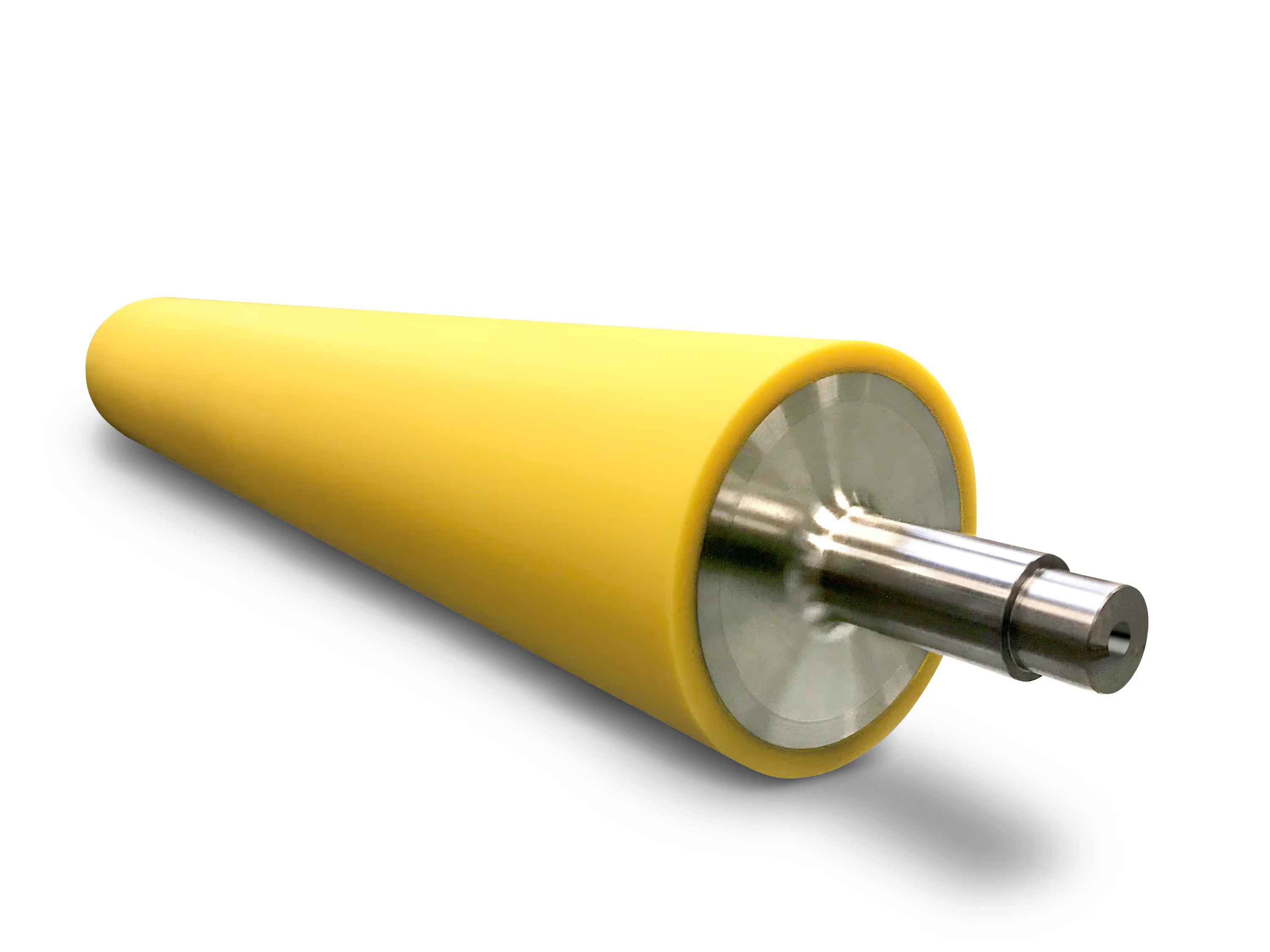
Polyurethane rollers are high-quality industrial rollers with a cast polyurethane (PUR) coating. Compared with conventional rubber coatings, they are characterised by up to 50 per cent less wear and are designed for temperatures of up to 135 °C.
We manufacture roller coatings with a hardness range of 10 to 95 Shore A directly in our own production facility. We offer a one-stop service, covering both the recoating of existing roller cores and the manufacture and supply of fully assembled, ready-to-install rollers.Translated with DeepL.com (free version)
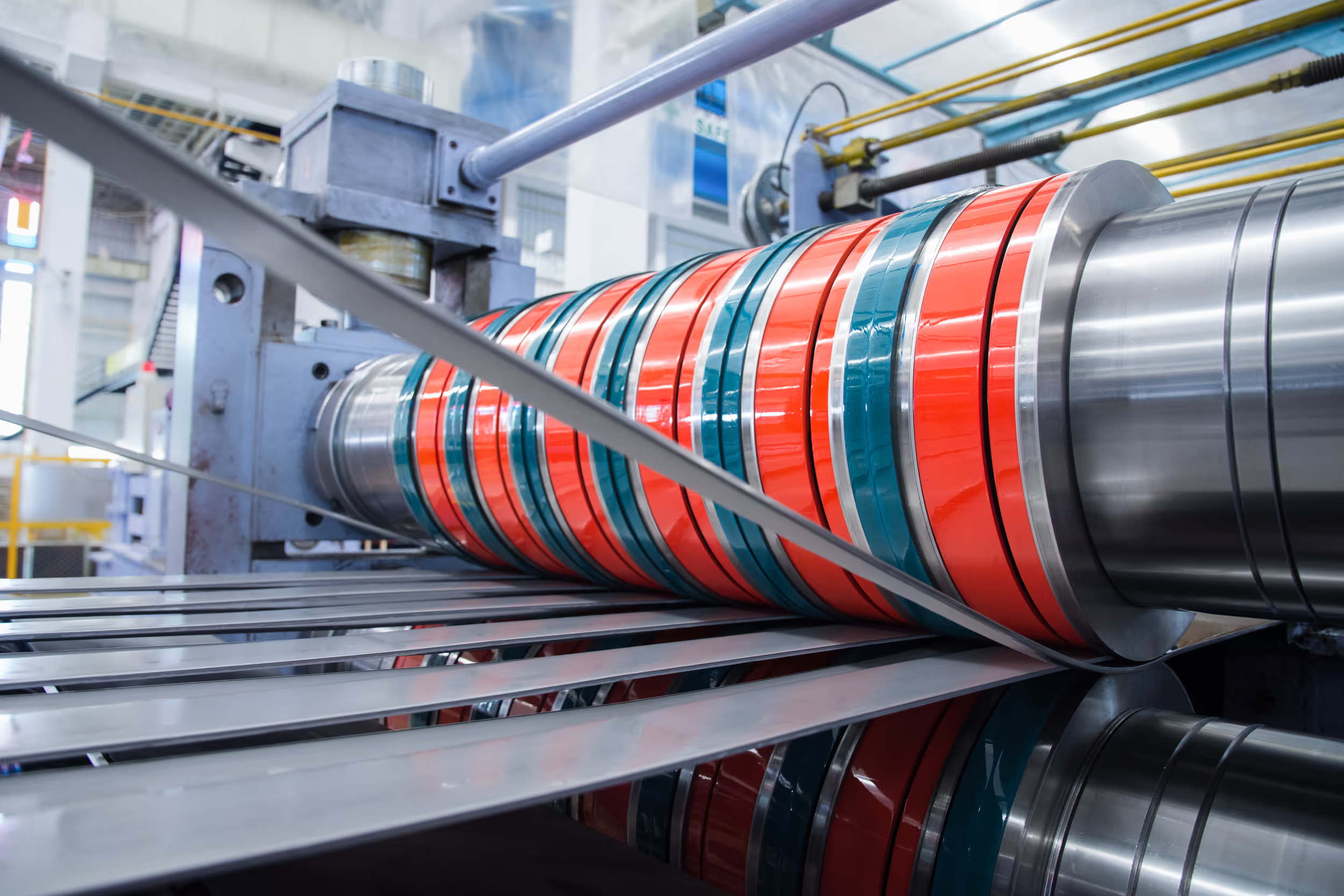
Maximum service life for your rollers
Our roller solutions are designed for precision, durability, and cost-effectiveness to boost the performance of your equipment.

High chemical & thermal resistance
Our PUR coatings are extremely resistant to media such as oils or pickling agents and withstand temperatures of up to 135°C – for maximum durability.

Up to 50% less abrasion than rubber
Compared to conventional rubber systems, the superior mechanics of our polyurethane (PU) materials significantly increase service life and reduce your replacement and setup costs.
Precise adaptation to your process
From hardness (10-95 Shore A) and special additives to surface finish (e.g., ground, laser-engraved), we tailor every roller perfectly to your application.

Comprehensive service from a single source
We offer a complete roller service, from sourcing new cores and recoating to ready-to-install assembly, all handled by a dedicated contact person.
Polyurethane rollers for a wide range of applications

"For Envases, working with reliable partners is very important. We have found such a partner in INTERNORM: We particularly value their excellent delivery reliability and flexibility when it comes to urgent, specialized requirements. Having a direct contact person with comprehensive technical understanding rounds off this outstanding collaboration."

The right process for every requirement
With our own development department, a modern machine park, and consistent quality assurance, we offer the right manufacturing process for every project.
Casting
Prototypes, pilot, and small series
up to 1,000 units
This process enables the fast and cost-effective production of complex components, even without high tooling costs.


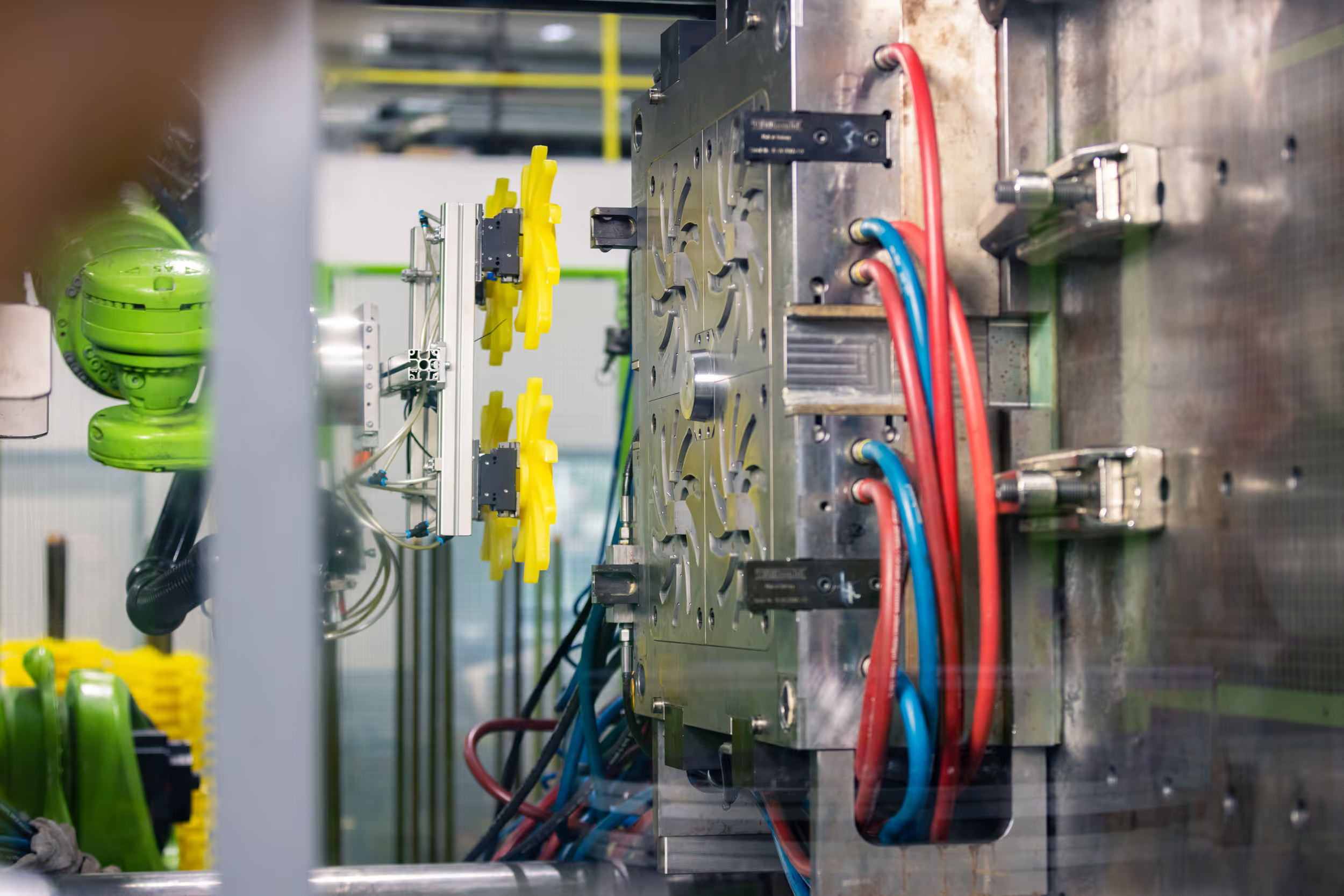
injection molding
Series production
from 1,000 units
The solution for maximum precision in series production. We manufacture large quantities with consistently high quality.
Assemblies
Small to large series
We assemble ready-to-install components for you – including purchased parts, surface finishing, and final inspection.

Advantages & Properties of PU Rollers
PU rollers are among the most powerful solutions for industrial conveying, guiding and pressure applications. They combine high abrasion resistance with excellent chemical and mechanical resistance, offering clear advantages over many conventional elastomer materials.
A particular advantage of polyurethane is its exceptionally wide hardness range from 10 to 95 Shore A. This allows a wide variety of requirements to be met with a single material – from extremely soft, vibration-damping applications to hard, wear-resistant pressure rollers.
Depending on the PU system used, the rollers are highly resistant to numerous media. These include oils, coolants, pickling agents and many hot acids and alkalis. For applications involving direct or indirect product contact, suitable PU materials with food-contact approval are also available.
In addition to their high wear resistance, PU rollers offer good rebound resilience and a low compression set. This means the roller retains its shape even under continuous load and ensures consistent performance. This contributes to high process reliability and reproducible results.
Anyone looking to have rollers coated gets a material with polyurethane that combines the advantages of different materials. Compared to rubber-covered rollers, polyurethane generally offers higher abrasion and cut resistance. Compared to silicone, it can withstand significantly higher mechanical loads. Silicone shows its strengths mainly at very high temperatures. Overall, PU rollers are an economical and durable solution for numerous industrial applications.
Technical Specifications – Dimensions, Hardness, Surfaces
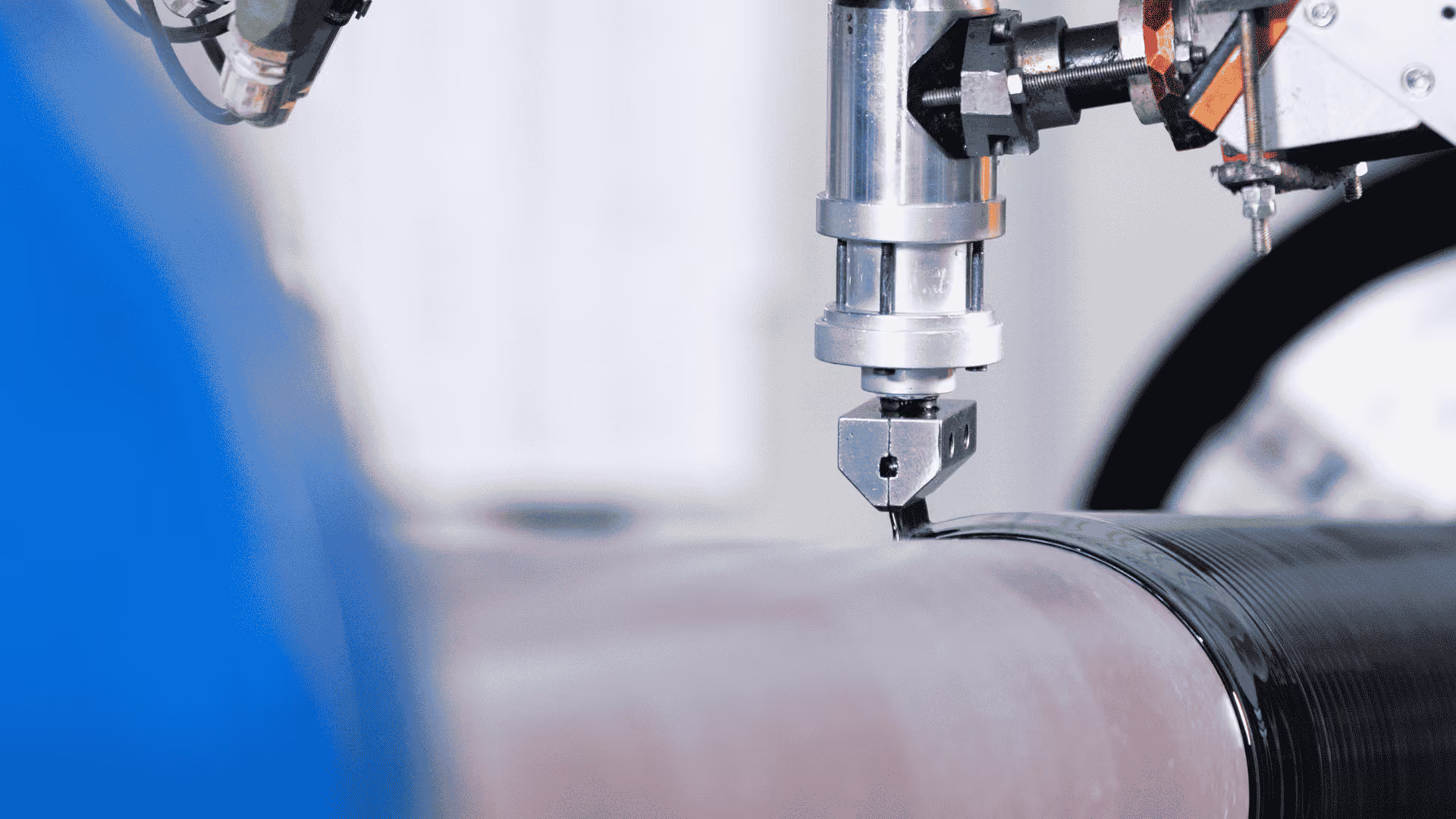
We manufacture PU rollers with diameters of up to 1.5 m and lengths of up to 6 m. The range extends from compact precision rollers to large-scale rollers for heavy industry. Special dimensions are also possible depending on the design.
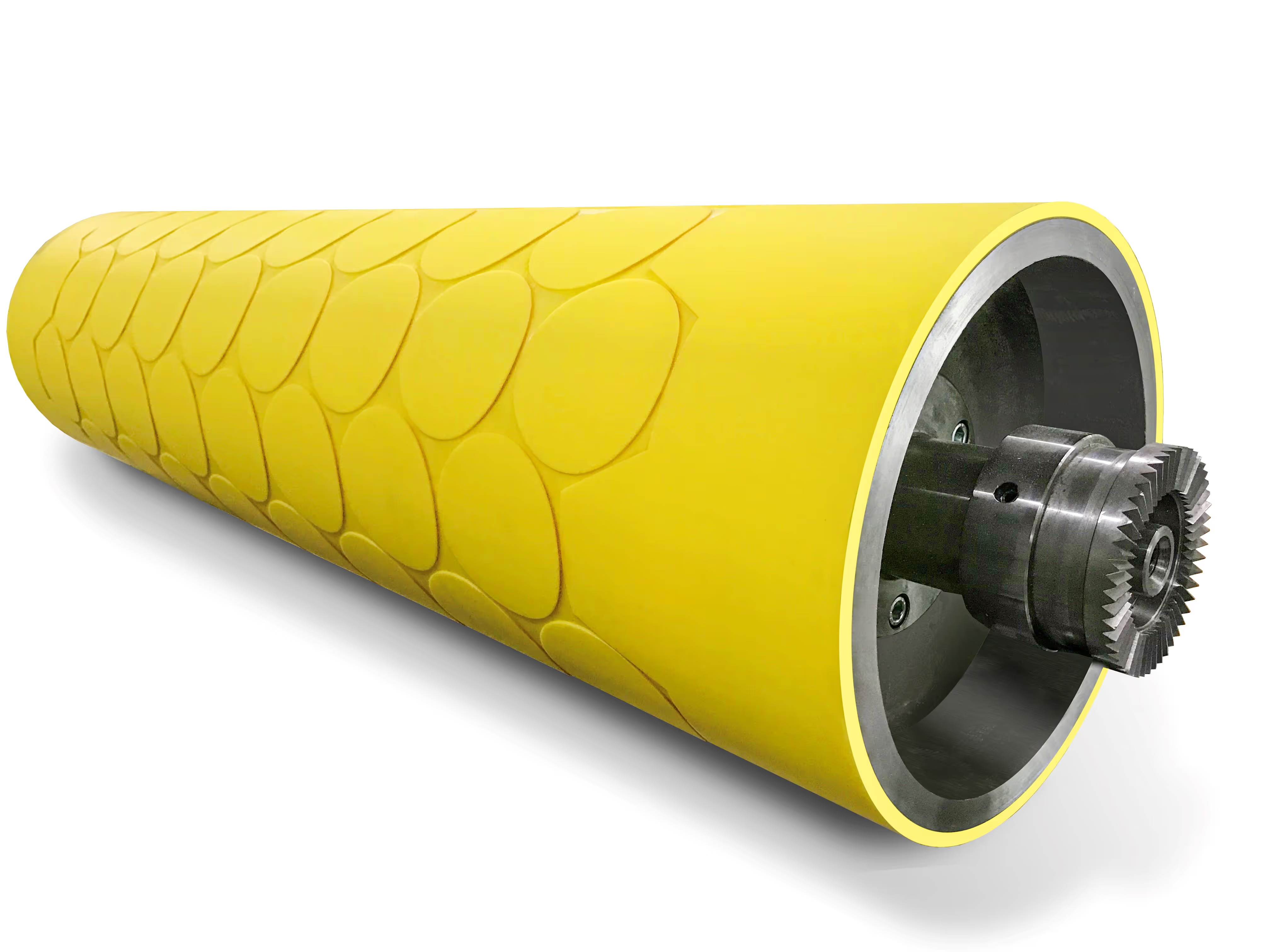
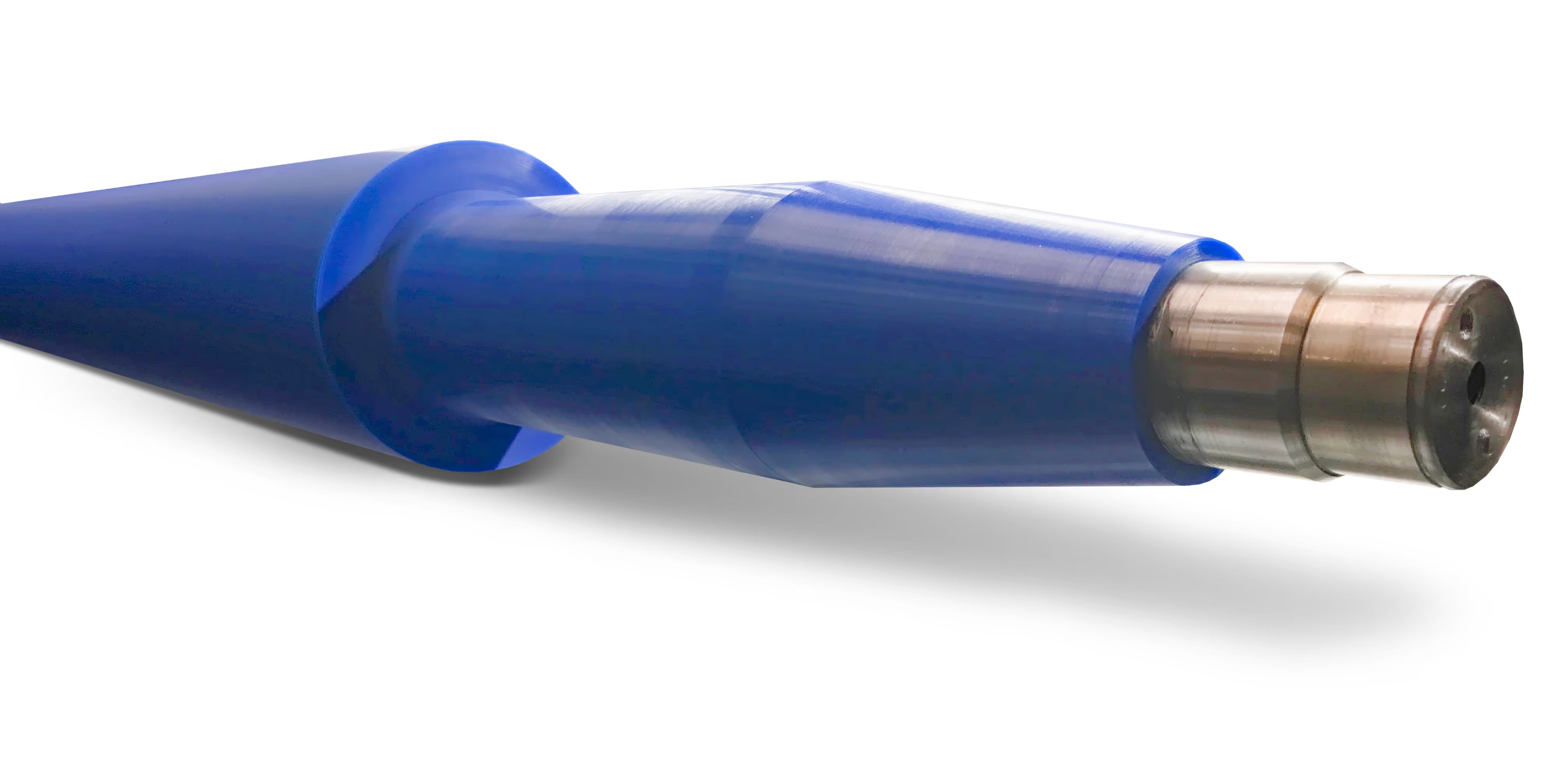
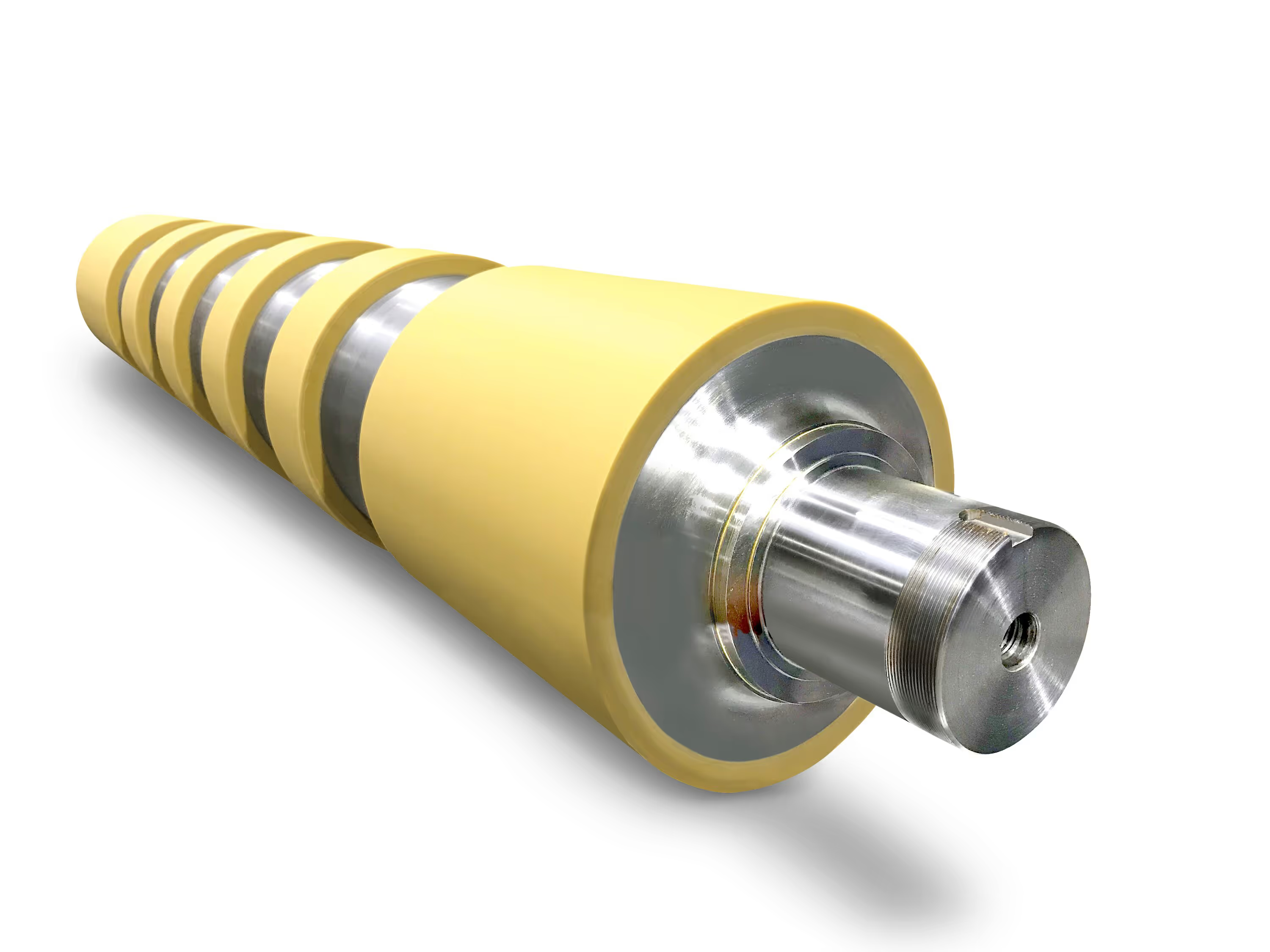
Beyond the standard hardness range, materials in the Shore D range are also available on request. Depending on the application, different materials are used for the base body (roller core). Steel, stainless steel or aluminum are commonly used. The polyurethane coating is optimally matched to the respective base body. Various surface finishes are available to achieve the desired function and running behavior. In addition to cylindrically ground rollers, cross-grooved, laser-engraved or stepped surfaces are possible, for example. The achievable grinding accuracy depends on the respective PU material. With precise grinding and polishing processes, roughness values of Ra < 0.5 µm can be achieved.
In addition, industrial polyurethane rollers can be equipped with special properties. These include, for example, electrically conductive or food-grade versions on request. The result is durable and cost-effective roller solutions for virtually any industrial application.
Whether single part, replacement roller or series production – on request, manufacturing is carried out according to the customer’s drawing, sample or technical specifications.
Our Roller Service – From Coating to Assembly
As a manufacturer of polyurethane rollers, INTERNORM supplies not only the coating, but a complete service package covering development, manufacturing including pretreatment and grinding, and assembly.
Depending on the initial situation, we offer different services. Existing roller cores can be cost-effectively recoated and adapted to changed operating conditions. To do this, we professionally remove existing old coverings, prepare the core and apply a new polyurethane coating. We also handle complete new production, including core procurement and manufacture of the roller body. On request, we then deliver the roller fully assembled and ready for installation, so it can be used directly in your system. Having all services from a single source reduces interfaces, simplifies project handling and saves valuable time.
You can find out more about the production of polyurethane components on our page Casting process.
FAQ – Frequently Asked Questions about Polyurethane Rollers
Here you will find direct answers to frequently asked questions about our products.
What are polyurethane rollers?
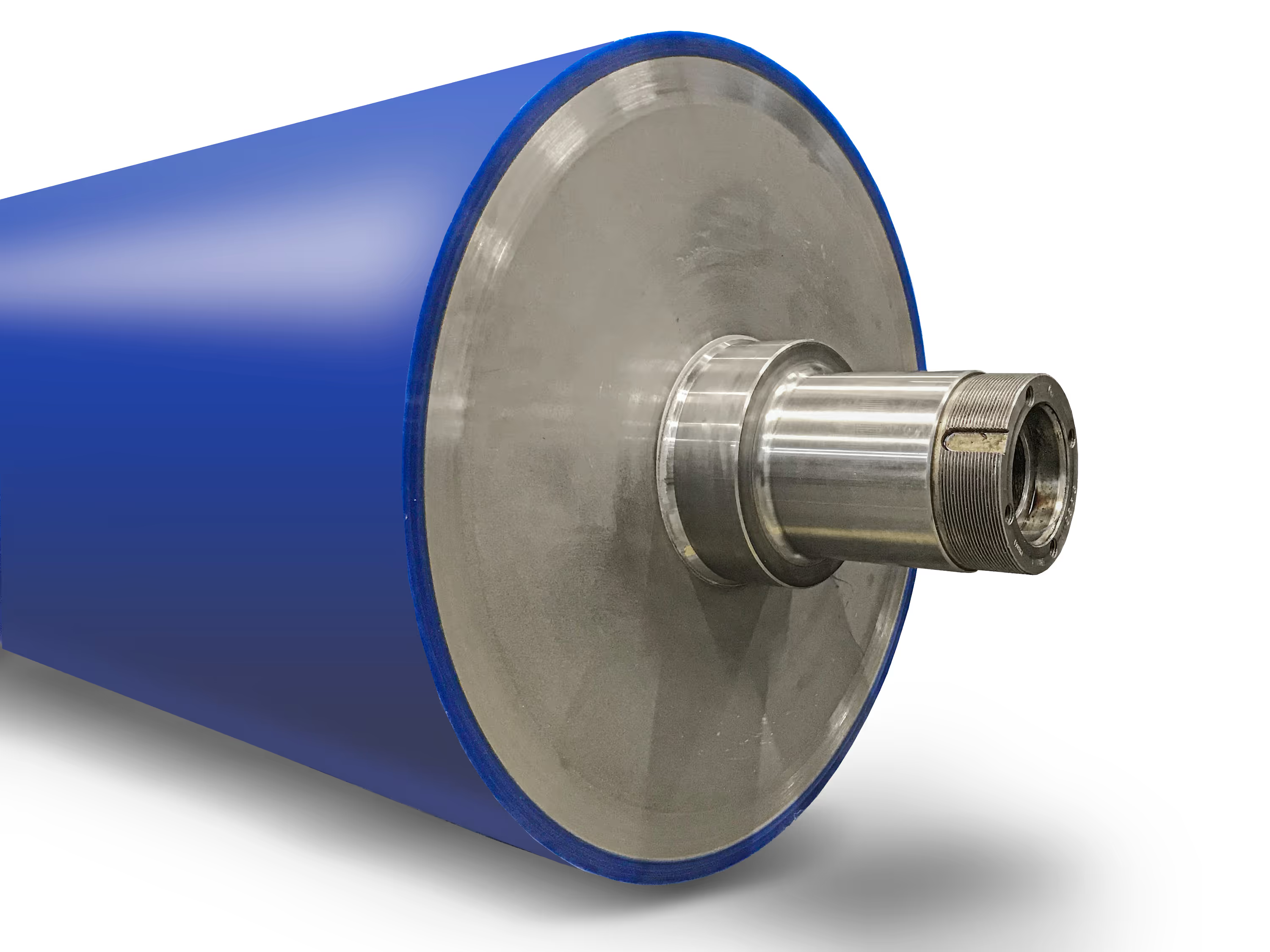
Polyurethane rollers consist of a roller core, usually made of steel, stainless steel or aluminum, and a covering of cast polyurethane (PUR). The covering combines the elasticity of rubber with higher abrasion and cut resistance. They are used, among other things, as conveyor, pressure, coating or squeeze rollers.
What types of rollers are there?
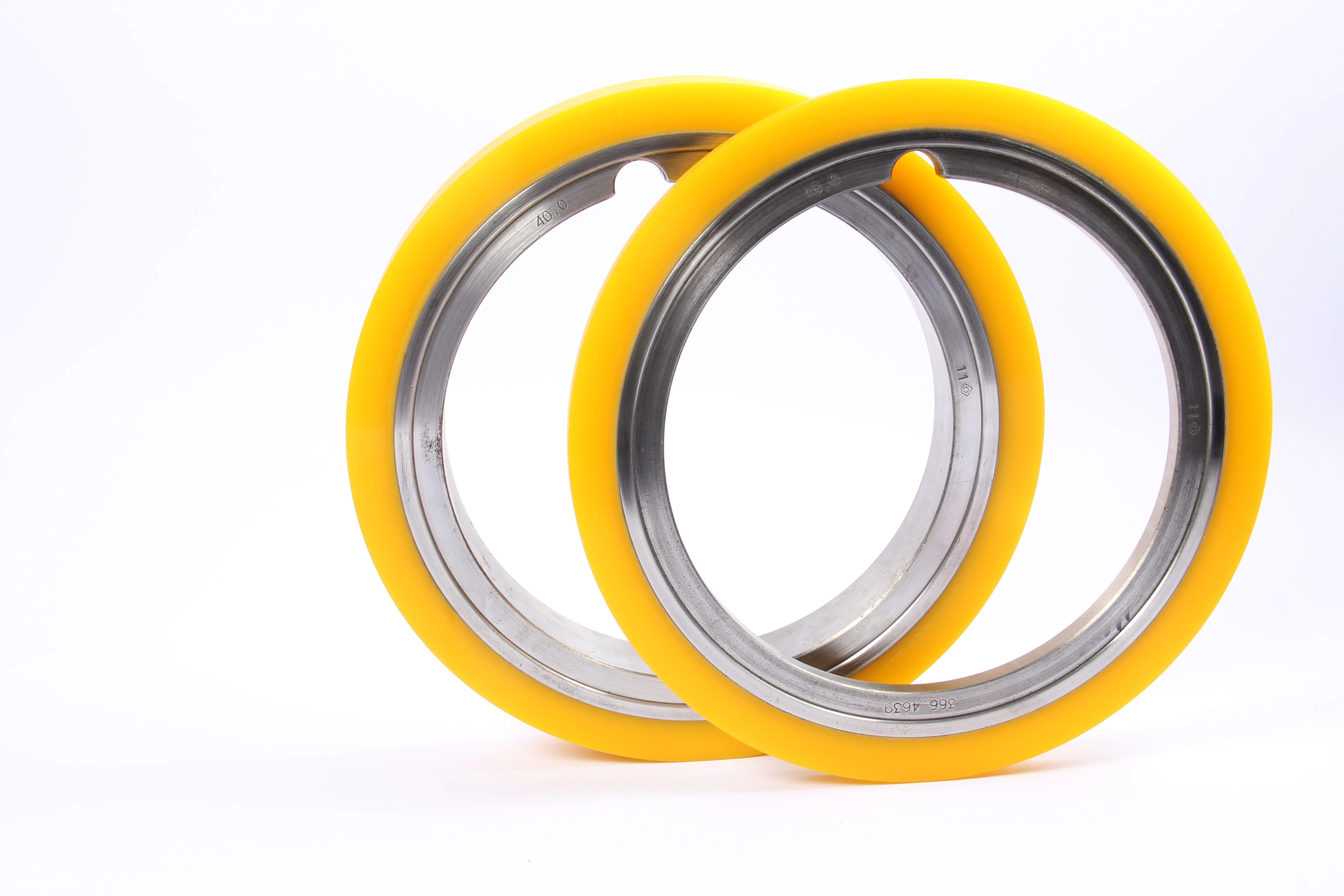
Common types of PU-coated rollers include deflection rollers, coating rollers, squeeze rollers, embossing counter-pressure rollers, support rollers and ejector rings. In addition, custom solutions are developed to customer requirements for almost all industries. Dimensions, hardness, surface texture and material are precisely adapted to the respective application. Production is based on drawings, samples or technical specifications – from single items to series production.
How are polyurethane rollers manufactured?
PU rollers are manufactured by casting. The liquid PUR system is applied to a roller core (rotational casting) or poured into a mold and then cured. This makes it possible to achieve different degrees of hardness, individual geometries and durable coatings. The process is particularly suitable for customized one-offs, replacement rollers and series production.
What are the disadvantages of polyurethane?
Despite higher initial costs, polyurethane offers clear economic advantages in many applications. Thanks to longer service life, reduced wear and tear, and lower maintenance and downtime costs, the investment costs can often be recouped within a short period of time. Over the entire life cycle of a roller, polyurethane is therefore often the more economical choice.
Get in touch with us!
