PU at a glance
Polyurethane (PU/PUR) is a versatile plastic created through the reaction of polyols and isocyanates, which can be adjusted according to the specific formulation.
This variable composition allows PU to be specifically tailored to mechanical, chemical, and thermal requirements, as well as individual use cases. It is frequently used in technical applications such as seals, rollers, coatings, linings, housings, wipers, or cylinders.
What is polyurethane (PU/PUR)?
Polyurethane (PU or PUR) is a polymeric material created through the chemical reaction of polyols and isocyanates.
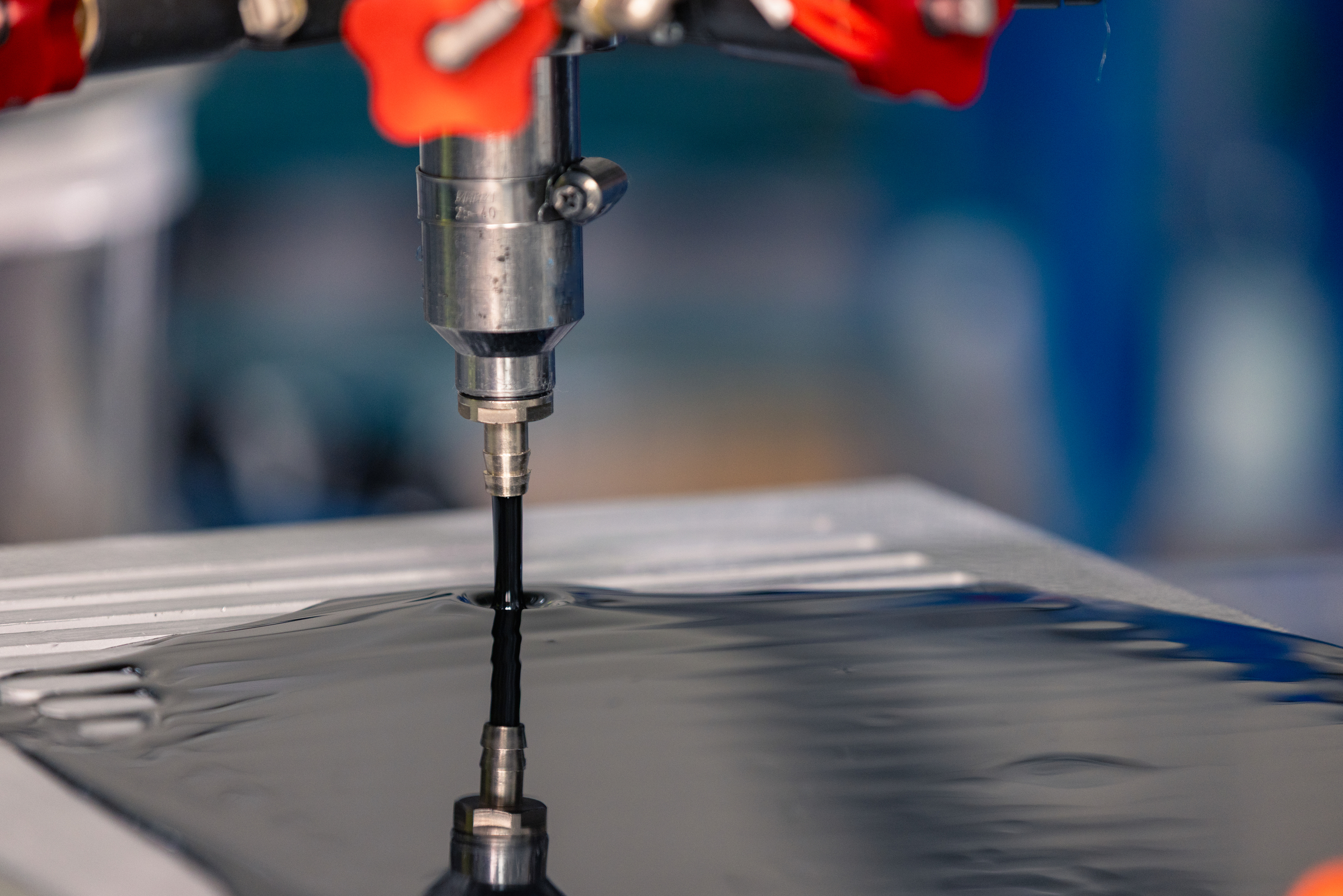
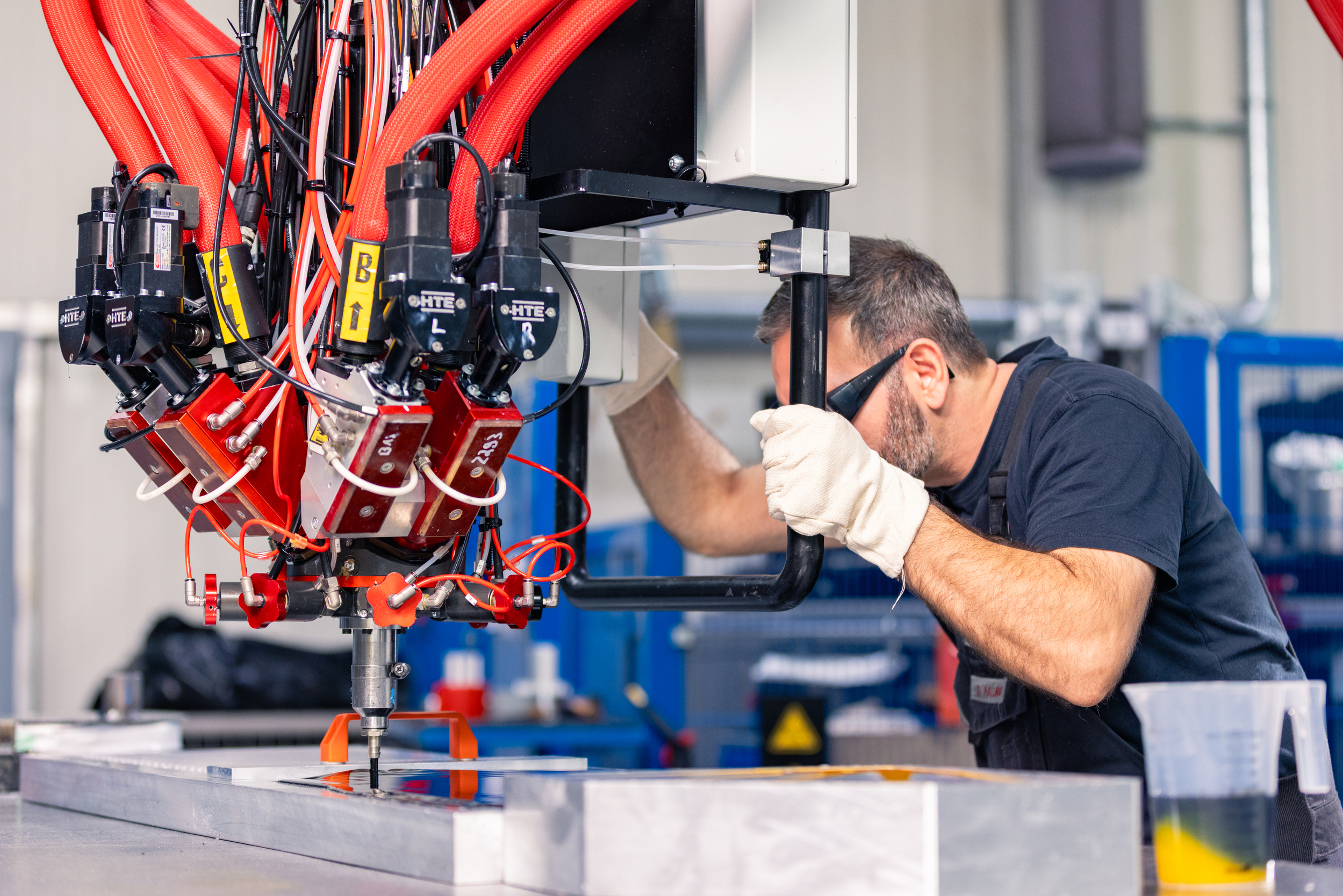
Through the targeted selection and combination of these raw materials, as well as the use of additives, the structure of the material can be precisely controlled, allowing for the creation of both soft, elastic and hard, durable materials. Production is usually carried out by casting or foaming. At INTERNORM, we process polyurethane using hot-casting and cold-casting processes.
Properties of Polyurethane
Polyurethane is characterized by an exceptional combination of mechanical, chemical, and physical properties. These include, in particular, high abrasion and wear resistance, excellent elasticity, high tear strength, and significant resistance to oils, greases, solvents, and weathering. Furthermore, PU offers good damping capabilities and can be used reliably under both dynamic and static loads.
A key advantage of polyurethane is its high adaptability: By precisely varying the formulation, hardness, flexibility, and load-bearing capacity can be tailored exactly to the specific application. This allows PU to replace rubber as well as other plastics or metals in certain areas of use. Polyurethane offers numerous advantages over steel and conventional plastics in "steel-to-plastic" applications. Particularly noteworthy is the significantly lower weight compared to steel, which makes components lighter and more energy-efficient. At the same time, polyurethane enables high design freedom, as complex geometries and multiple functions can be integrated directly into a single component. Furthermore, polyurethane is corrosion-resistant and, unlike steel, requires no additional rust protection. The excellent noise and vibration damping also represents a significant advantage, especially in automotive and mechanical engineering.
Compared to classic plastics such as polypropylene or ABS, polyurethane is characterized by higher abrasion resistance and better mechanical properties . The material combines high strength with elasticity and can be flexibly adjusted depending on the application – from soft and elastic to hard and structurally resilient. In addition, polyurethane offers a good resistance
to oils, greases, and many chemicals. Due to these properties, PU is particularly suitable for demanding technical applications and as a replacement for metal components.

Production and composition of PU
Polyurethane is created through a chemical reaction between polyols (polyhydric alcohols) and isocyanates. This reaction, also known as polyaddition, leads to the formation of urethane bonds, which form the backbone of the material. By carefully selecting raw materials and using catalysts, additives, and fillers, the material structure can be precisely controlled and adapted to specific requirements.
Depending on the application, production is carried out using various processes such as casting or foaming. The reaction components are usually processed in liquid form and only converted into a solid material during or after shaping.
The combination of variable chemical composition and flexible processing methods makes it possible to produce polyurethane in a wide variety of forms and properties – from soft foams to high-strength, wear-resistant elastomers for demanding technical applications.
Areas of application for PU
Agricultural technology
In agricultural technology , polyurethane is primarily used for wear parts such as scrapers, seals, conveyor components, or coatings. Its high abrasion resistance and durability against moisture, dirt, and chemicals ensure a long service life even under demanding operating conditions.
Food industry
PU is used in rollers, conveyor belts, scrapers, and seals within production and packaging plants. Key factors here are its ease of cleaning and resistance to cleaning agents. For applications involving direct or indirect food contact, we also use food-grade polyurethanes.
Construction machinery
In construction machinery , polyurethane is used in high-stress components such as bushings, damping elements, wear plates, and screens. Its high mechanical load-bearing capacity and shock absorption help reduce downtime and extend the service life of components.
Mechanical engineering
In mechanical engineering , polyurethane is used in numerous applications, such as seals, guides, stops, and elastomer parts. The combination of flexibility, dimensional stability, and chemical resistance allows for precise adaptation to individual requirements.
Conveyor technology
In conveyor technology , PU is used for roller coverings, conveyor belts, scrapers, and coatings. Its high wear resistance and excellent adhesion to various surfaces ensure reliable material transport while simultaneously reducing maintenance requirements.
Rollers
Polyurethane is a key material for technical rollers in a wide variety of industries. It offers an excellent combination of elasticity, cut and abrasion resistance, and definable surface properties, which helps make processes more stable and efficient.
Energy technology
In energy technology , polyurethane is used for applications such as seals, insulation elements, and protective coatings. Its resistance to environmental factors, combined with its electrical and thermal properties, makes PU a suitable material for demanding environments.
Polyurethane at a glance
Polyurethane (PU) is a versatile, high-performance material created through the reaction of polyols and isocyanates, with properties that can be precisely tailored. It is characterized by its high wear resistance, elasticity, durability, and resistance to chemical and mechanical influences.
Because of these properties, PU is used in numerous industries, including agricultural technology, food processing, construction machinery, mechanical engineering, conveyor technology, roller applications, and energy technology. Wherever components must withstand extreme loads while functioning with precision, polyurethane offers clear advantages.
This makes polyurethane the first choice for many demanding industrial applications, as it optimally combines longevity, efficiency, and cost-effectiveness.

FAQ
Here you'll find direct answers to frequently asked questions about polyurethane (PU/PUR).
What are the advantages and disadvantages of polyurethane?

Polyurethane (PU) stands out for its high wear resistance, durability, and resistance to oils, greases, chemicals, and weather conditions. At the same time, the material offers great flexibility in design, as hardness, elasticity, and strength can be specifically adapted to different requirements. Compared to steel, PU allows for significant weight reduction, corrosion resistance, and high design freedom for complex component geometries. Furthermore, its excellent damping and noise-reduction properties provide benefits in technically demanding applications. Despite these numerous advantages, there are some limitations. The recyclability of many PU systems is restricted because cross-linked materials cannot simply be remelted. Processing also requires appropriate safety measures due to the isocyanates used. Overall, polyurethane offers an economical and high-performance solution for many industrial applications with high demands for longevity and functionality.
Is polyurethane toxic or hazardous?
In its cured state, polyurethane is considered harmless for most applications. The raw materials (isocyanates) are the primary concern during processing, which is why appropriate protective measures are required.
Which is better: polyurethane or epoxy resin?
That depends on the application: polyurethane is more elastic and impact-resistant, while epoxy resin is harder and more temperature-resistant. For dynamically loaded components, PU is generally the better choice, whereas epoxy resin is better suited for rigid structures.
What is the problem with polyurethane?
Challenges lie in particular in the manufacturing process (handling of isocyanates) as well as in its limited recyclability. Furthermore, its environmental footprint is increasingly being viewed critically.
Can polyurethane be recycled?
Polyurethane has limited recyclability because it is generally a cross-linked plastic. However, there are approaches for chemical recycling as well as repurposing in the form of regranulates or energy recovery.
Is polyurethane the same as plastic?
Polyurethane belongs to the plastics group, but it differs significantly from many standard plastics due to its highly versatile properties. Polyurethane is a high-performance plastic that is particularly abrasion-resistant and durable.