TPU at a glance
Thermoplastic polyurethane (TPU) is a high-performance engineering material. It is ideal for components that require long-term abrasion resistance, durability, and high mechanical load-bearing capacity. Thanks to its excellent damping properties and dimensional stability, TPU is the optimal choice for long-lasting technical applications.
What is thermoplastic polyurethane (TPU)?
TPU belongs to the polyurethane (PU) material group and is classified as a thermoplastic elastomer (TPE-U). It combines the properties of rubber with the processing capabilities of classic thermoplastics. Chemically, it is a segmented block copolymer composed of three main components:
- Diisocyanates
- Polyols (long-chain molecules)
- Chain extenders (e.g., diol compounds)
This results in two distinct molecular regions: soft segments and hard segments. The combination of these segments creates a microphase structure that is responsible for the unique properties of TPU.
TPU: Properties of a high-performance material
TPU is considered a high-performance technical material because it combines several key properties that exceed the capabilities of standard plastics. The most important advantages include:
- High mechanical load-bearing capacity due to exceptional abrasion, tear, and wear resistance
- Elastic behavior combined with excellent dimensional stability
- Resistance to oils, chemicals, and environmental factors
- Wide operating temperature range with good low-temperature flexibility
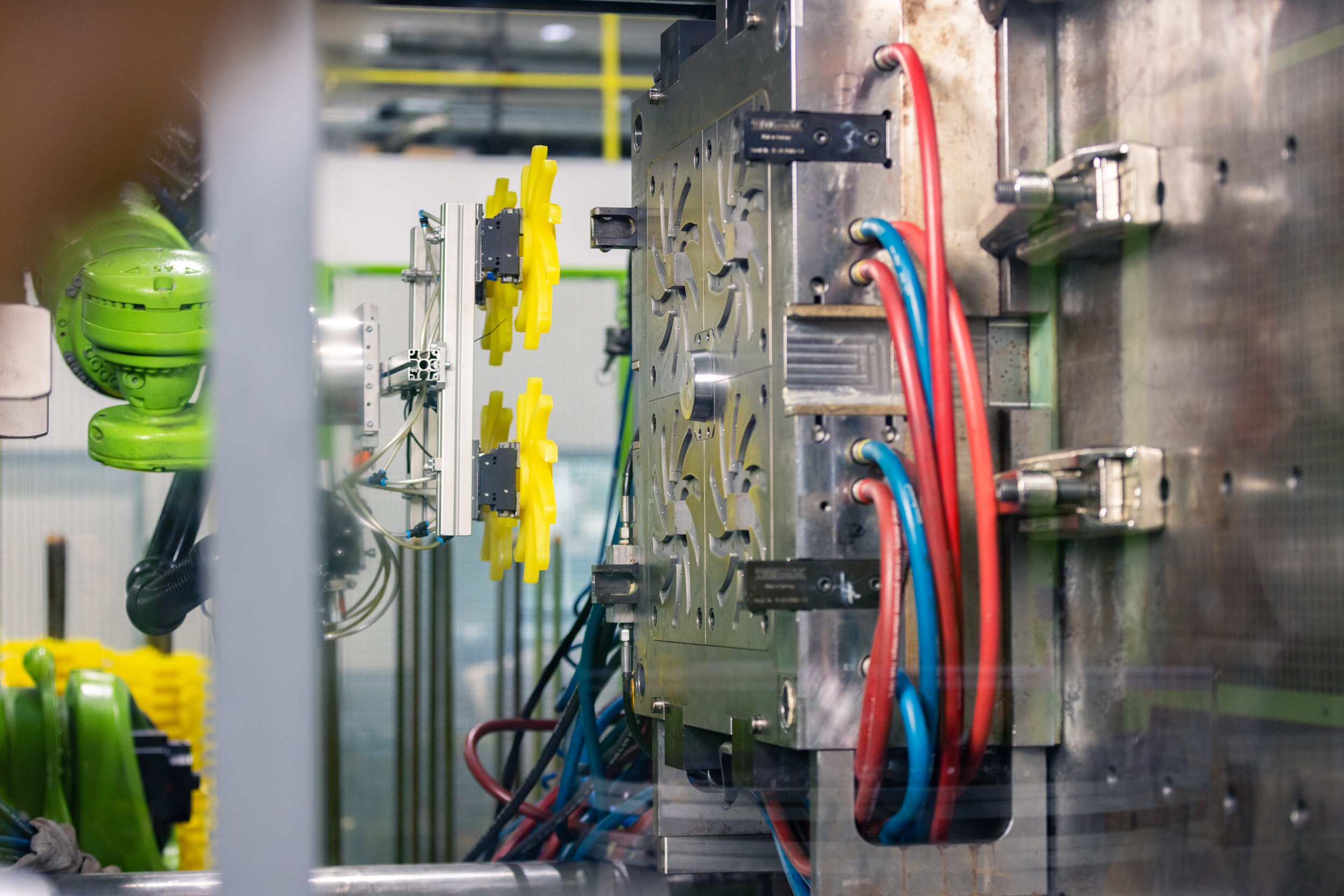
- Thermoplastic processability, e.g., in injection molding processes
This combination makes TPU particularly suitable for demanding applications where durability, flexibility, and reliability are critical.

Critical aspects surrounding TPU
When evaluating TPU, potential challenges should be considered alongside the advantages.
Sustainability and environmental aspects
- TPU is primarily based on petrochemical raw materials.
- Recycling is possible, but often limited.
- Challenges remain regarding material separation and high-quality recycling.
- Developments are increasingly moving toward bio-based TPU variants.
Costs
- TPU is more expensive than many standard plastics (e.g., PE or PP).
- Use is particularly worthwhile for high technical requirements.
Processing sensitivity
- TPU is sensitive to moisture.
- Requires careful material drying before processing.
Manufacturing and regulation
- Raw materials such as isocyanates are under regulatory scrutiny.
- High standards for occupational safety and production.
Properties of TPU
Thermoplastic polyurethane is characterized by a range of outstanding mechanical and chemical properties that make it a preferred material for demanding technical applications. The following core properties are particularly relevant:
High abrasion resistance
TPU possesses exceptionally high resistance to abrasion and wear. Even under intense mechanical stress—such as friction, contact with rough surfaces, or particle exposure—the material remains stable for a long time. This property is crucial for applications like rollers, seals, or protective coatings.
Cut resistance
Another advantage of TPU is its distinct cut resistance. The material withstands damage from sharp edges or mechanical impact significantly better than many other elastomers. This considerably reduces the risk of material failure during use.
High tensile and tear strength
TPU impresses with very good tensile strength and high tear propagation resistance. This means that once a tear has formed, it is difficult for it to spread further. This property contributes significantly to the longevity and reliability of components, especially under dynamic loads.
Permanent elasticity
Despite its high strength, TPU remains permanently elastic. It can be deformed repeatedly and reliably returns to its original shape without showing significant material fatigue. This permanent elasticity makes TPU ideal for applications involving continuous movement or alternating loads.
Chemical resistance
TPU exhibits good resistance to oils, greases, and many chemicals. Furthermore, depending on the specific material type, it also shows high resistance to moisture. Polyether-based TPU is particularly resistant to hydrolysis and moisture. Polyester-based TPU offers even better mechanical strength and abrasion resistance. This chemical robustness allows TPU to be used in demanding environments, such as in industry or mechanical engineering.
Production and composition of thermoplastic polyurethane (TPU)
Thermoplastic polyurethane (TPU) owes its special properties to its specific molecular structure and a controlled industrial manufacturing process.
Molecular structure
TPU is a segmented block copolymer consisting of two functional regions. Soft segments (made from polyols) provide elasticity, flexibility, and good low-temperature performance. Hard segments (made from diisocyanates and chain extenders) provide strength, hardness, and dimensional stability. This combination creates a microphase-separated structure where hard and soft regions partially segregate. The hard segments act as physical cross-linking points, which is why the material is highly durable while remaining elastic.
Industrial manufacturing process
TPU is manufactured in a few key steps:
- Raw material dosing: Diisocyanates, polyols, and chain extenders are precisely balanced.
- Polymerization: A polyaddition reaction creates long polymer chains with urethane bonds. The prepolymer process is frequently used because it allows for precise control over the material's properties.
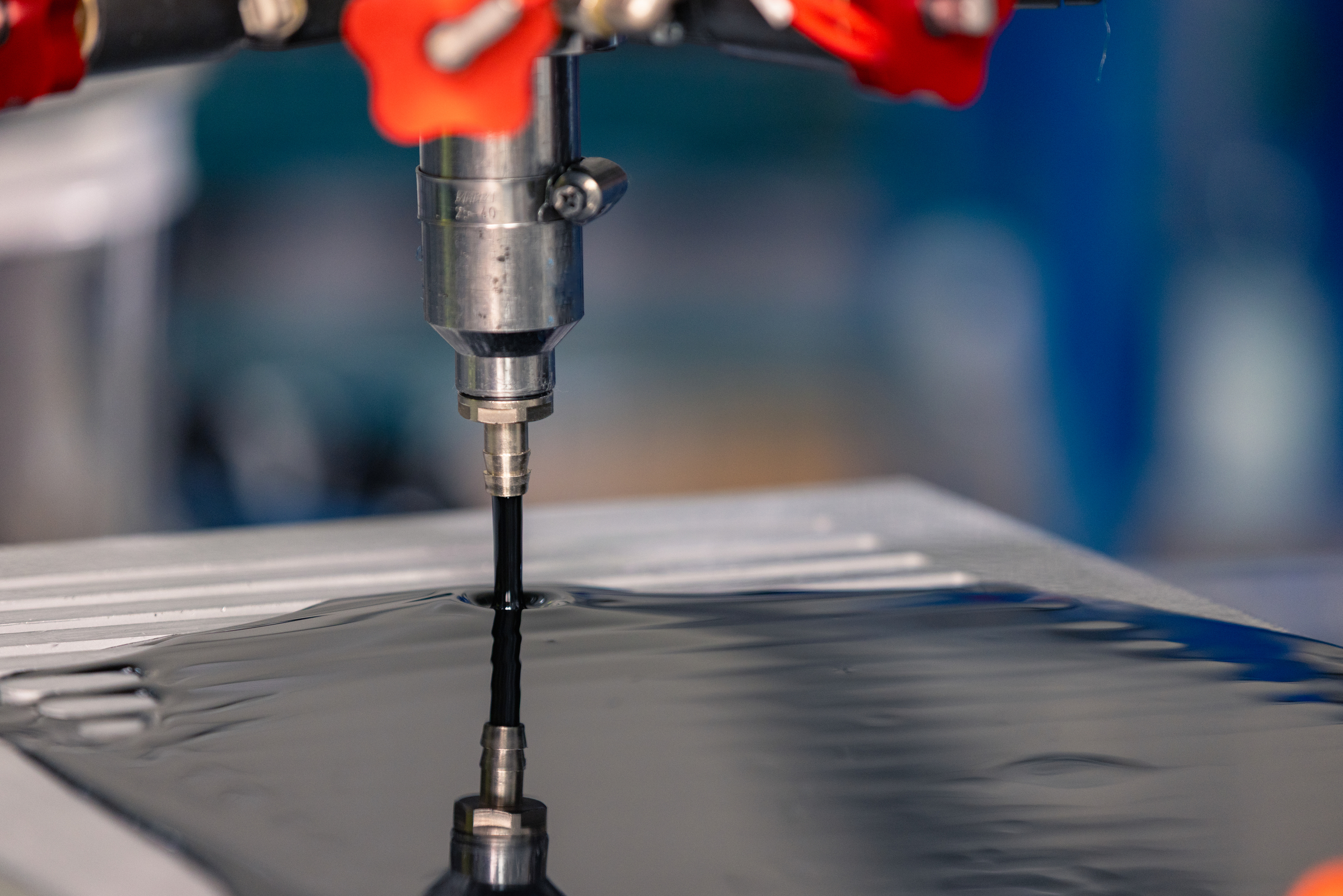
- Melt processing: The resulting TPU melt is homogenized and combined with additives (e.g., stabilizers).
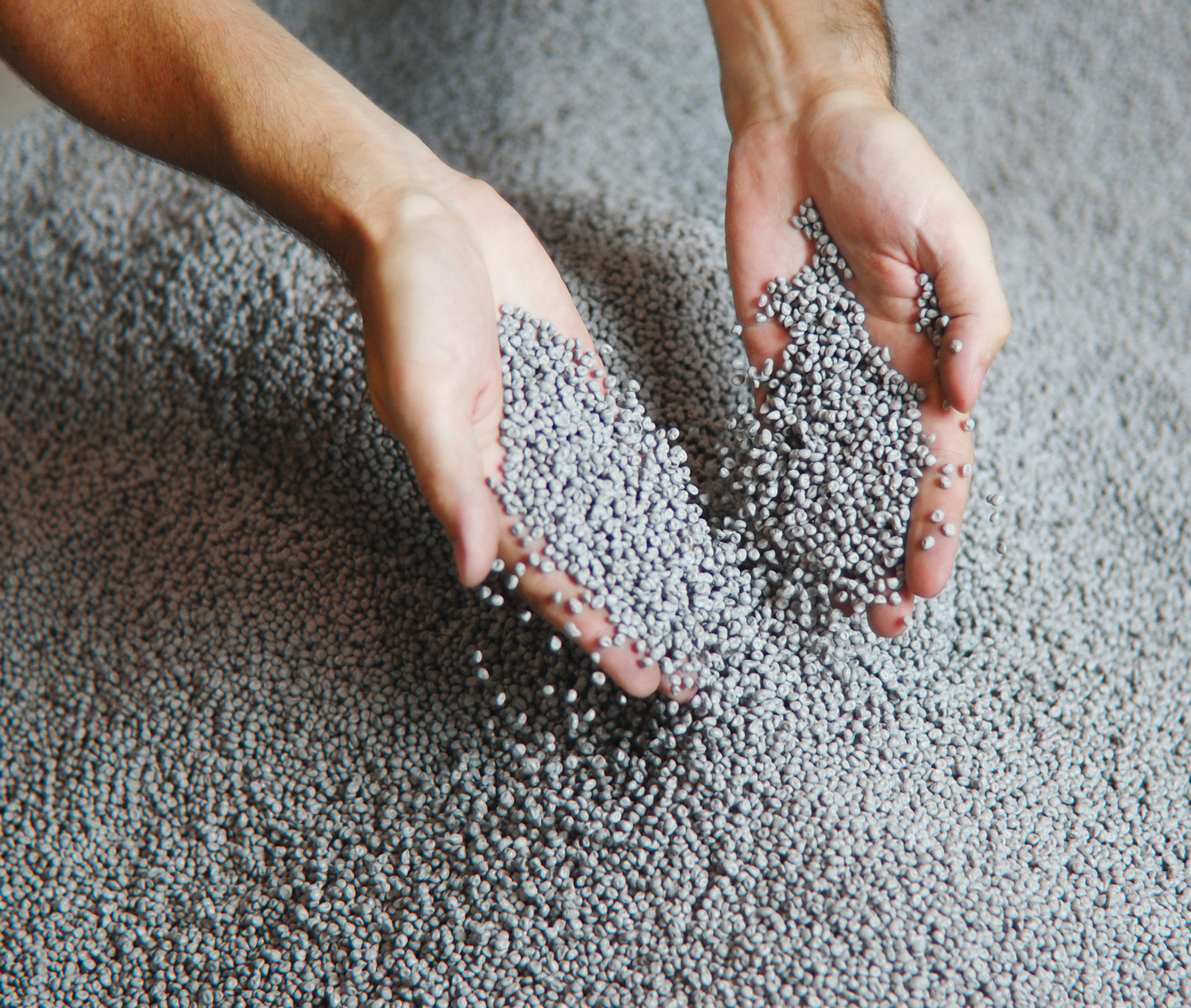
- Granulation: The melt is extruded, cooled, and processed into pellets—the standard form for industrial supply.
The targeted composition of hard and soft segments, combined with a controlled manufacturing process, allows for the flexible adjustment of TPU properties. This enables the material to be precisely tailored to meet various technical requirements.
Applications of TPU
TPU is used in numerous industrial sectors because it is flexible, robust, and easy to process. Examples include:
Mechanical engineering
In mechanical engineering , TPU is primarily used where components are subjected to constant mechanical stress and wear. Typical applications include seals, rollers, and protective coatings. Its high abrasion resistance and durability ensure long service life and reduced maintenance intervals.
Agricultural technology
In agricultural technology , TPU stands out for its robustness in extreme environmental conditions. Components made of TPU are frequently exposed to dirt, moisture, fluctuating temperatures, and mechanical stress from soil, stones, or plant debris. Thanks to its elasticity and durability, TPU remains reliable and long-lasting even under these conditions.
Food industry
TPU is used in the food industry because it:
- is resistant to fats and oils,
- offers excellent cleaning and hygiene properties, and
- can be formulated to be food-safe for specific applications.
Typical areas of application include conveyor belts, scrapers, sorting components, or flexible connecting elements.
Conveyor technology
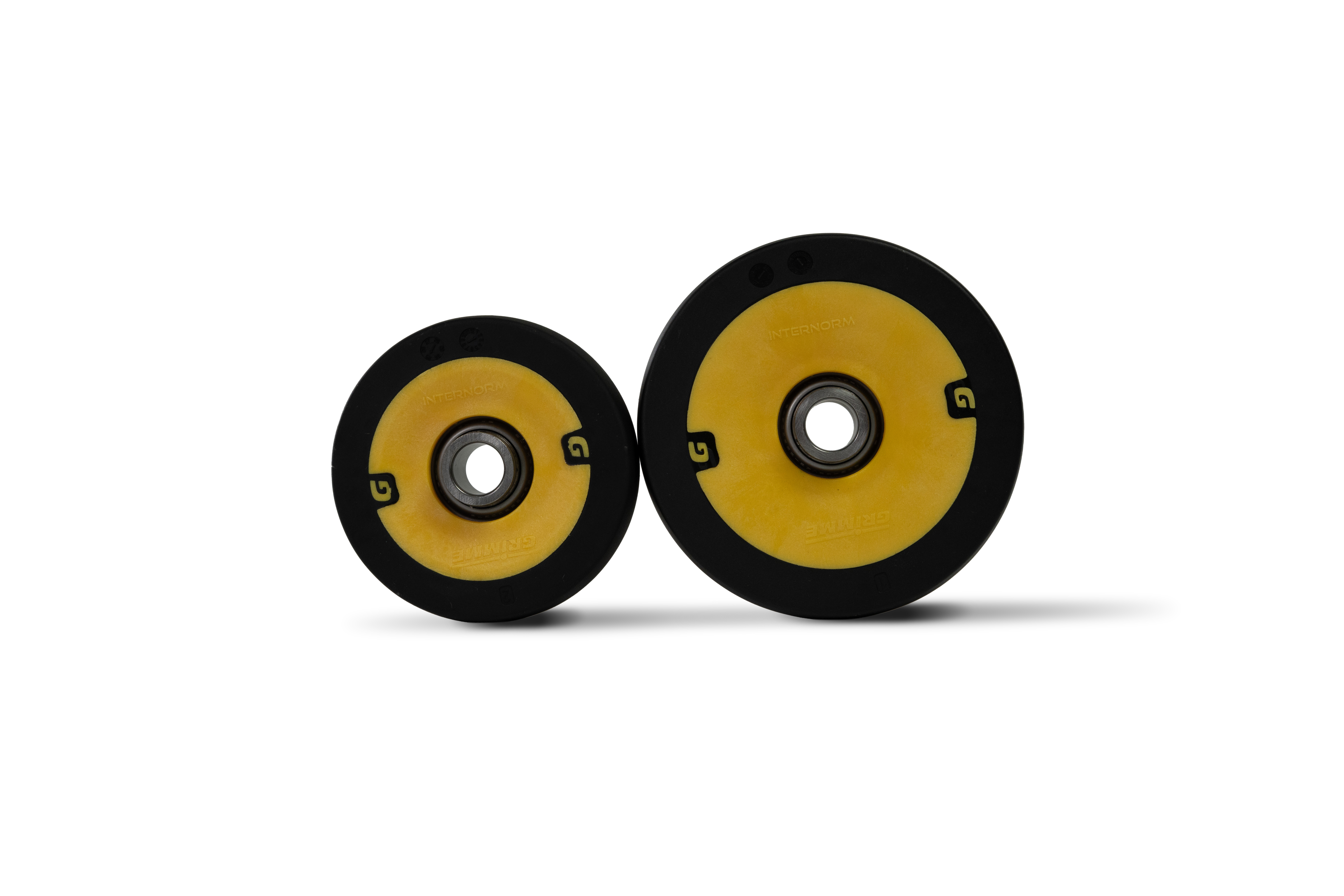
In conveyor technology , TPU demonstrates its strengths particularly in areas involving wear and impact stress. Applications include conveyor belts, roller coatings, and guide elements. The combination of elasticity and abrasion resistance ensures smooth operation, reduced noise levels, and a long service life.
TPU at a glance
Thermoplastic polyurethane (TPU) is a versatile engineering plastic from the polyurethane family, characterized by its segmented molecular structure. This structure combines elastic properties with high mechanical strength, making TPU a true high-performance material. Key features include:
- high resistance to abrasion, tension, and tearing
- permanent elasticity and flexibility
- resistance to oils, greases, and moisture
- thermoplastic processability
Thanks to this combination of properties, TPU is used in numerous industries, including mechanical engineering, agricultural technology, the food industry, and conveyor technology. Wherever components need to be durable, wear-resistant, and flexible, TPU offers clear advantages. Overall, TPU is considered the first choice for demanding industrial applications because it combines high performance, longevity, and adaptability in a single material.

FAQ
Here you'll find direct answers to frequently asked questions about polyurethane (PU/PUR).
What are the advantages and disadvantages of thermoplastic polyurethane?

Thermoplastic polyurethane, or TPU for short, offers numerous advantages. The material features very high abrasion and wear resistance, as well as excellent elasticity and recovery properties. Furthermore, it exhibits high tensile and tear strength and is highly resistant to oils, greases, and chemicals. Another advantage is its thermoplastic processability; TPU can be processed via injection molding, extrusion, or welding, for example. Additionally, the material boasts a long service life, even under high mechanical stress. These advantages are offset by a few disadvantages. Material costs are higher than those of standard plastics. Depending on the type, the material can also be susceptible to hydrolysis, which particularly affects polyester-based TPU. In addition, TPU is sensitive to moisture during processing, which is why pre-drying is required.
Is TPU toxic or a health hazard?
In its finished state, TPU is considered harmless and safe for its intended use, and is even utilized in sensitive areas such as medical technology and consumer goods. It should be noted, however, that isocyanates are used during production and are strictly regulated; in the final product, these substances are chemically bound and no longer reactive. When used and processed correctly, TPU is therefore considered non-hazardous to health.
Is TPU material harmful?
TPU is generally considered a non-hazardous material, especially when compared to many other plastics. It is important to put this into context: there are no known harmful emissions during use, TPU is often free of problematic plasticizers such as phthalates, and food-grade versions are available. Regarding environmental aspects, TPU is usually based on fossil raw materials, and while recycling is possible, it is technically challenging. Overall, TPU is classified as a safe and versatile plastic, provided it is used appropriately.
How can thermoplastic polyurethane be welded?
One advantage of TPU is its thermoplastic weldability. Depending on the application, various methods are used: hot air welding is suitable for films and thin components, high-frequency (HF) welding is frequently used in industrial settings for precise joints, ultrasonic welding is ideal for small, intricate parts, and heating element welding is used for thicker components.
What is the difference between TPU and PU?
The main difference lies in their structure and processability. PU (polyurethane) is the umbrella term for a large group of materials: it can be thermoplastic, elastomeric, or thermosetting. It is often chemically cross-linked, making it non-meltable, and is typically processed via casting. TPU (thermoplastic polyurethane), on the other hand, is a specific subgroup of PU: it is not chemically cross-linked but rather physically structured, meaning it can be melted and reshaped when heated, is recyclable and weldable, and is processed via injection molding. In short, TPU is the thermoplastic, processable version of polyurethane with elastic properties.