
Food-grade plastic: Definition, approvals & materials
Food-grade plastic is used wherever materials come into direct or indirect contact with food. For plastics to be suitable for this purpose, they must meet strict legal requirements, including Regulation (EU) No. 10/2011, Framework Regulation (EC) No. 1935/2004, and, in Germany, the Food and Feed Code (LFGB). For international applications, the FDA guidelines from the US Food and Drug Administration also play an important role.
The most important food-grade plastics include polyethylene (PE), polypropylene (PP), PET, PTFE, polyamide (PA), and polyurethane (PU), which offer different properties depending on the application. While some materials are primarily used for packaging and containers, others are suitable for technically demanding components in machines and production facilities within the food industry.
As a manufacturer of custom plastic components, we at INTERNORM develop food-compliant material solutions. Our food-grade polyurethane is used particularly for rollers, cylinders, scrapers, and other technically stressed components.
What does "food-grade" mean?
A plastic is considered food-grade if it does not release any harmful substances when in contact with food as intended and does not affect the taste, odor, or color of the food. Such materials are used in packaging, containers, conveyor systems, and technical components in the food industry, among other things. It is crucial that their properties are maintained even under the intended operating conditions.
A central term in this context is migration. This refers to the transfer of substances from a plastic into the food. This transfer of substances is subject to legally defined limits to ensure consumer safety. These requirements apply not only to the base material but also to any additives, colorants, and processing aids contained within it.
It is also important to note that "food-safe" is not an independent legal category. What matters is the proven conformity of a material with the applicable regulations for food contact materials. The specific formulation, conditions of use, and the corresponding test and verification documents are the deciding factors.
This is exactly where INTERNORM comes in: By carefully selecting and formulating suitable raw materials, the company develops polyurethane systems for food contact applications, among others. The focus is not just on the material itself, but on the material formulation tailored to specific requirements. Only the interaction of material selection, formulation, and proven conformity enables use as a food-compliant component in the food industry.
Legal foundations & approvals – EU 10/2011, LFGB, FDA
In Europe, plastics for food contact are subject to clearly defined legal requirements. The central regulation is Regulation (EU) No. 10/2011, which specifies which substances may be used for the manufacture of plastic materials and articles intended to come into contact with food. This is based on a "positive list" that includes approved starting substances, additives, and processing aids. This is supplemented by Framework Regulation (EC) No. 1935/2004, which defines general requirements for all materials in contact with food. In Germany, the provisions of the German Food and Feed Code (LFGB) also apply.
A central component of the legal assessment is the migration of substances from the plastic into the food. The EU regulation sets specific limits for this. For example, the overall migration must not exceed 10 mg per dm² of contact surface or 60 mg per kg of food. In addition, individual specific migration limits (SML) apply to certain substances. These requirements ensure that no harmful amounts of substances are transferred to food. Companies exporting products to the USA also follow the guidelines of the US Food and Drug Administration (FDA).
For buyers and design engineers, however, the material designation alone is not the deciding factor. The most important proof in practice is the Declaration of Compliance (DoC) from the manufacturer. It documents that a material or component meets the relevant requirements and is suitable for the intended food contact. At INTERNORM, conformity is considered as early as the material selection and formulation stage in order to provide food-compliant polyurethane solutions for demanding applications.
Requirements for food-safe plastics
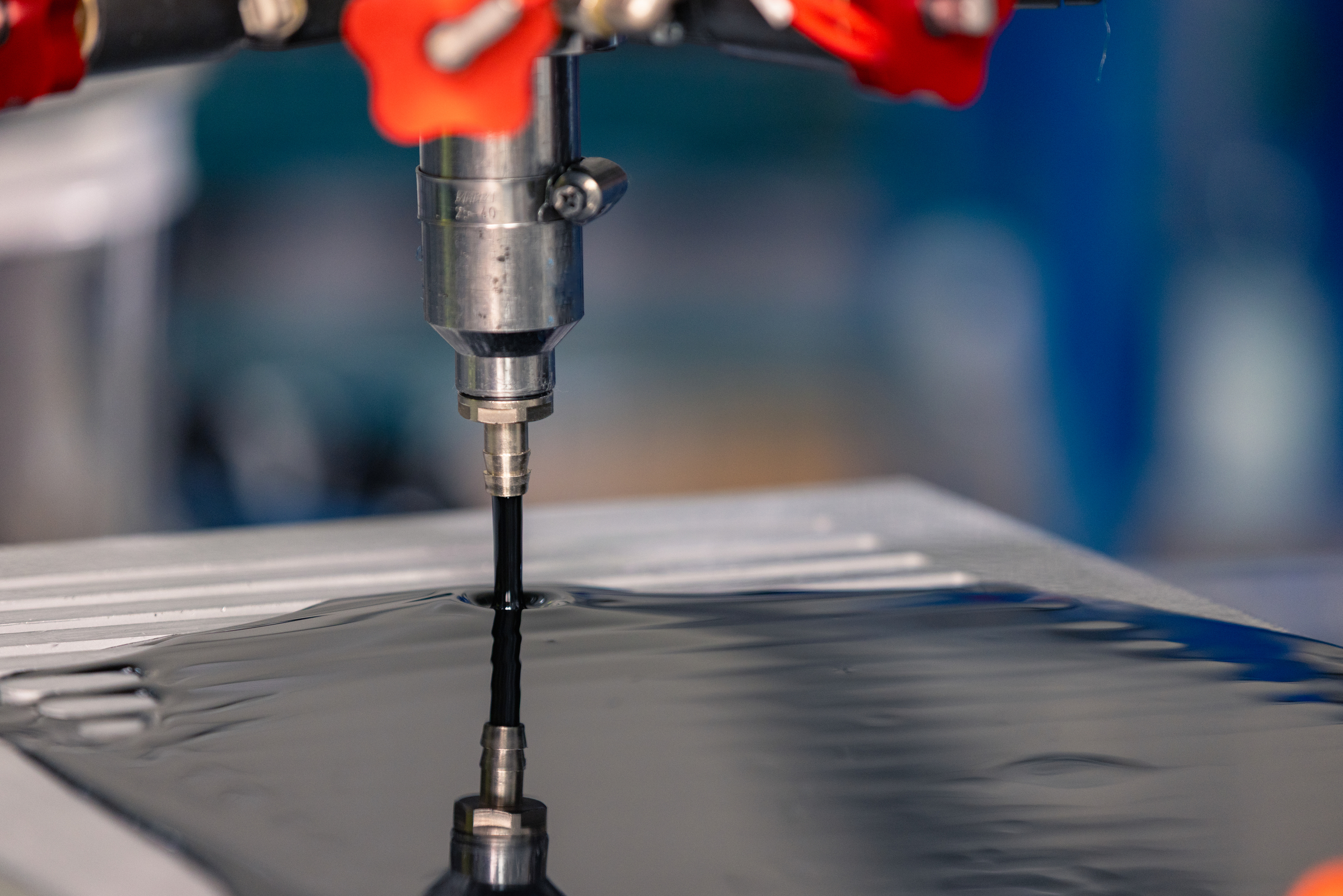
Food-grade plastics must not only meet legal requirements but also withstand the stresses of practical use. In the food industry, temperature resistance, mechanical strength, chemical resistance, and hygiene are particularly critical.
The temperature resistance plays an important role, as plastics must withstand both low temperatures in refrigeration systems and elevated temperatures during cleaning, sterilization, or hot filling. At the same time, sufficient mechanical strength is required. Depending on the application, materials must be impact-resistant, abrasion-resistant, and durable, for example in conveyor systems, dosing systems, or machine components.
Equally important is chemical resistance to fats, oils, acids, as well as cleaning and disinfecting agents. The material must neither be damaged nor affect the quality of the food.
Furthermore, food-grade plastics must meet high hygiene standards . Smooth, non-porous, and easy-to-clean surfaces prevent the adhesion of product residues and microorganisms. In addition, the taste or smell of food must not be affected by the plastic. Which material solution is suitable therefore always depends on the requirements of the specific application.
These requirements are particularly crucial for components in the food industry. Rollers, cylinders, scrapers, and seals must be food-compliant, hygienic, and durable. Learn more about our components for the food industry here.
Which plastics are food-grade? An overview of materials
Various plastics are suitable for food contact. The right material depends on requirements regarding temperature resistance, chemical resistance, mechanical strength, and hygiene. The decisive factor is always the specific material grade and its proven conformity for the intended area of application.
* Actual temperature resistance depends on the specific material grade and application. The manufacturer's specifications and certificates of conformity are always the authoritative source.
Food-grade polyurethane (PU/PUR)
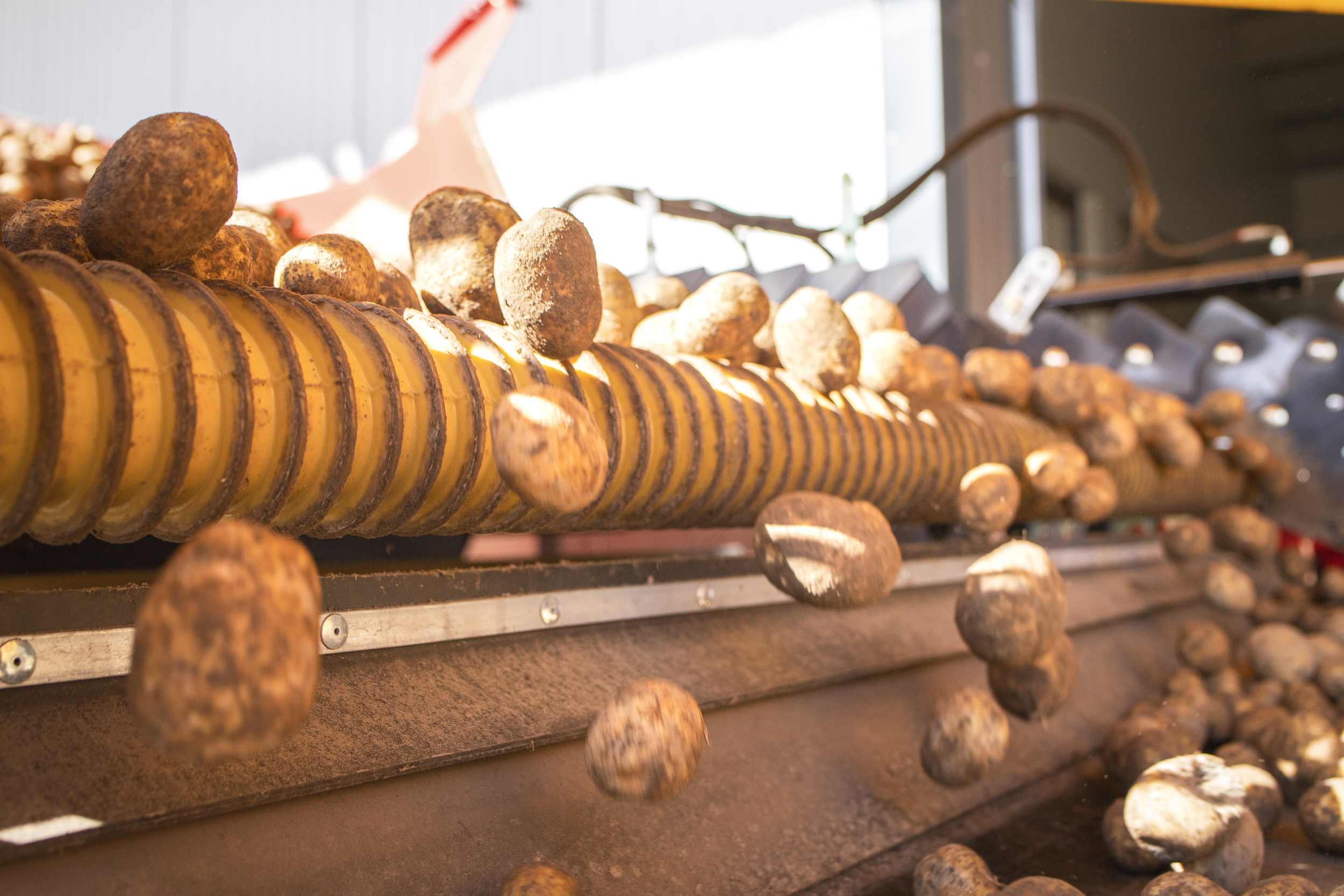
For many technical applications in the food industry, food-grade polyurethane (PU) is a particularly high-performance alternative. The material combines high abrasion resistance, elasticity, and toughness, making it ideal for moving or mechanically stressed components that come into contact with food.
Unlike many rigid sheet and packaging plastics, polyurethane can withstand continuous dynamic loads while offering high wear resistance. This makes food-grade PU particularly attractive for applications where friction, impact, or abrasion are factors. Special EU 10/2011 and FDA-compliant PU systems are available for food contact applications. The decisive factor is not just the material name, but the specific formulation and its proven conformity. By carefully selecting raw materials, low-migration material systems can be developed that meet the requirements of the food industry.
Typical areas of application include conveyor rollers and drums, scrapers, seals, buffers, and other components in food processing machinery. Polyurethane truly excels over other plastics where high mechanical loads are present. Another advantage is its flexibly adjustable Shore hardness. Depending on the application, the material can be designed for anything from soft, elastic scrapers to heavy-duty rollers and drums. You can find out more in our guide to Shore hardness of polyurethane.
As a manufacturer, INTERNORM develops and processes food-compliant polyurethane systems for individual requirements. Using the PU casting process, components can be precisely tailored to the application, load, and geometry, and supplied with the appropriate declaration of conformity if required. Furthermore, small and medium-sized series can be produced economically.
Areas of application in the food industry
Food-grade plastics have become an indispensable part of the modern food industry. They are used wherever materials come into contact with food or where high standards for hygiene, cleaning, and wear resistance are required.
Packaging, storage, and product display: Food-grade plastics are used for containers, trays, films, and sheets to store, transport, and display food hygienically. Typical materials include PE, PP, and PET. Retail bakery displays and trays also benefit from food-compliant plastics that are easy to clean.
Mechanical engineering and food processing: In production facilities, food-grade plastics are used wherever components have direct or indirect contact with food. This includes, for example, guides, bearings, seals, or scrapers. In addition to food-contact compliance, key requirements here include wear resistance, cleanability, and a long service life.
Conveyor technology: Conveyor systems place particularly high demands on the materials used. Rollers, cylinders, conveyor belts, and scrapers are constantly exposed to mechanical stress while simultaneously having to meet hygiene standards. Food-grade polyurethane is frequently used here because it combines high abrasion resistance with elasticity and durability. INTERNORM manufactures custom food-compliant rollers, cylinders, and scrapers for the food industry.
"Food-grade" does not mean dishwasher- or oven-safe
A common misconception is that a food-grade plastic is automatically suitable for the dishwasher, hot food, or use in an oven. In reality, being food-grade simply means that the material does not release harmful substances during intended food contact and does not impair the quality of the food. It does not provide any information regarding temperature resistance.
Whether a plastic can withstand high temperatures depends on the specific material type and its technical properties. While some materials remain dimensionally stable even at elevated temperatures, others may lose their mechanical properties or deform. Therefore, food-grade status and temperature resistance should always be considered separately.
When evaluating a product, it is worth taking a look at the labeling. The well-known glass and fork symbol indicates that the material is generally suitable for food contact. Additional information from the manufacturer, such as maximum operating temperatures or dishwasher safety, provides insight into the permissible conditions of use.
Anyone selecting plastics for food contact should therefore not only look for food-grade certification, but also check whether the material meets the thermal and mechanical requirements of the specific application.
Food-grade plastics at a glance
Food-grade plastics are essential for packaging, storage containers, production equipment, and technical components that come into contact with food. A prerequisite for their use is proven compliance with applicable legal requirements, in particular EU Regulation 10/2011 and the LFGB. Which plastic is suitable depends on the specific operating conditions. While PE, PP, and PET are frequently used for packaging and containers, PA, POM, or PTFE are primarily used in technical applications. For moving parts and components subject to high mechanical stress, food-grade polyurethane offers particular advantages due to its high abrasion resistance, elasticity, and durability.
INTERNORM develops and manufactures custom plastic solutions specifically tailored to the requirements of the food industry. From rollers and cylinders for conveyor technology to scrapers and display trays for baked goods, we create economical and long-lasting components for demanding food-contact applications.

FAQ
Here you will find direct answers to frequently asked questions about food grade plastic.
Which plastics are food-grade?

Food-grade plastics include polyethylene (PE/HDPE), polypropylene (PP), PET/PETG, PTFE, polyamide (PA), and polycarbonate (PC), as well as food-grade polyurethane. The decisive factor is not the type of plastic alone, but the specific grade certified according to EU 10/2011 with a declaration of compliance.
Is PP always food-grade?
No. While polypropylene is generally suitable for food contact, only the specifically certified formulation is compliant. Additives, dyes, or recycled content can disqualify a material from being food-grade – the declaration of compliance is the authoritative document.
Is polyurethane food-grade?
Yes, there are food-grade PU systems that comply with EU 10/2011 and, in some cases, FDA standards. Food-grade polyurethane is exceptionally abrasion-resistant and elastic, making it ideal for conveyor rollers, scrapers, and seals in food processing machinery.
How can I identify food-grade plastic?
Look for the glass-and-fork symbol and, for components, the manufacturer's declaration of conformity in accordance with Regulation (EU) No. 10/2011. The term "food-grade" on its own, without supporting documentation, is not a legally binding claim.