Plastic industrial rollers – direct from the manufacturer
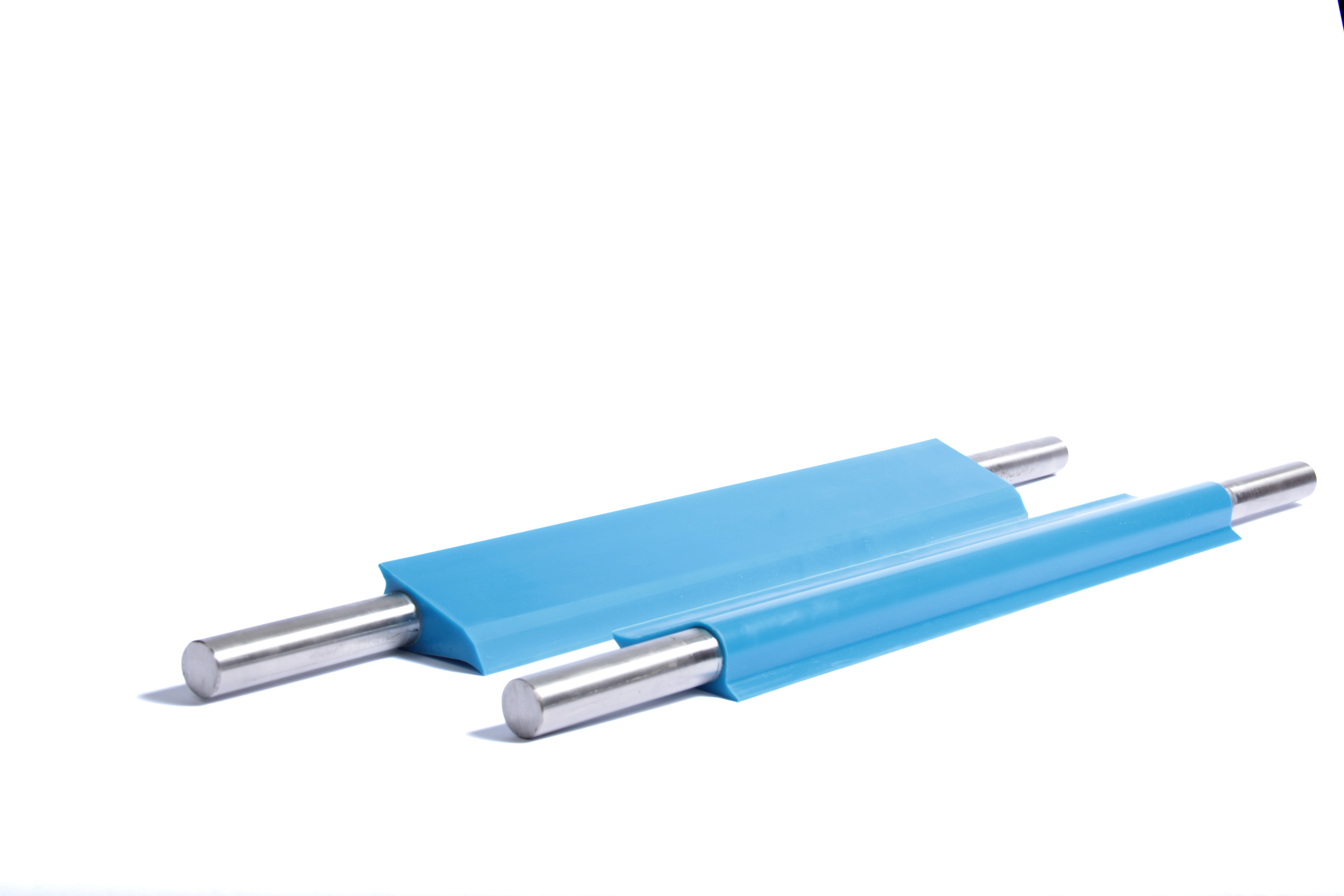
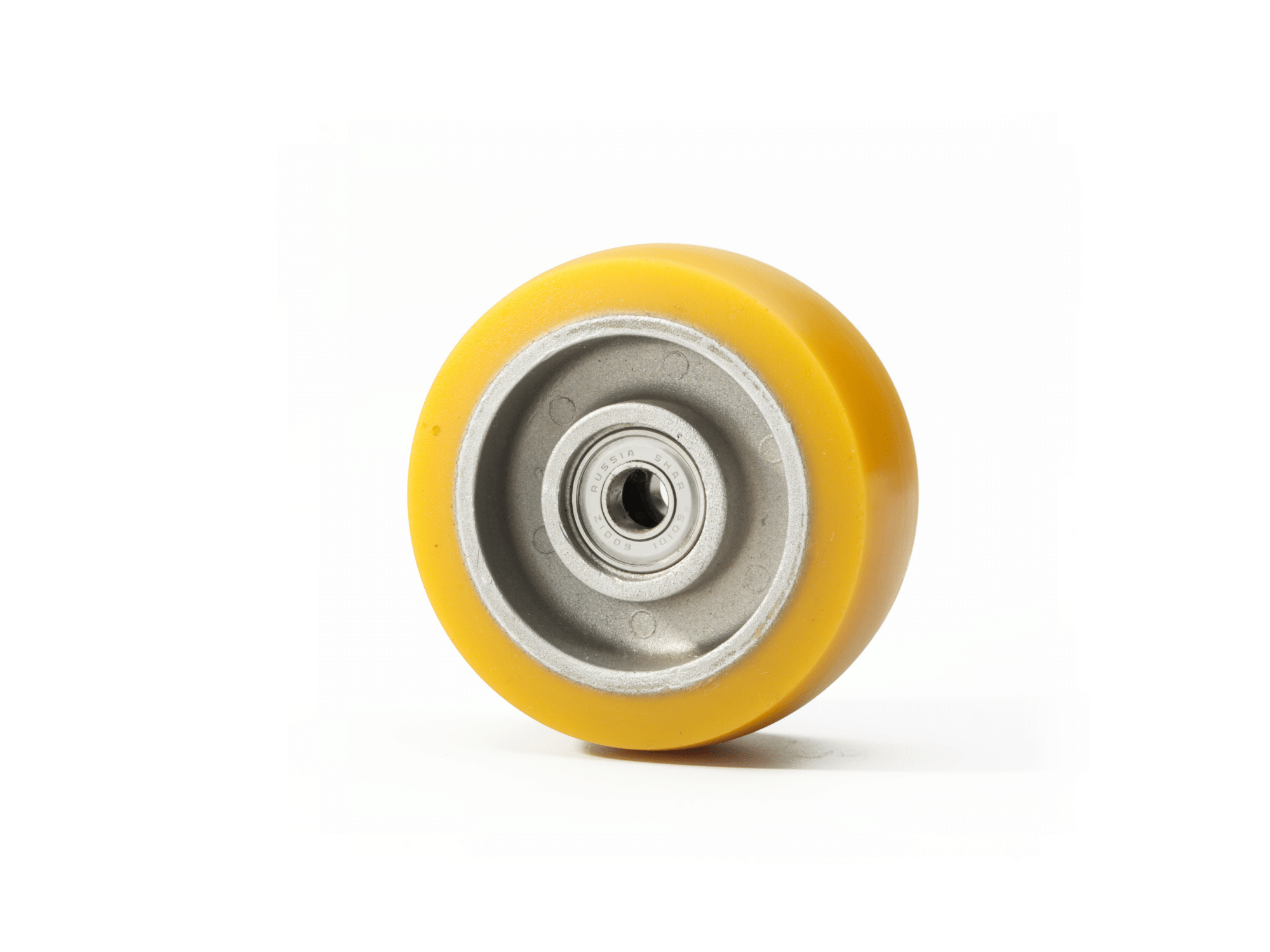
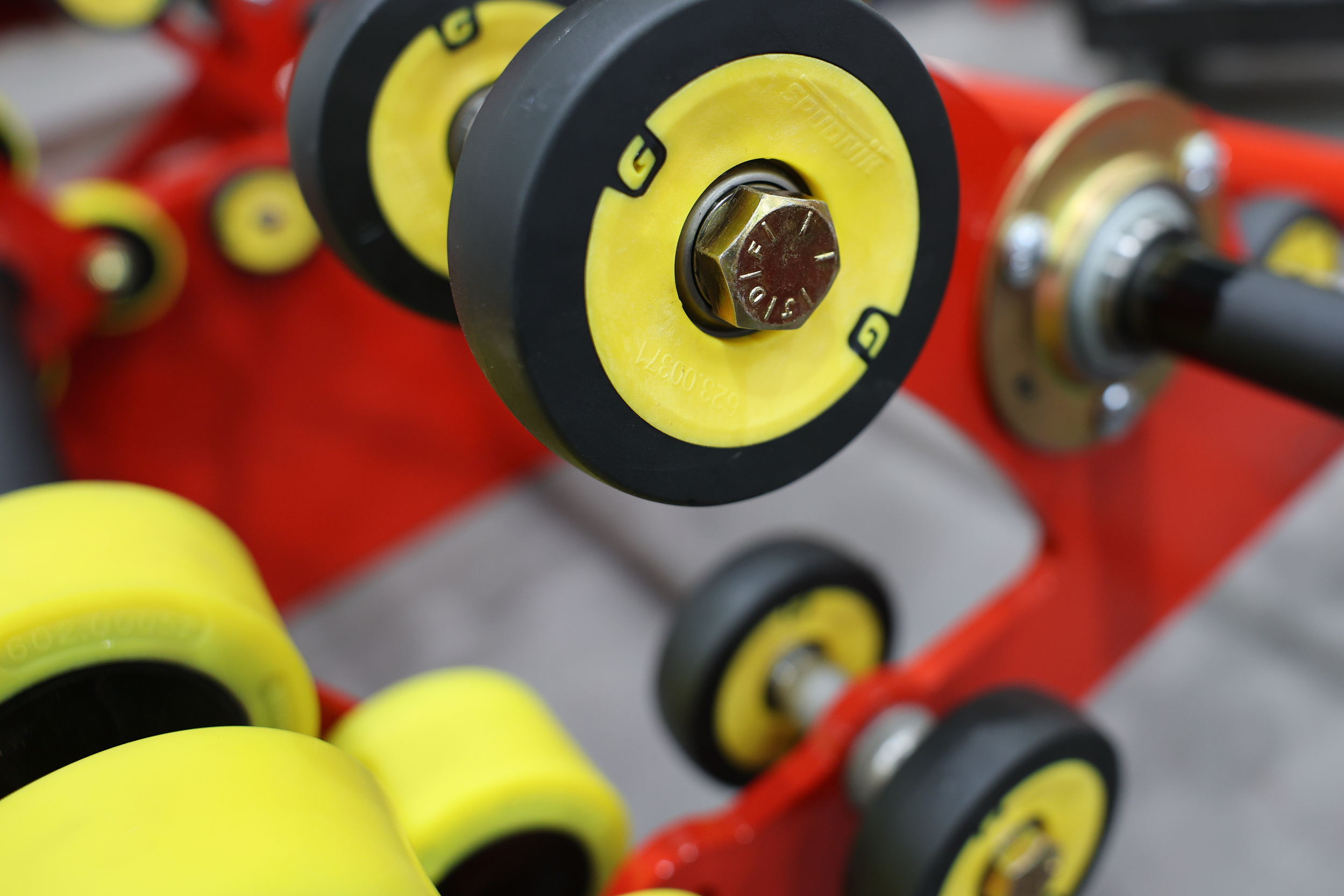
Industrial casters are robust transport and swivel casters used for internal material flow in industry, mechanical engineering, and logistics. INTERNORM manufactures industrial rollers from plastics such as TPU and PU directly in its own injection molding and casting facility. This allows for individual solutions regarding diameter, Shore hardness, tread, and load capacity.
- Remove the current class from the content27_link item as Webflows native current state will automatically be applied.
- To add interactions which automatically expand and collapse sections in the table of contents select the content27_h-trigger element, add an element trigger and select Mouse click (tap)
- For the 1st click select the custom animation Content 28 table of contents [Expand] and for the 2nd click select the custom animation Content 28 table of contents [Collapse].
- In the Trigger Settings, deselect all checkboxes other than Desktop and above. This disables the interaction on tablet and below to prevent bugs when scrolling.
What are industrial casters? Definition & areas of application
Industrial casters are robust wheels used for internal transport and the handling of goods, components, and machine parts. They enable safe, efficient material flow and are used wherever loads need to be guided, moved, transported, or stored. Depending on the application, industrial rollers differ in terms of material, load capacity, running characteristics, and wear resistance.
Load capacity can vary significantly. While smaller rollers are designed for light transport tasks, heavy-duty rollers can support anywhere from several hundred kilograms to several tons, depending on their construction. Key factors here include the load, the operating environment, and requirements regarding wear resistance, smooth running, or floor protection.
At INTERNORM, industrial rollers are manufactured from various materials such as polyamide (PA), polypropylene (PP), TPU, polyurethane (PU), and other engineering plastics. The casting process is ideal for small batches, special geometries, or specific material properties, while larger quantities can be produced economically via injection molding. Unlike standardized catalog solutions, material, dimensions, and mechanical properties can be precisely tailored to the specific application.
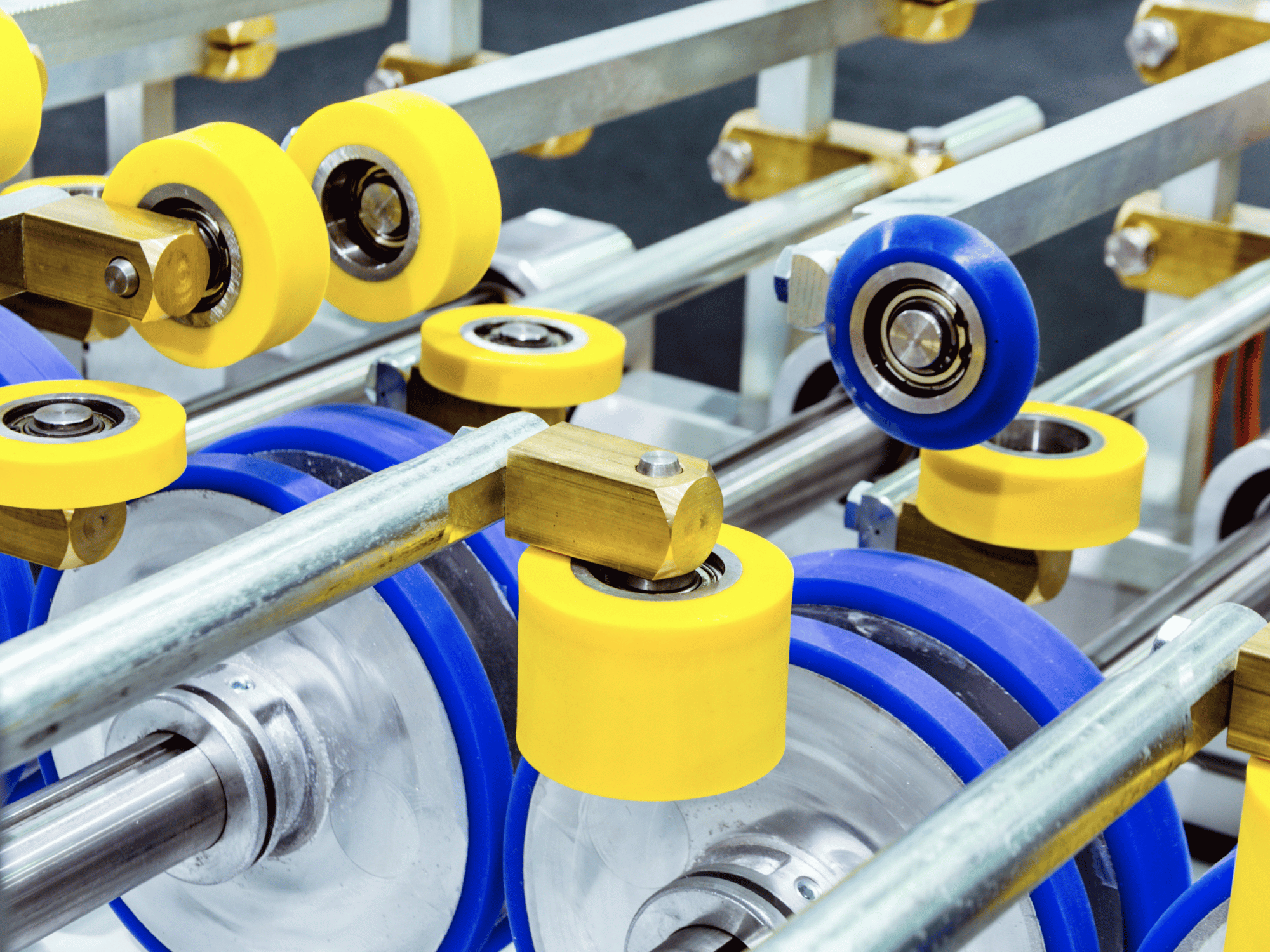
Typical areas of application include mechanical and plant engineering, conveyor technology, intralogistics, and automated production processes. Furthermore, industrial rollers are used in packaging systems, conveyor lines, material flow systems, agricultural machinery, and special-purpose machine construction.
The most important properties of industrial casters
Some of the most frequently used materials include polyamide (PA), polypropylene (PP), and polyoxymethylene (POM). Polyamide is characterized by high strength and load-bearing capacity, making it suitable for applications with demanding mechanical requirements. PP is notable for its low density as well as excellent resistance to chemicals and moisture. POM offers high dimensional stability and outstanding sliding properties, which is why it is frequently used in precision conveyor and guidance systems. Additionally, TPE treads are used when particularly quiet, floor-friendly operation is required.
The primary advantages of plastic industrial rollers are their low weight, corrosion resistance, and high durability against many chemicals. Furthermore, elastic treads made of TPE or TPU allow for significantly quieter rolling behavior than hard metal rollers. Compared to traditional rubber treads, modern technical plastics also offer a longer service life and lower water absorption.
Despite their versatility, plastic rollers do have limitations. Compared to steel rollers, the maximum achievable load capacities are lower, and depending on the material, high or very low temperatures can affect material properties. The optimal solution therefore always results from the interaction of load, environmental influences, and duration of use. This honest assessment of materials is crucial for long-term reliable design.
INTERNORM’s strength lies in developing individual roller solutions for industrial applications. Instead of relying on standardized catalog products, we analyze requirements regarding load, speed, surface, environmental conditions, and service life. This results in custom-made rollers, tires, and treads with perfectly matched material and performance characteristics.
Polyurethane (PU) industrial casters
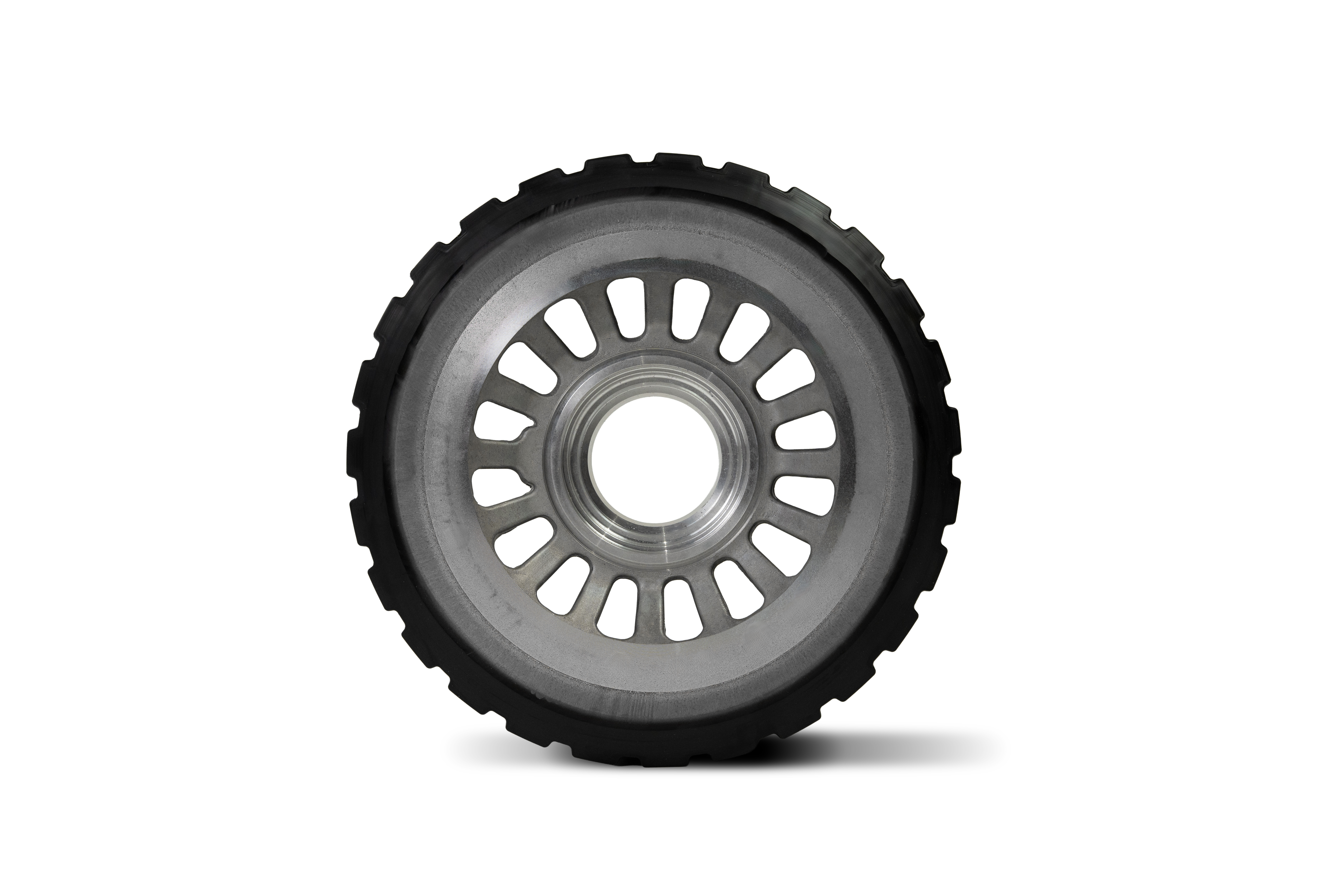
Polyurethane (PU) industrial casters combine high load capacity, wear resistance, and excellent running properties in a single material. Compared to traditional rubber treads, PU rollers offer significantly higher abrasion resistance, a long service life, and high load-bearing capacity while remaining floor-friendly.
A decisive advantage of polyurethane is its combination of elasticity and mechanical strength. The material absorbs shocks and vibrations, reduces operating noise, and simultaneously ensures low wear on the tread. This makes PU rollers suitable for both dynamic conveyor applications and robust heavy-duty rollers. Depending on the formulation, polyurethane treads can achieve significantly better abrasion values than comparable rubber solutions, which has a positive impact on service life and maintenance intervals.
The PUR casting process allows for the flexible realization of various geometries, diameters, and coating thicknesses. Furthermore, custom designs, small batches, and the re-treading of existing roller cores are possible. Especially for existing systems, re-treading can be an economical alternative to replacing entire components.
Choosing the right Shore hardness – from floor-friendly to heavy-duty
A key advantage of polyurethane is the wide range of possible Shore hardnesses. Depending on the application, polyurethane can be adjusted from very soft to highly resilient. Low Shore values offer high elasticity and are particularly suitable for sensitive surfaces or applications with increased requirements for noise and vibration damping. Higher Shore hardnesses, on the other hand, ensure maximum load capacity, minimal deformation, and low rolling resistance under load.
Choosing the right Shore hardness depends on several factors, including load, speed, surface conditions, and duration of use. While low operating noise is often the priority for conveyor systems, high dimensional stability and load-bearing capacity are critical for heavy-duty casters.
Learn more about selecting the right hardness in our guide, “The right Shore hardness for your application”.
Overview of roller types – swivel, fixed, transport, and heavy-duty casters
Industrial casters are available in various designs, each developed for specific requirements and areas of application. Choosing the right type affects the maneuverability, load capacity, and efficiency of a system.
*The actual load capacity depends on the material, design, and operating conditions.
At INTERNORM, however, it is not just the type of caster that matters. The requirements of the specific application are what count. That is why the material, tread, geometry, and load capacity are individually tailored to each use case to create a durable and cost-effective solution.
Selecting the right industrial roller
Choosing the right industrial caster depends on several factors. In addition to load capacity, the tread, the surface, and the environmental conditions play a decisive role. Taking these criteria into account early on increases the service life of the caster and reduces both wear and maintenance requirements.
1. Calculating load capacity correctly
Load capacity is the most important selection criterion. As a rule of thumb: Total load ÷ number of load-bearing wheels + safety factor
Example: If a system including its load weighs 1,200 kg and is moved on four wheels, the calculated load is 300 kg per wheel. Since loads are rarely distributed evenly in practice, a safety margin of at least 25 to 30% should be factored in. In this case, a wheel with a load capacity of at least 390 kg would be recommended.
2. Choose the right tread for the floor surface
The tread significantly affects rolling comfort, floor impact, and wear. On sensitive floors such as screed or tiles, elastic materials like TPU or PU are often the better choice, as they are floor-friendly and quiet. For rough or heavy-duty surfaces, harder materials may offer advantages.
3. Consider wheel diameter
Generally, the larger the wheel diameter, the lower the rolling resistance. Larger wheels overcome uneven surfaces more easily and ensure a smoother ride. At the same time, they can reduce the stress on bearings and the tread.
4. Take environmental conditions into account
Temperatures, humidity, chemicals, or specific requirements for electrical conductivity significantly influence the choice of material. In sensitive areas, for example, antistatic or electrically conductive materials and PU coatings may be required to safely dissipate electrostatic charges. This is particularly important in automated production facilities, electronics manufacturing, or when handling sensitive components.
Material comparison: Plastic vs. Polyurethane vs. Rubber vs. Steel
Choosing the right material has a decisive impact on the load capacity, wear resistance, rolling comfort, and cost-effectiveness of an industrial caster. There is no single material that is optimal for every application. Instead, the material, tread, and operating conditions should be carefully matched. While classic rubber wheels excel primarily due to their cushioning, technical plastics and polyurethane score points with high wear resistance and a long service life. Steel wheels, on the other hand, are used primarily for extreme loads.
Industrial casters direct from the manufacturer, not from a catalog
Many suppliers offer industrial rollers as standard catalog products. However, standard solutions are often insufficient for industrial applications. Loads, environmental conditions, speeds, or space constraints frequently place unique demands on material, geometry, and running performance.
That is why we focus on the application rather than the product. Our engineers work closely with customers to analyze technical requirements and develop a tailored solution. Instead of just a shopping cart, companies receive technical consultation that equally considers material selection, load capacity, wear resistance, and economic factors. Thanks to development and production in Germany, our customers benefit from short supply chains, high flexibility, and comprehensive support from a single source – Made in Germany.
By combining PU casting technology and injection molding, both small batches and larger quantities can be produced economically. Possibilities include:
- custom rollers and treads
- special shapes and unique geometries
- customer-specific Shore hardnesses
- antistatic and electrically conductive versions for ESD-sensitive applications
- small batches and prototypes
- series production starting from 1,000 units via injection molding
- re-treading and coating of existing roller cores
Industrial rollers at a glance
Industrial casters made of plastic offer the ideal combination of low weight, corrosion resistance, high wear resistance, and reliable load capacity for many industrial applications. However, the key to a long service life and optimal performance is not just the material, but also factors such as the tread, Shore hardness, load, surface, and environmental conditions.
While standard catalog rollers often only cover a portion of the requirements, individually developed solutions allow for precise alignment with the specific application. This is exactly where INTERNORM comes in: from material selection and design to production using our own casting or injection molding processes, we create roller solutions that are optimally tuned to the requirements of mechanical engineering, conveyor technology, intralogistics, and industrial production processes.
If you need an industrial caster that is precisely engineered for your application in terms of load capacity, wear resistance, and running performance, we are happy to support you in developing the perfect solution.
FAQ
Here you'll find direct answers to frequently asked questions about our conveyor rollers.
What are industrial casters?

Industrial casters are heavy-duty fixed and swivel casters used for internal material handling. They support heavy loads in mechanical engineering, agricultural technology, and intralogistics. Depending on the requirements, they are made of plastic, polyurethane, rubber, or steel, with various tread materials and diameters.
Which material is best for industrial casters?
There is no single best material for industrial casters; there is only the best solution for each specific application. The choice depends on factors such as load capacity, floor surface, speed, wear requirements, and environmental conditions.
What is the difference between polyurethane industrial casters and rubber casters?
Polyurethane treads are significantly more wear-resistant and have a higher load capacity than rubber; they are non-marking and can be cast in Shore hardnesses ranging from soft to hard. This makes PU casters more durable and suitable for heavier loads.
How do I calculate the load capacity of industrial casters?
Divide the total load (dead weight + maximum payload) by the number of load-bearing casters and add a safety margin of approximately 30% to account for factors like uneven floors or uneven load distribution.
Can industrial casters be custom-made?
Yes. We develop and manufacture custom industrial casters. Material, dimensions, hardness, and tread are precisely tailored to your specific application. Depending on the quantity, production is carried out using casting or injection molding processes.