Plastic conveyor rollers
Conveyor rollers are central components of modern conveyor technology, ensuring the reliable transport of unit loads and bulk materials on roller conveyors, conveyor lines, and automated systems. Also known as idler rollers or conveyor rollers, they are available in various designs – from gravity rollers to powered versions.
- Remove the current class from the content27_link item as Webflows native current state will automatically be applied.
- To add interactions which automatically expand and collapse sections in the table of contents select the content27_h-trigger element, add an element trigger and select Mouse click (tap)
- For the 1st click select the custom animation Content 28 table of contents [Expand] and for the 2nd click select the custom animation Content 28 table of contents [Collapse].
- In the Trigger Settings, deselect all checkboxes other than Desktop and above. This disables the interaction on tablet and below to prevent bugs when scrolling.
What are conveyor rollers? Definition, design & purpose
Conveyor rollers are rotatably mounted rollers used in roller conveyors and conveyor systems to efficiently transport unit loads or bulk materials. In conveyor technology, they are among the most important components for a smooth material flow. Depending on the application, conveyor rollers are also referred to as idler rollers or conveyor belt rollers .
The basic design of a conveyor roller is simple yet functional. It generally consists of a roller shell or tube, an axle, and high-quality ball bearings that ensure smooth operation. Depending on the application, additional components such as polyurethane coatings, sprockets for the drive, or special bearings can be integrated.
The purpose of conveyor rollers is to move products safely, efficiently, and in a controlled manner. They reduce frictional resistance, facilitate the transport of heavy loads, and support automated processes in modern conveyor systems. Typical areas of application include:
- Intralogistics and warehouse technology
- Packaging and shipping systems
- Picking and sorting systems
- Production and assembly lines
- Gravity conveyors and roller tracks
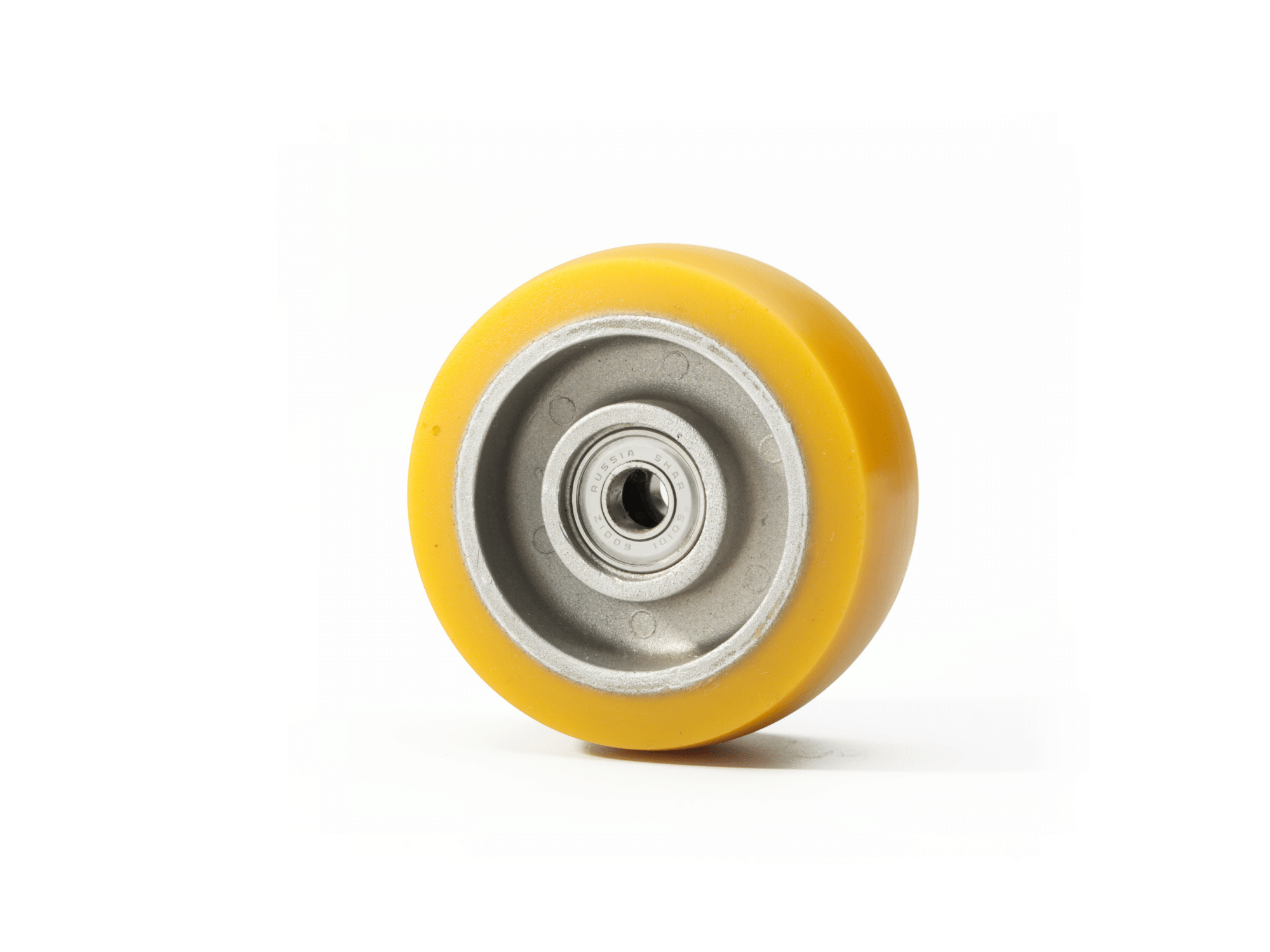
Different roller types and materials are used depending on the requirements. Plastic conveyor rollers are particularly impressive due to their low weight and corrosion resistance, while PU-coated rollers offer additional benefits such as high wear resistance, noise reduction, and gentle product handling. This allows conveyor systems to be optimally tailored to specific operating conditions.
.png)
Powered vs. non-powered conveyor rollers
When selecting conveyor rollers , the question often arises as to whether a powered or non-powered solution is the better choice. The decision depends primarily on the goods being conveyed, the layout of the route, and the desired level of automation for the conveyor technology.
Non-powered conveyor rollers, also known as idler or gravity rollers, move goods without their own drive system. Transport occurs either manually or via a slight incline that utilizes gravity. This solution is particularly economical, energy-efficient, and low-maintenance. Gravity conveyors are frequently used in warehouse areas, picking zones, and shipping and packaging systems where products are moved over short distances.
Powered conveyor rollers , on the other hand, feature a drive system and enable controlled, continuous transport even on level paths. Depending on the application, power transmission is achieved via motorized rollers, sprockets, round belts, or poly-V drives, for example. This allows for defined conveying speeds, precise timing, and automated material flows. Powered rollers are primarily used in modern conveyor systems, sorting systems, and highly automated intralogistics processes.
Plastic conveyor rollers – lightweight, quiet & corrosion-free
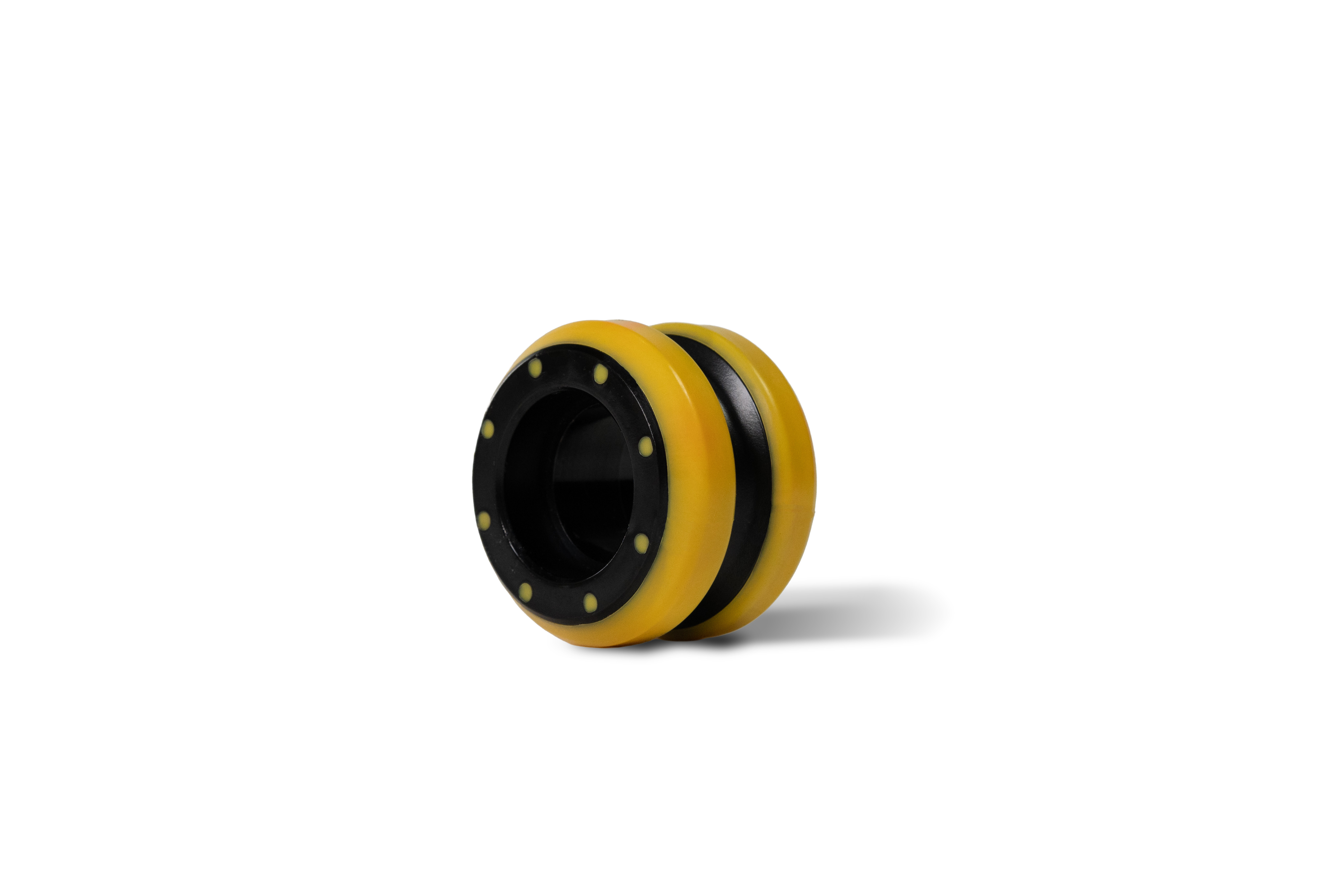
Plastic conveyor rollers are a high-performance alternative to traditional steel rollers and are used today in numerous areas of conveyor technology. Due to their material properties, they offer advantages wherever low weight, corrosion resistance, and quiet operation are required.
Different plastics are used depending on the requirements. The most common materials include PA (polyamide), PP (polypropylene), POM (polyoxymethylene), and PVC (polyvinyl chloride). While PA is impressive due to its high strength and good wear characteristics, POM is distinguished by its excellent sliding and running properties. PP is particularly lightweight and resistant to chemicals, while PVC is frequently used for special applications with increased requirements for durability and surface quality.
The primary advantage of plastic conveyor rollers is their low dead weight. This reduces the moving mass, which can contribute to energy-efficient operation, especially at high conveyor speeds. At the same time, plastic rollers run significantly quieter than comparable steel rollers. Further benefits include their immunity to corrosion, good resistance to many chemicals, and the ability to produce food-grade versions for the food and packaging industries. Especially in automated conveyor systems with high cycle rates, plastic conveyor rollers can reduce the load on drives, bearings, and conveyor equipment thanks to their low weight and good damping properties.
INTERNORM develops and manufactures custom plastic and PU conveyor rollers according to customer requirements. All parameters such as diameter, roller width, material, surface finish, ball bearings, and interfaces are designed specifically for the customer. The result is individually developed plastic and PU rollers that are optimally matched to the requirements of the respective conveyor technology and enable maximum performance in operation.
PU-coated or rubberized conveyor rollers?
PU-coated or rubberized conveyor rollers are used wherever pure plastic or steel rollers reach their limits. The additional coating improves grip on the conveyed goods, reduces operating noise, and protects both the roller and sensitive products from damage. Coated conveyor belt rollers are a proven solution, particularly in the packaging industry, intralogistics, conveyor technology, and automation technology. Typical applications include:
- high requirements for product protection
- noise reduction in conveyor systems
- additional wear protection for the roller surface
- controlled transport for drive rollers
While traditional rubberized conveyor rollers have been used for many years, polyurethane (PU) offers clear advantages in numerous applications. PU is characterized by very high abrasion resistance, good load-bearing capacity, and a long service life. Especially in abrasive applications, polyurethane (PU) achieves significantly higher wear resistance than many classic rubber compounds. This can lead to significant improvements in service life in demanding areas of application.
Another advantage of PU is the ability to customize the material. Depending on the application, coatings with Shore hardnesses from 10 to 95 Shore A can be realized. Softer grades provide maximum damping and grip, while harder PU formulations can handle higher loads and offer a particularly wear-resistant surface. The optimal hardness depends on factors such as the conveyed goods, speed, load, and environmental conditions. You can find out more about this in our Shore Hardness Guide.
Overview of Roller Types & Series – Conveyor Rollers, Mini Rollers, Sprockets
Conveyor rollers are available in numerous designs to meet various requirements in conveyor technology. Selecting the right roller type depends on factors such as the conveyed goods, load, conveyor path, and drive concept. In addition to classic gravity rollers, modern conveyor systems also utilize mini rollers, powered conveyor rollers with sprockets or Poly-V drives, and PU-coated rollers. Proper design of diameter, load capacity, and ball bearings is crucial for long service life and reliable operation.
Gravity rollers are suitable for simple and cost-effective conveyor lines where goods are moved manually or roll along a slight incline. Mini rollers are primarily used in compact roller conveyors and for transporting smaller products.
For automated processes, conveyor rollers with sprockets or Poly-V drives are frequently used. They enable controlled material flow and are particularly well-suited for clocked conveyor systems with defined speeds.
PU-coated conveyor rollers offer additional benefits in terms of grip, noise reduction, product protection, and wear resistance. By customizing the material, geometry, and ball bearing configuration, roller solutions can be precisely tailored to the requirements of each specific application. Especially for custom conveyor systems, application-specific development is often more practical than using standardized catalog products.
Choosing the right conveyor roller
Selecting the right conveyor roller significantly impacts the performance, service life, and cost-efficiency of a conveyor system. Several technical criteria should be considered to ensure the roller is optimally matched to the specific requirements.
1. Determine the conveyed goods and load capacity
First, it is important to clarify what products are being transported and the load that will be placed on each individual roller. In addition to the total weight, factors such as the dimensions of the conveyed goods, the contact surface, and the conveying speed play a key role. The higher the load, the more robust the roller tube, axle, and bearing must be.
2. Select the tube diameter and axle mounting
The required tube diameter is directly related to the load and the span between the mounting points. At the same time, the appropriate axle mounting must be selected. Spring-loaded axles are often used for quick installation, while internal thread axles are preferred for permanent, heavy-duty bolted connections.
3. Choose the right bearing
The bearing has a decisive influence on smooth operation, maintenance requirements, and service life. Ball bearings allow for particularly smooth running and are suitable for high throughput and automated systems. Plain bearings, on the other hand, are cost-effective and sufficient for simple applications with lower loads and speeds.
4. Consider environmental conditions
The operating environment also plays an important role. Humidity, cleaning processes, chemicals, or temperature fluctuations can influence the choice of material. In hygienically sensitive areas, food-grade plastics or stainless steel components are frequently used.
Conveyor rollers from the manufacturer instead of a standard catalog
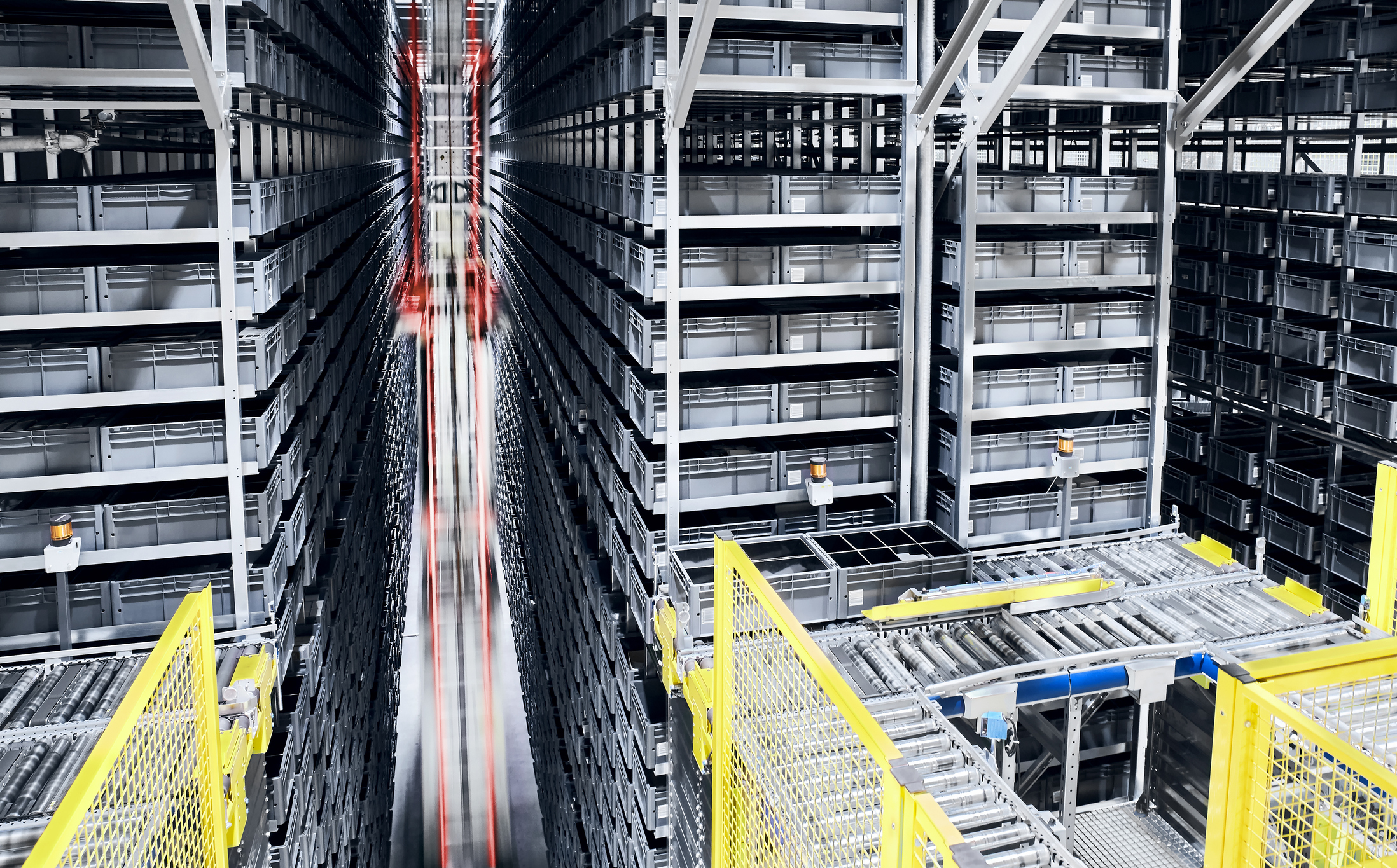
Standard solutions often reach their limits when faced with specific requirements regarding geometry, coating, load capacity, or environmental conditions. This is precisely where the advantage of application-specific development lies. At INTERNORM, we develop and manufacture custom conveyor rollers tailored to your needs. By combining PUR casting and injection molding technology, we can cost-effectively implement both customer-specific coatings and complete roller solutions. This allows for the realization of special geometries and specific material combinations, as well as production in small, medium, and large quantities.
Thanks to our extensive material expertise, we support customers during the development phase by selecting suitable plastics and polyurethanes. In addition to classic PU coatings, INTERNORM also offers antistatic and electrically conductive PU coatings for applications with special requirements for ESD protection or the controlled dissipation of electrostatic charges. At INTERNORM, technical consulting and collaborative development are our top priorities. Together with the customer, we analyze requirements, evaluate materials, and specifically design the roller, bearings, and coating. This results in plastic solutions that are optimally matched to the respective application in terms of function, service life, and cost-effectiveness.
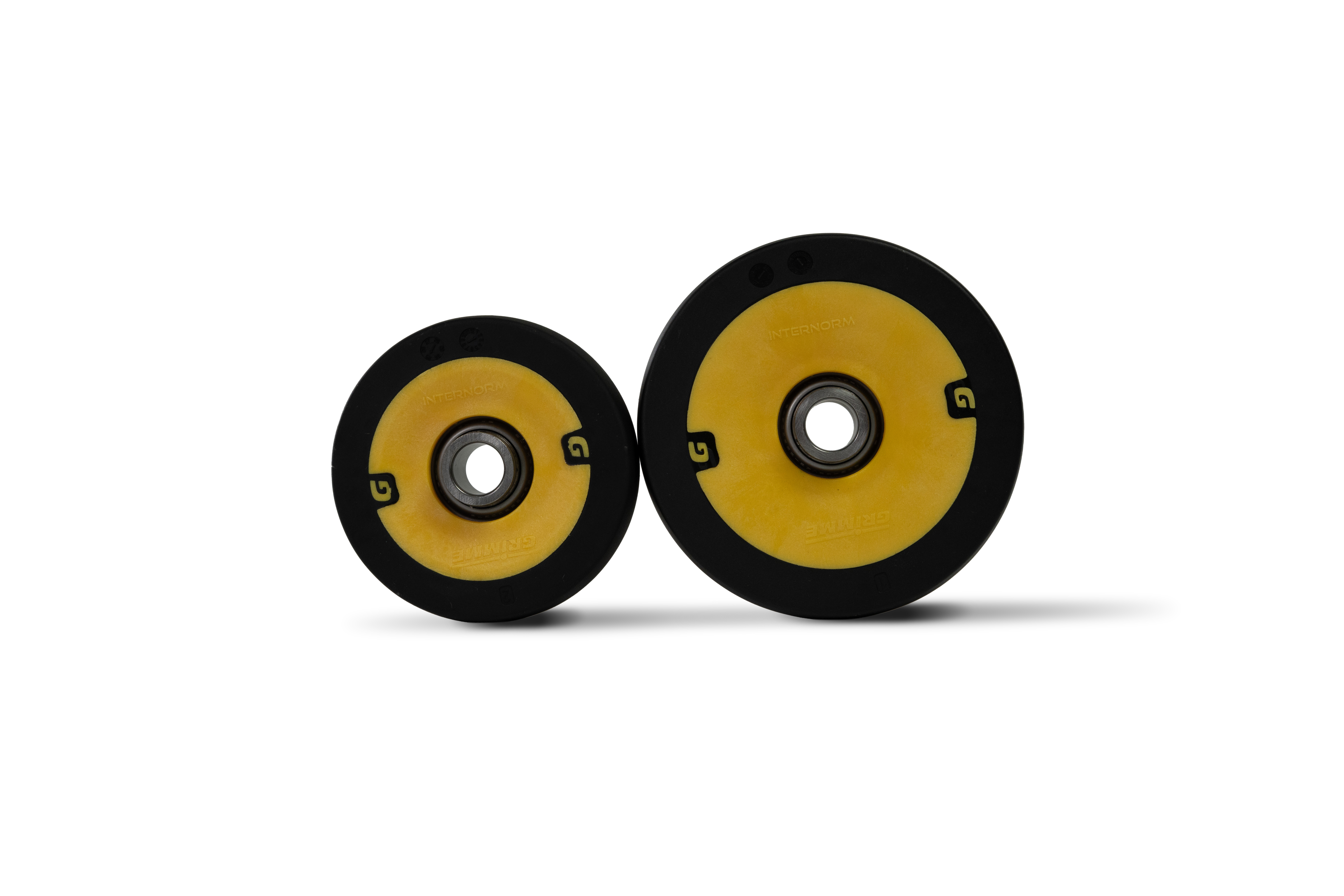
Custom conveyor roller for agricultural machinery
For GRIMME , INTERNORM developed a new roller for driving conveyor belts. By optimizing several component parts, we achieved a significantly longer service life compared to the previous version. Key improvements included:
- Optimized ball bearing for higher operational reliability and reduced wear
- Reinforced rim to withstand higher mechanical loads
- Lighter tire to reduce moving mass
- Improved running stability for smooth and reliable operation
- Dirt-repellent design to minimize buildup from soil and crop residue
Additionally, the sustainability of the component was increased through the targeted use of recycled materials. This project demonstrates how close collaboration between a customer and a development partner leads to bespoke roller solutions that offer measurable advantages over standard components in terms of service life, functionality, and resource efficiency.
Choosing the right conveyor roller
Conveyor rollers are a decisive factor in the performance, smooth operation, and cost-efficiency of modern conveyor systems. Whether gravity rollers or driven conveyor rollers, the optimal solution always depends on the requirements of the specific application. In addition to the conveyed goods, load capacity, and conveying speed, factors such as diameter, bearing type, environmental conditions, and the choice of material also play an important role.
While steel rollers are primarily used for very high loads, plastic and PU-coated conveyor rollers often offer advantages in terms of weight, noise levels, corrosion resistance, and wear protection. Companies with individual requirements benefit in particular from application-specific development rather than a standard solution.
INTERNORM develops and manufactures custom conveyor rollers and PU coatings tailored to individual requirements. By combining material expertise with extensive manufacturing capabilities (casting and injection molding), we create bespoke solutions that are precisely matched to the conveyed goods, operating conditions, and service life requirements.

FAQ
Here you'll find direct answers to frequently asked questions about our conveyor rollers.
What are conveyor rollers?

Conveyor rollers transport unit loads or bulk materials on roller conveyors and in conveyor systems. They consist of a tube shell with an axle and ball bearings, operate either driven or by gravity, and are manufactured from steel, plastic, or with a PU coating.
When are plastic conveyor rollers the right choice?
Plastic conveyor rollers are lightweight, corrosion-free, quiet, and chemical-resistant. They are suitable for medium loads, damp or hygiene-sensitive environments, and situations where steel would be too heavy or prone to rust.
Why are conveyor rollers coated with polyurethane?
A PU coating increases grip and wear resistance, protects sensitive conveyed goods, and dampens noise. Polyurethane is more abrasion-resistant and durable than rubber and can be adjusted to the specific application in hardness levels ranging from soft to hard.
What are the advantages of antistatic PU coatings?
With our antistatic PU coatings, we minimize the risk of electrostatic discharge, protect sensitive components, reduce dust accumulation, and increase process reliability in your application.
Can worn conveyor rollers be recoated?
Yes. Existing roller cores can be recovered using the PU casting process—often more cost-effectively than purchasing complete new units, with the added benefit of a freely selectable Shore hardness.