

Precise elastomer molded parts for your requirements
INTERNORM develops and manufactures products tailored exactly to your requirements, from the initial prototype to series production. Whether injection molding, PUR casting, or ready-to-install assemblies, from robust thermoplastics to wear-resistant elastomer molded parts—we create components defined by their precision and durability.

Cladding
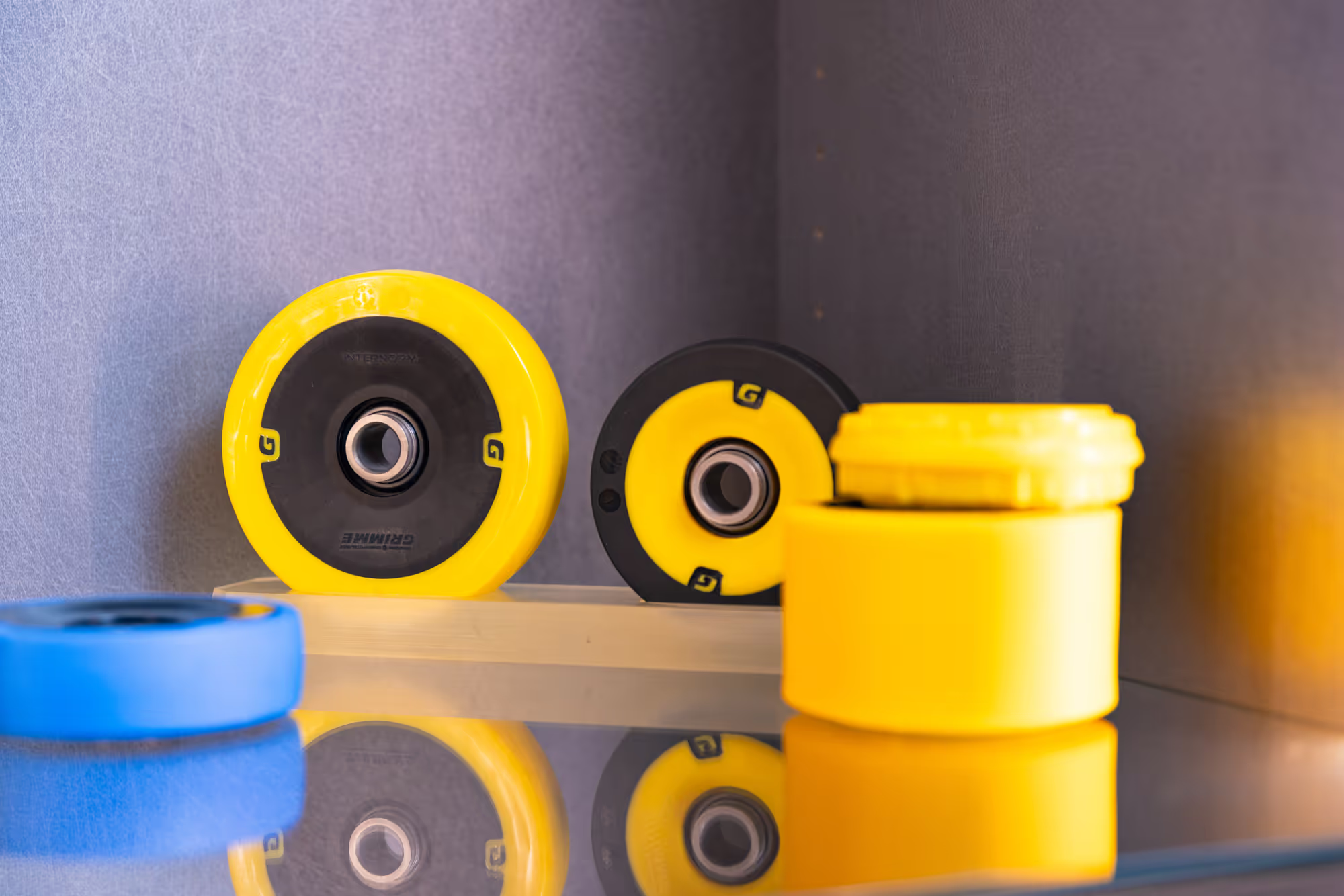
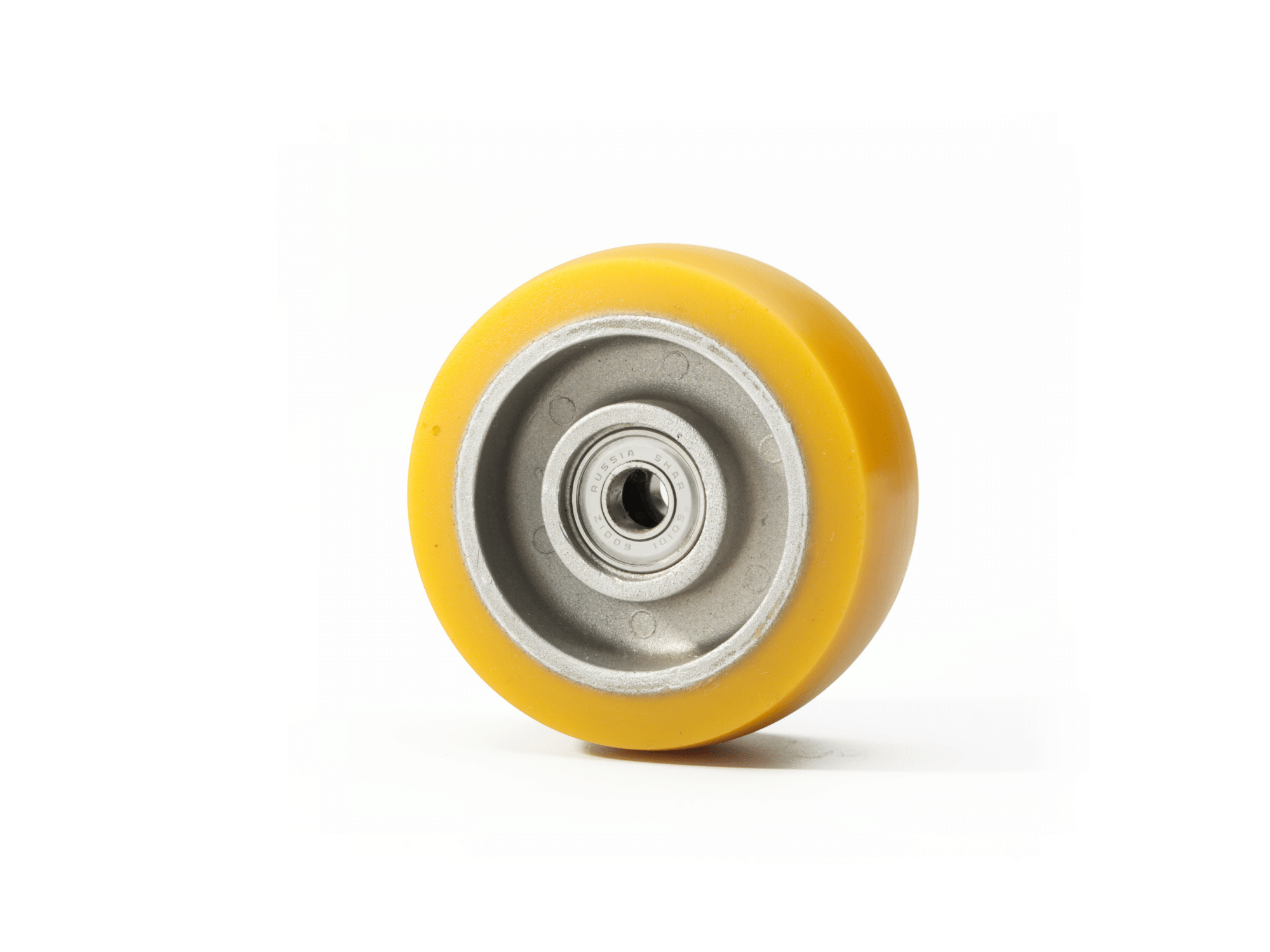
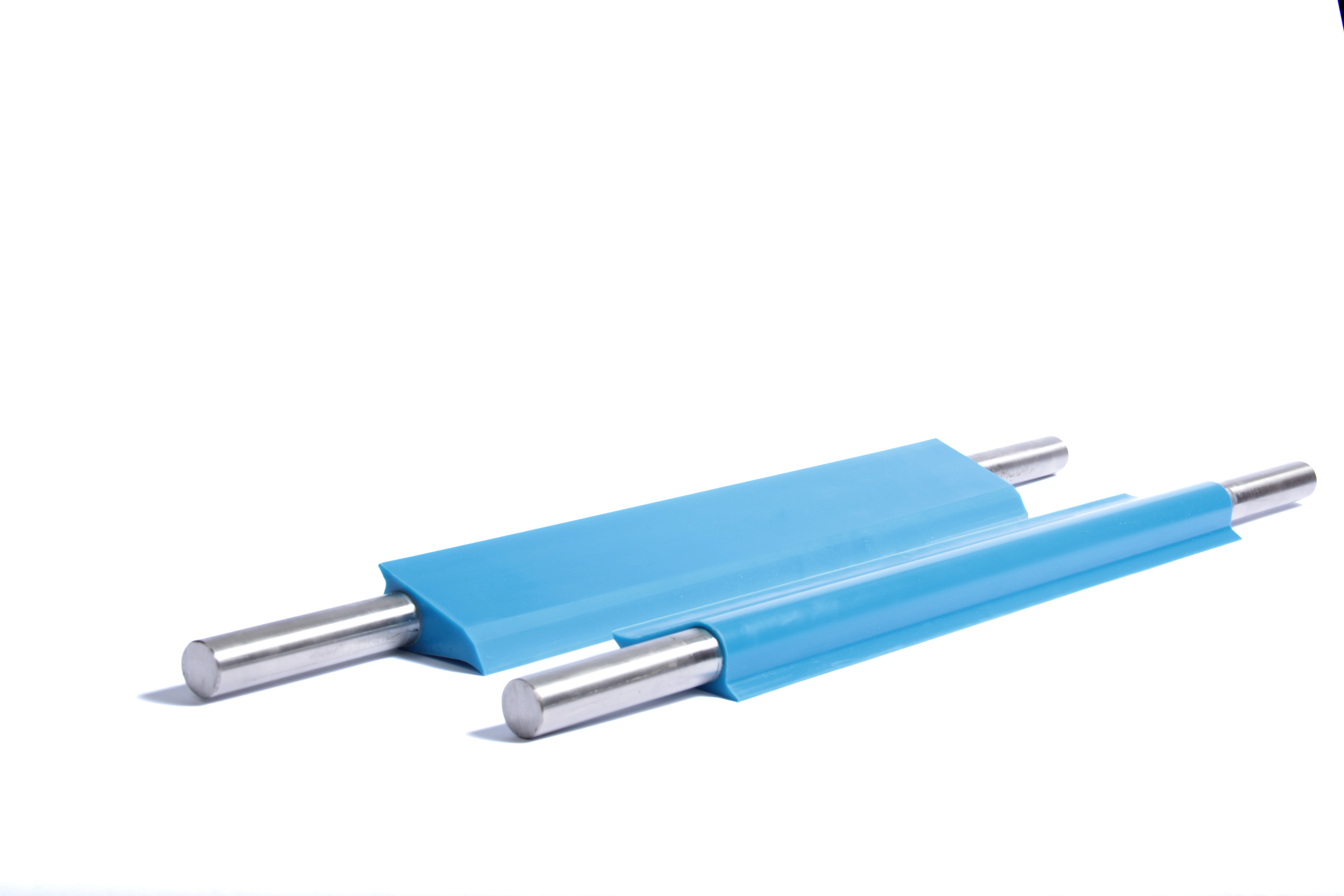
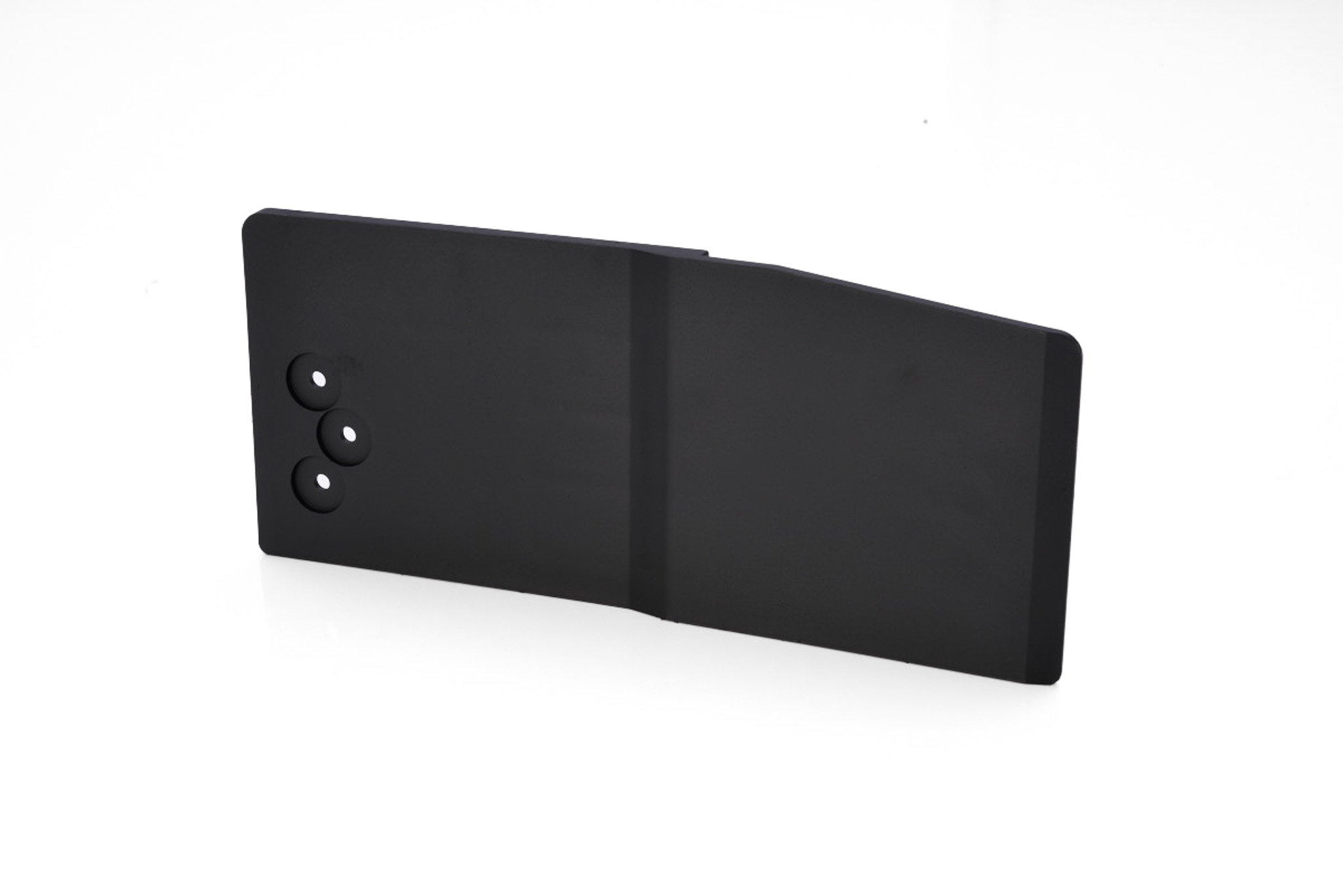
Robust plastic cladding for shuttle and conveyor systems. Weight-optimized, durable, and precision-engineered to protect sensitive components.
Spritzguss
Baugruppen
Fördertechnik
Maschinenbau
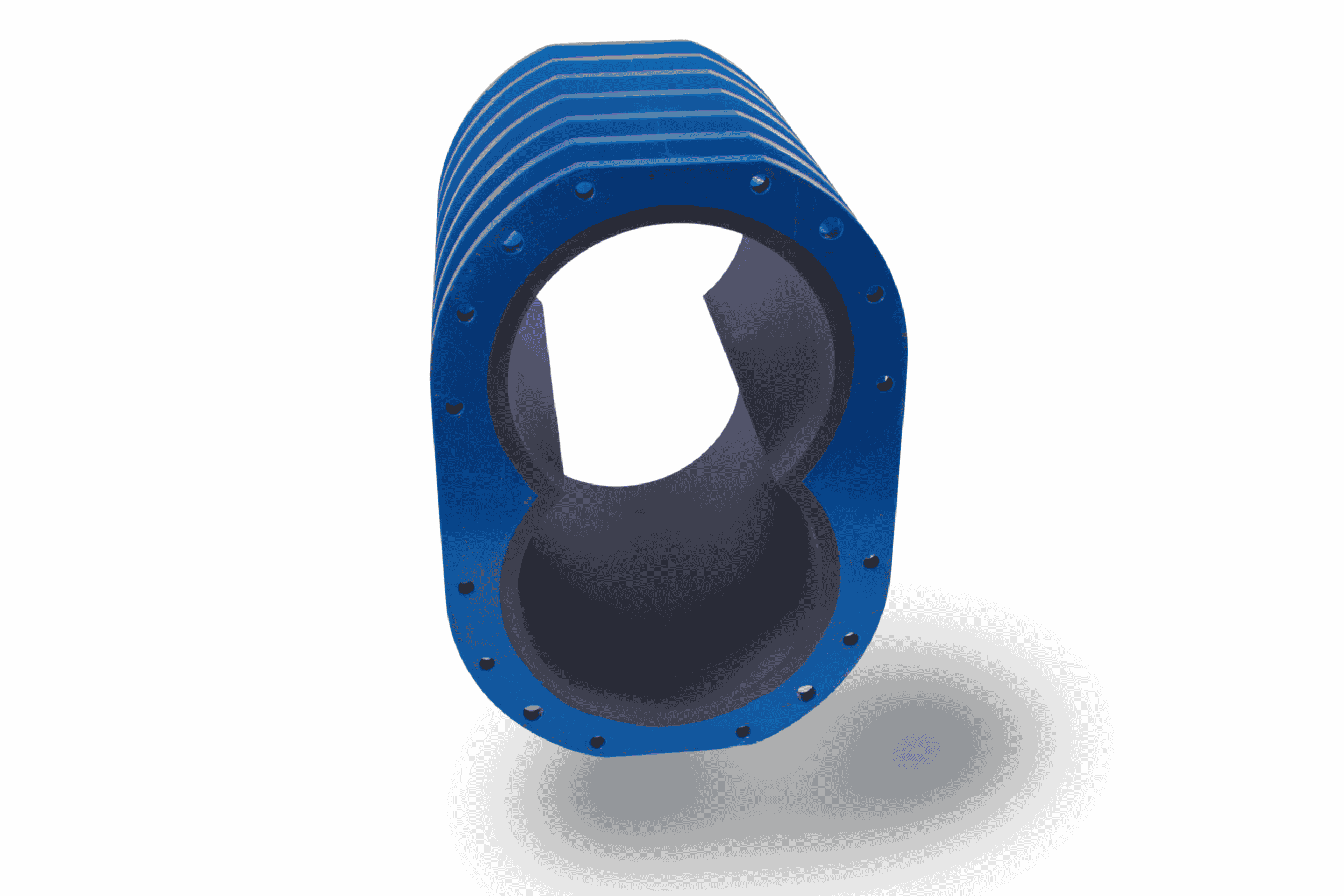
Pump housing
93 Shore A coating for maximum wear protection, extremely abrasion resistant for rotating pump pistons
Gießen
Energietechnik
Maschinenbau
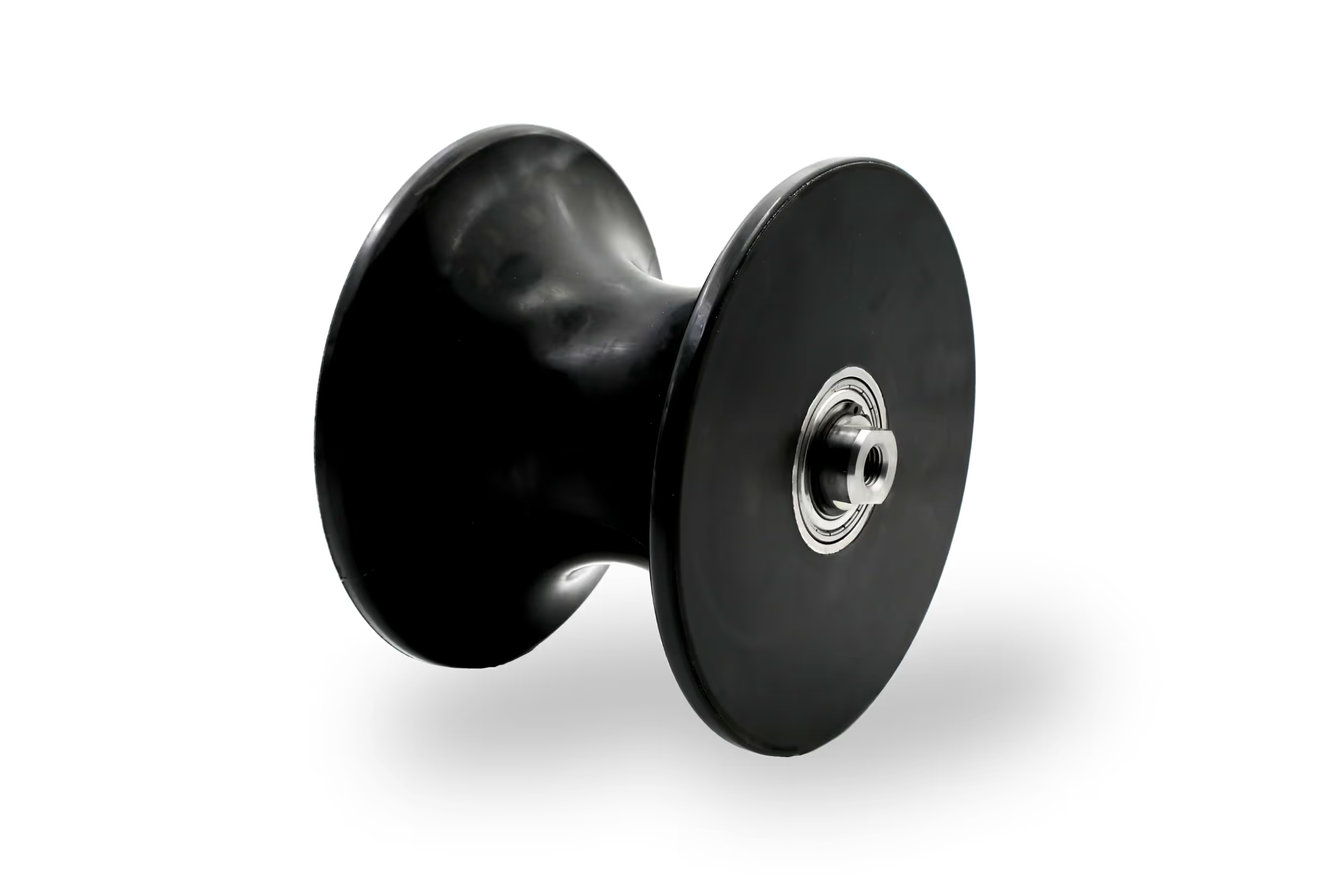
Roller for cable installation systems
Roller with SKF ball bearing: The profile can be adjusted to the cable diameter. Large diameters for offshore cables are possible.
Gießen
Energietechnik
Fördertechnik
Maschinenbau
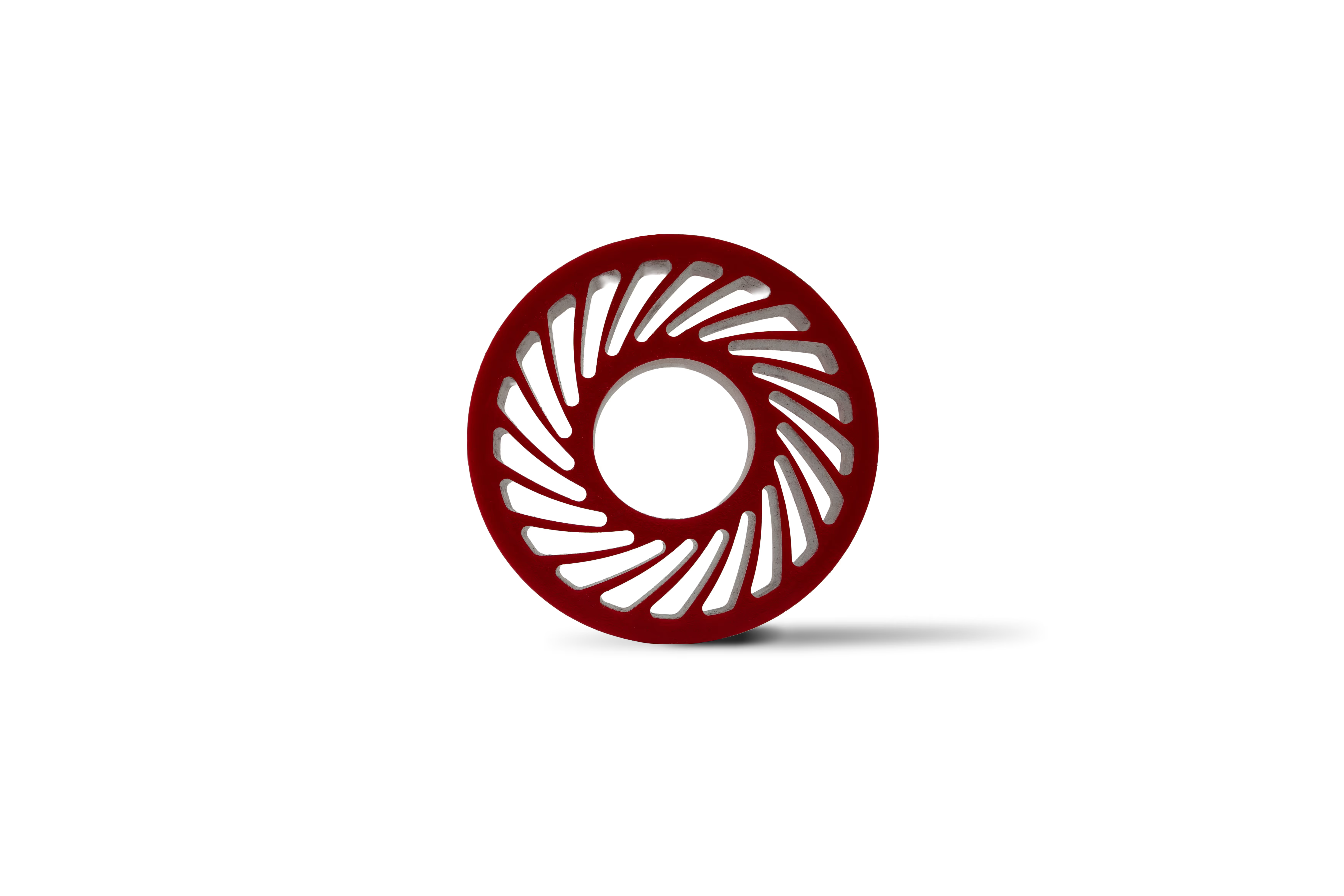
No-crush roll
Extremely flexible, recovery properties can be determined individually based on the shore hardness and the profile, depending on the application. Also available with metal core and ball bearings.
Gießen
Maschinenbau
Fördertechnik
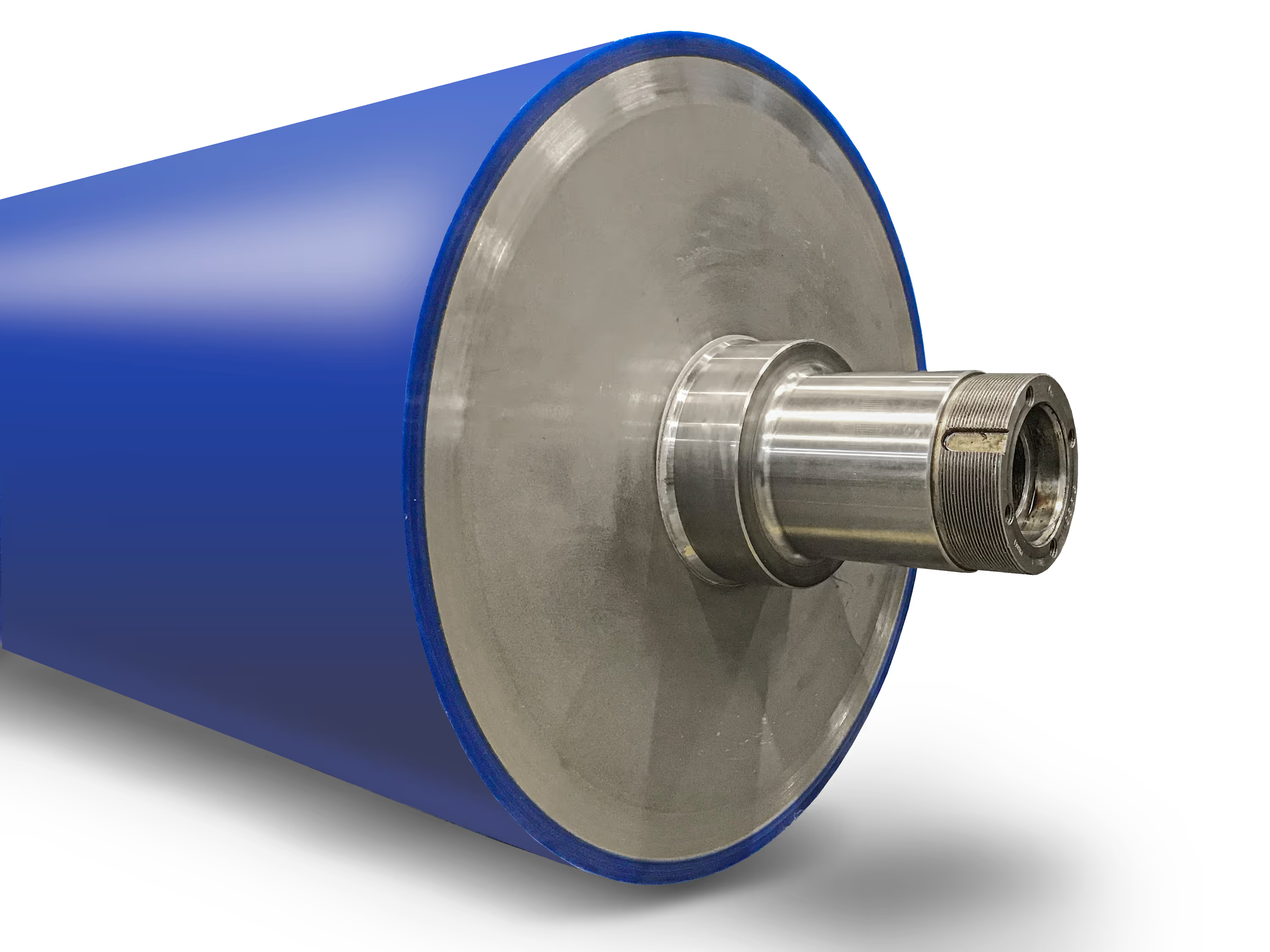
Pressure roller
It is characterized by a very high temperature resistance combined with a high dynamic load capacity.
Gießen
Walzen
Maschinenbau
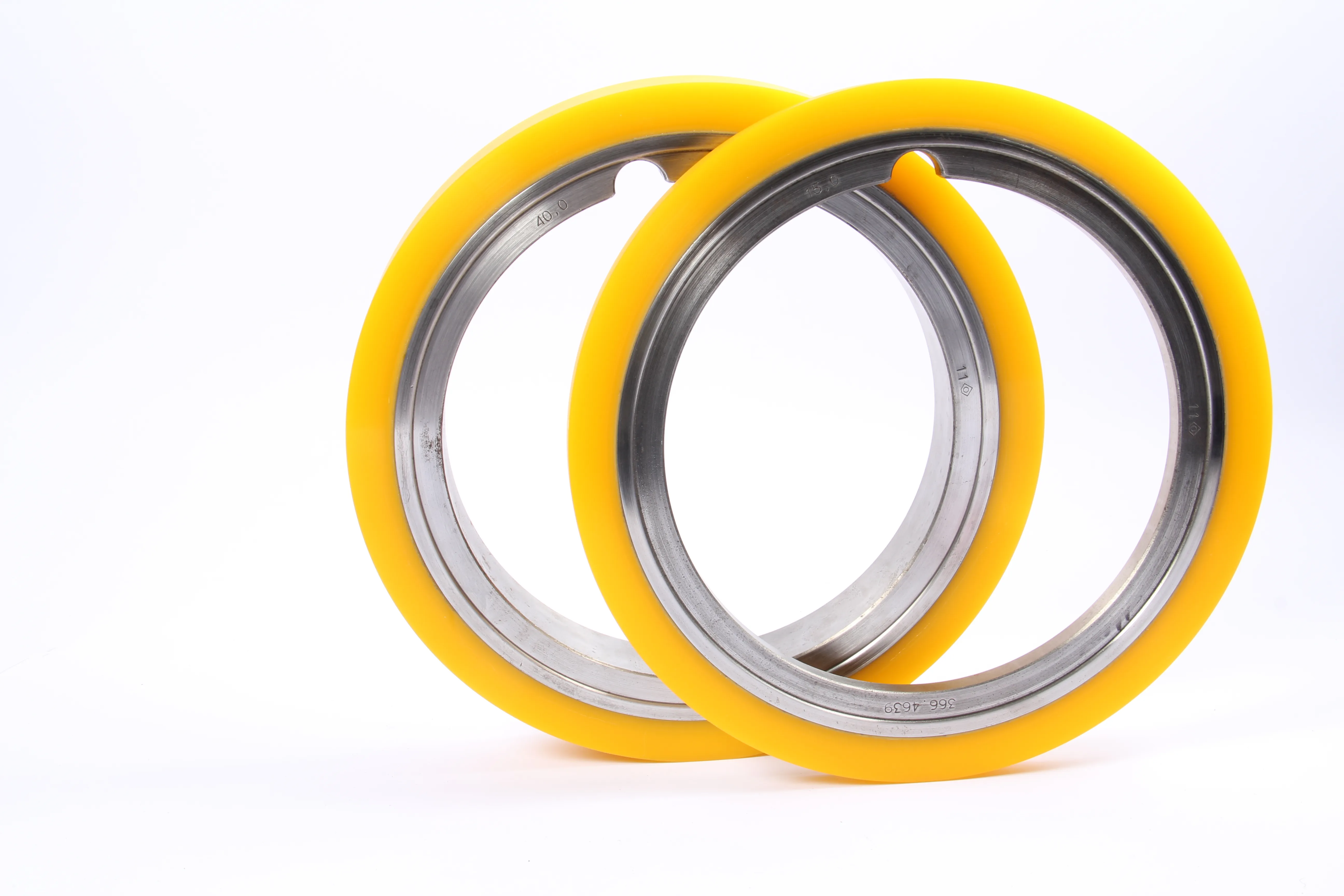
Ejector rings
Ejector rings with high-precision polyurethane coating for use in steel service centers - abrasion-resistant and resistant to chemicals.
Gießen
Maschinenbau
Walzen
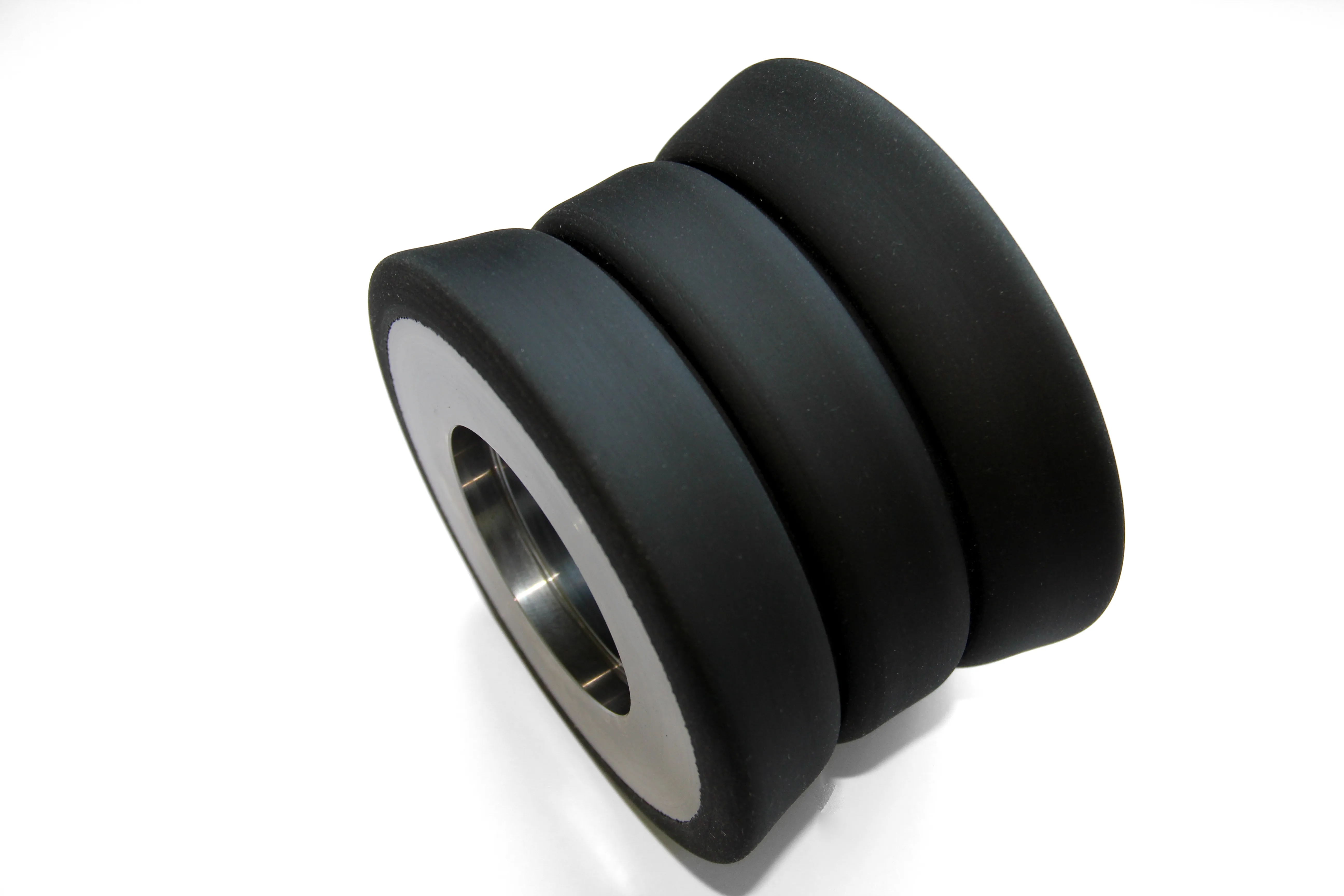
Diabolo roller
Durable and wear-resistant plastic diabolo roller (roller) for safe guidance and stability in technical systems.
Gießen
Maschinenbau
Fördertechnik
Energietechnik
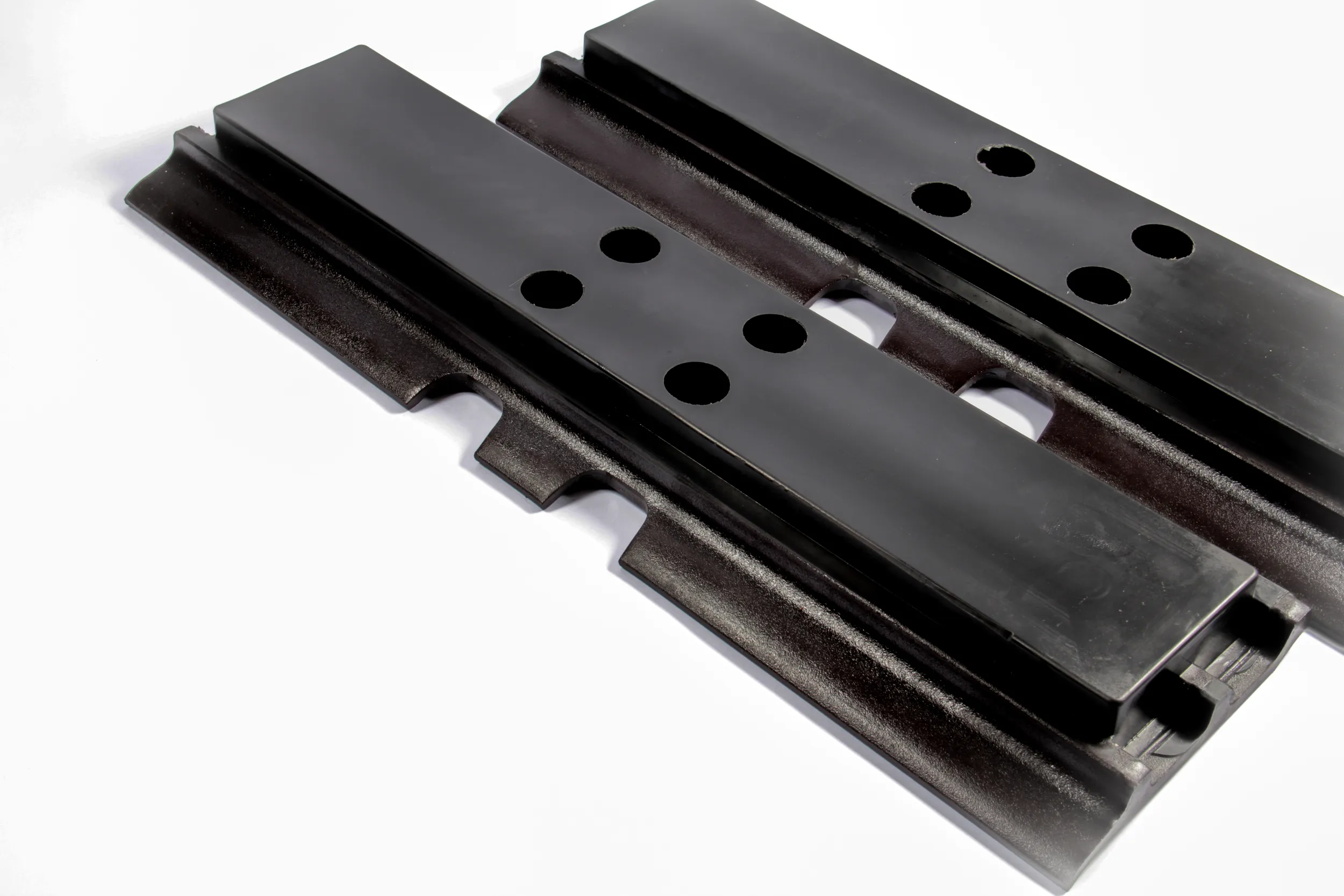
Chain plates
Our extremely wear-resistant polyurethane can be used as a coating or a replaceable cushion. It offers mechanical strength, is noise-absorbing and ideal for noise-sensitive conditions.
Gießen
Baumaschinenindustrie
Maschinenbau
Energietechnik
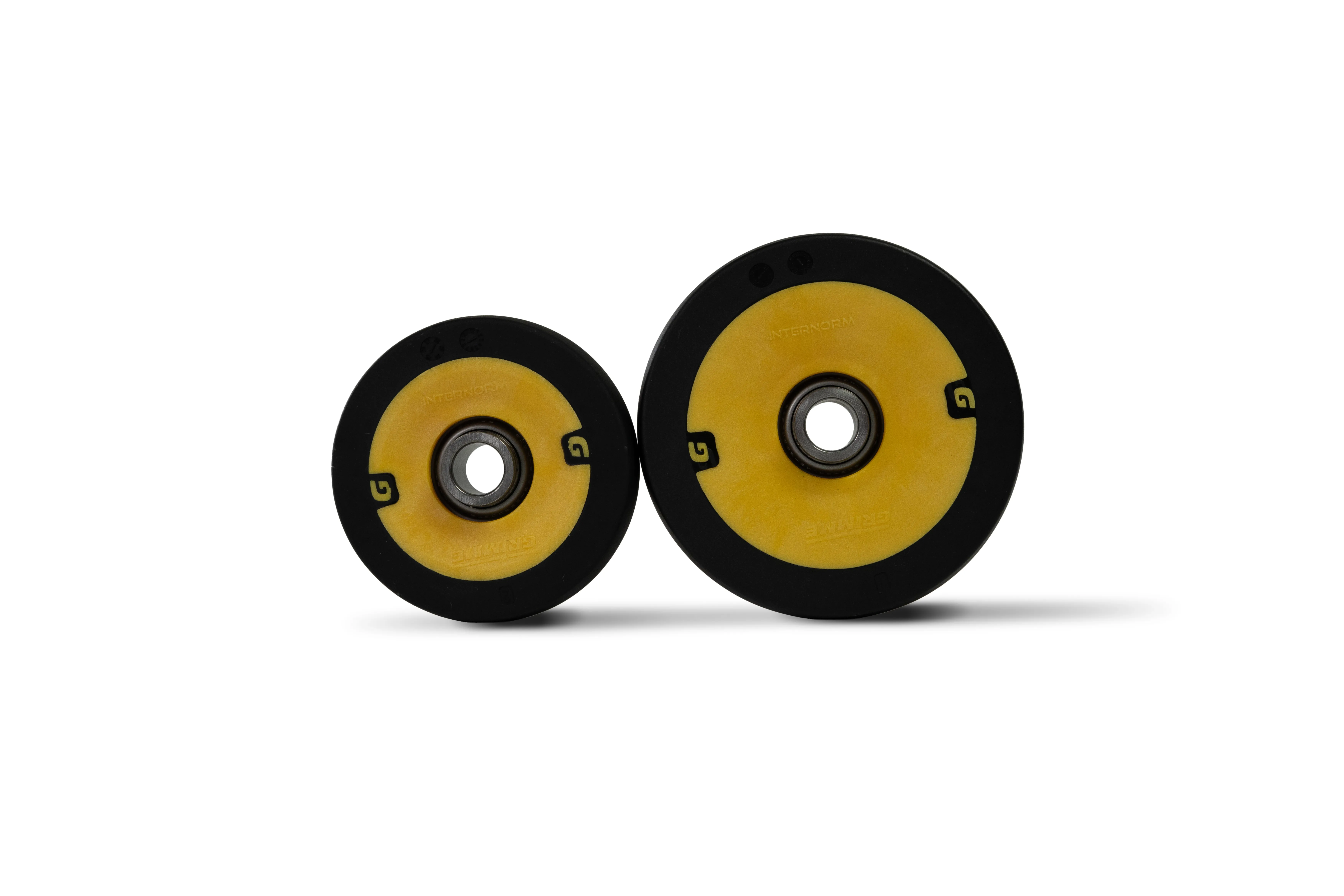
3-component roller
Extremely abrasion-resistant three-component roller: Technical improvements to the ball bearing, bandage and rim ensure a longer service life.
Spritzguss
Fördertechnik
Agrartechnik
Maschinenbau
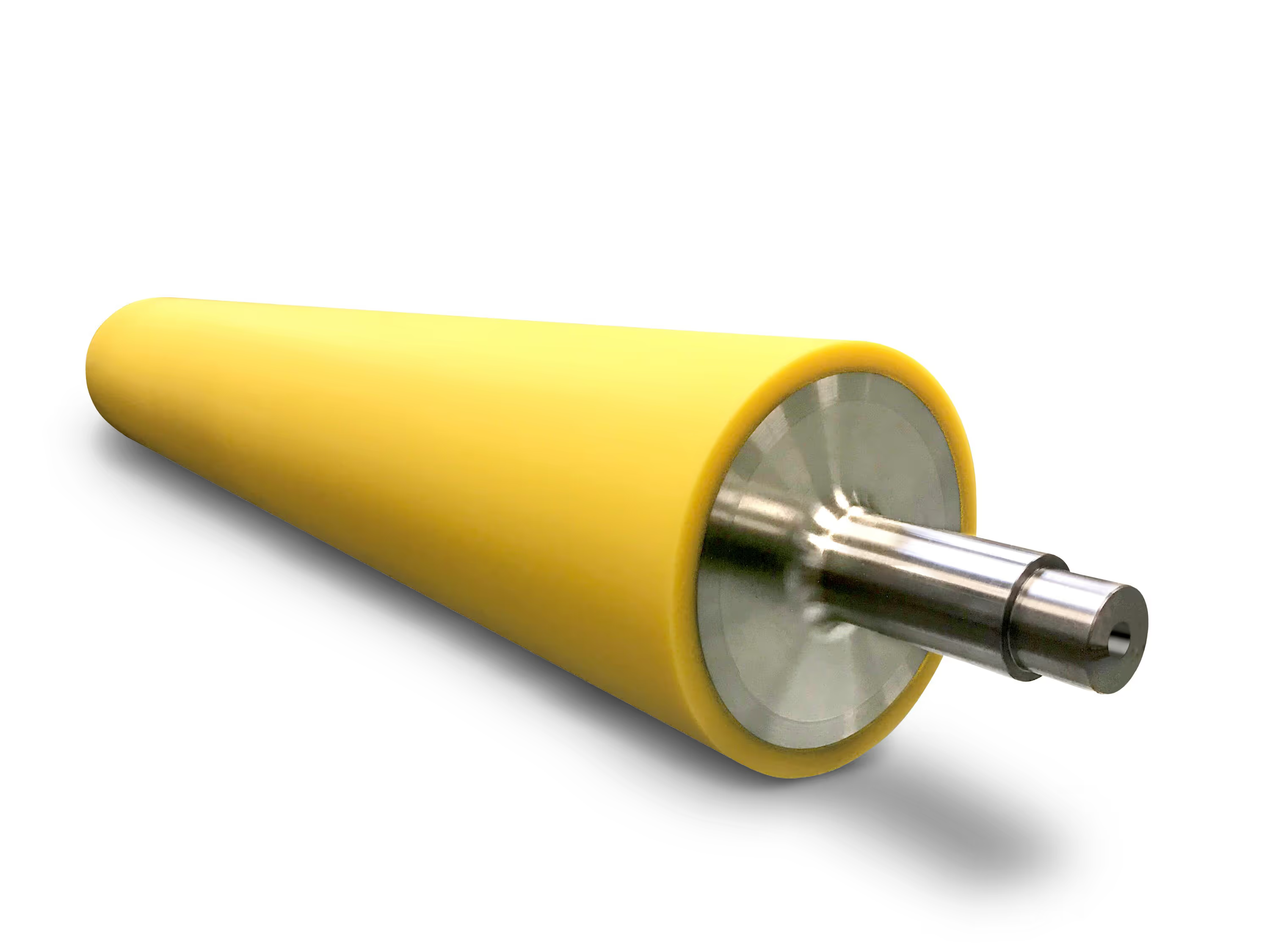
Paint application cylinder
Paint application rollers for the furniture, steel, and aluminum industries offer excellent solvent resistance with hardness levels ranging from 10° to 90° Shore A.
Gießen
Walzen
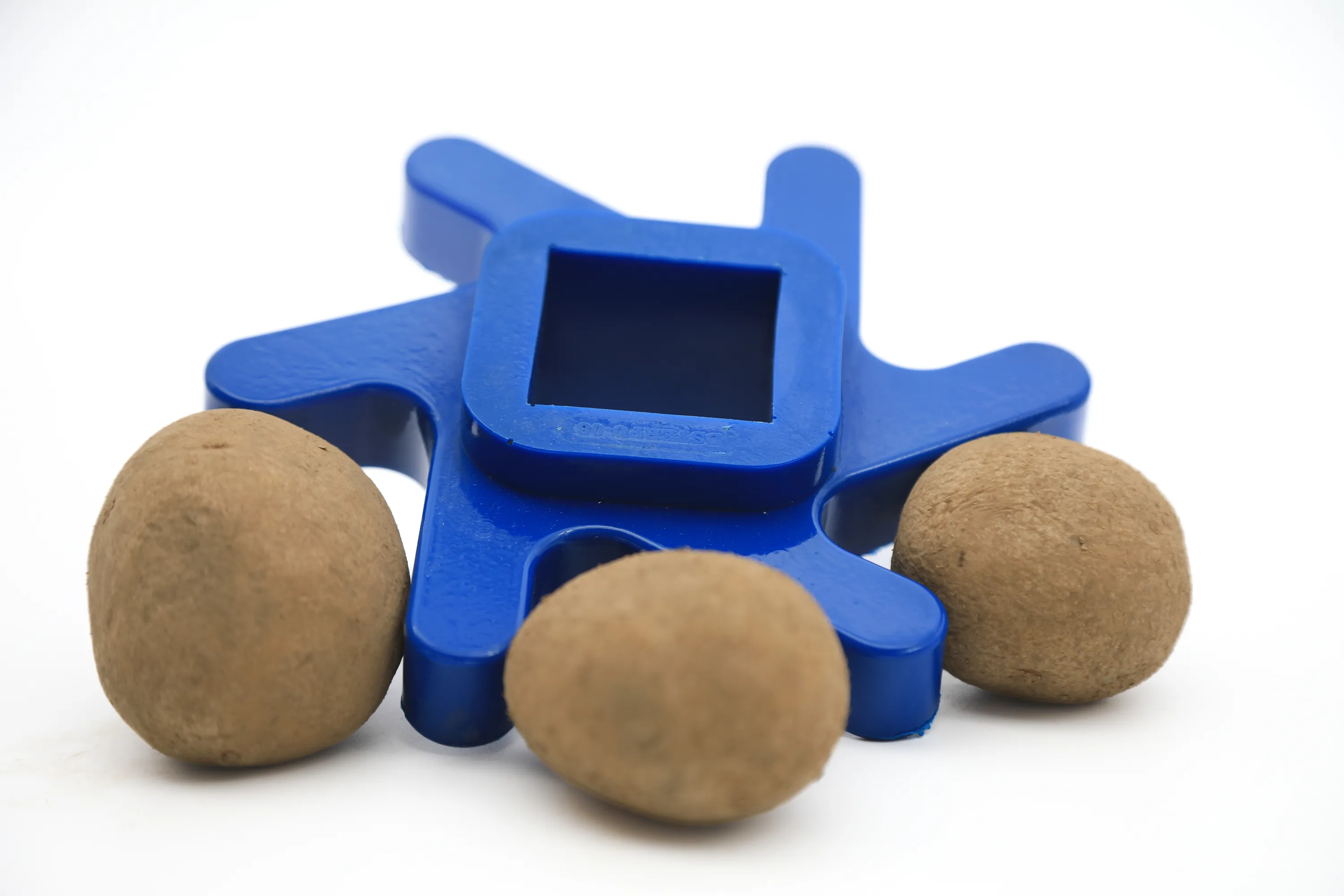
Detectable sieve star
Filled with aluminum powder so that it can be identified via a metal detector. The individually adapted material is durable and has excellent abrasion properties.
Gießen
Agrartechnik
Lebensmittelindustrie
Fördertechnik
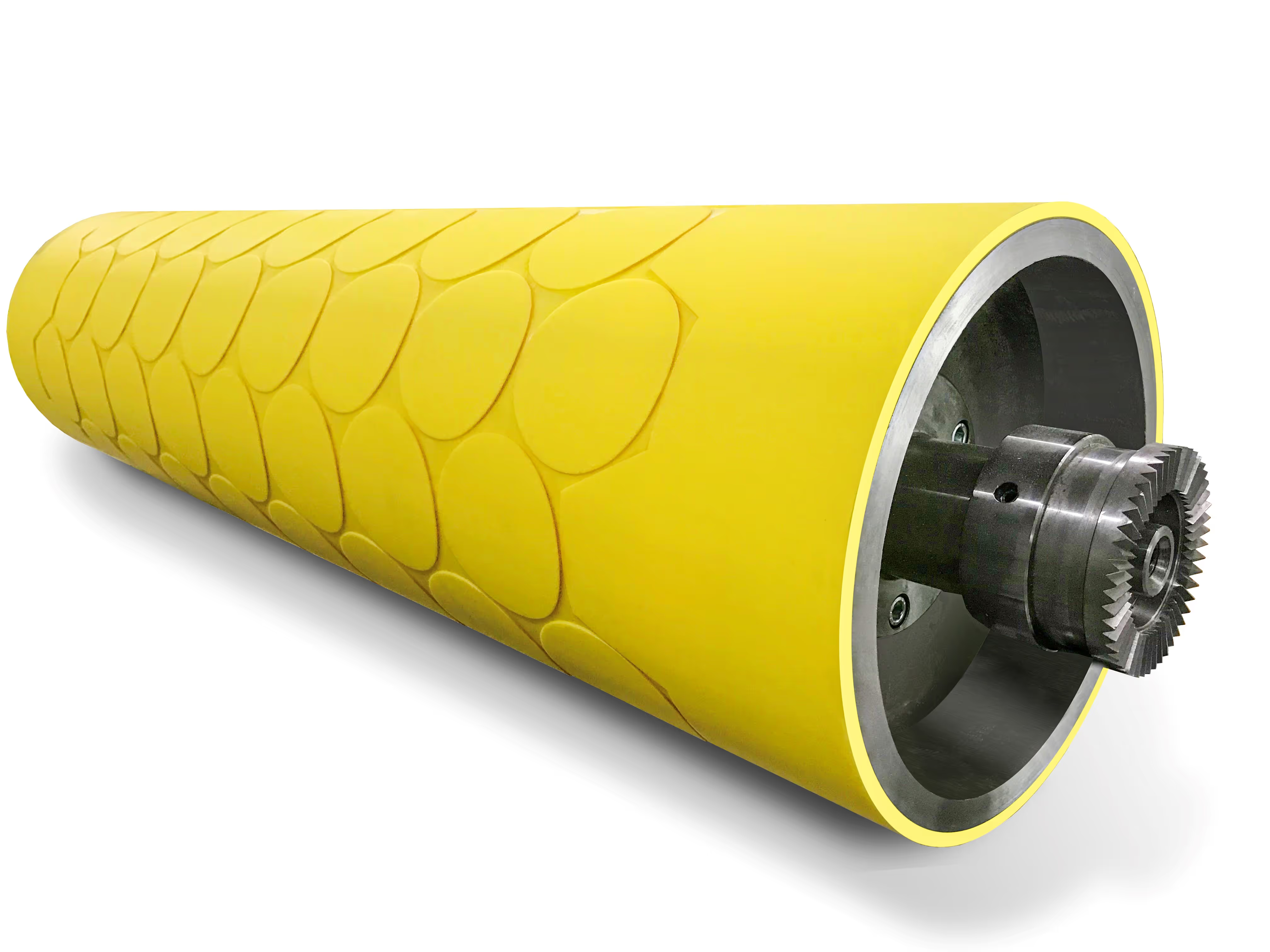
Grooved paint roller
Also known as Milanese paint roller, they are used primarily in the tin and metal packaging industry - available with grooving or laser engraving.
Gießen
Baugruppen
Maschinenbau
Walzen

Deflection roller
Cross-grooved roller with polyurethane coating for the conveyor belt drive ensures improved water drainage and uniform belt drive.
Gießen
Lebensmittelindustrie
Fördertechnik
Walzen
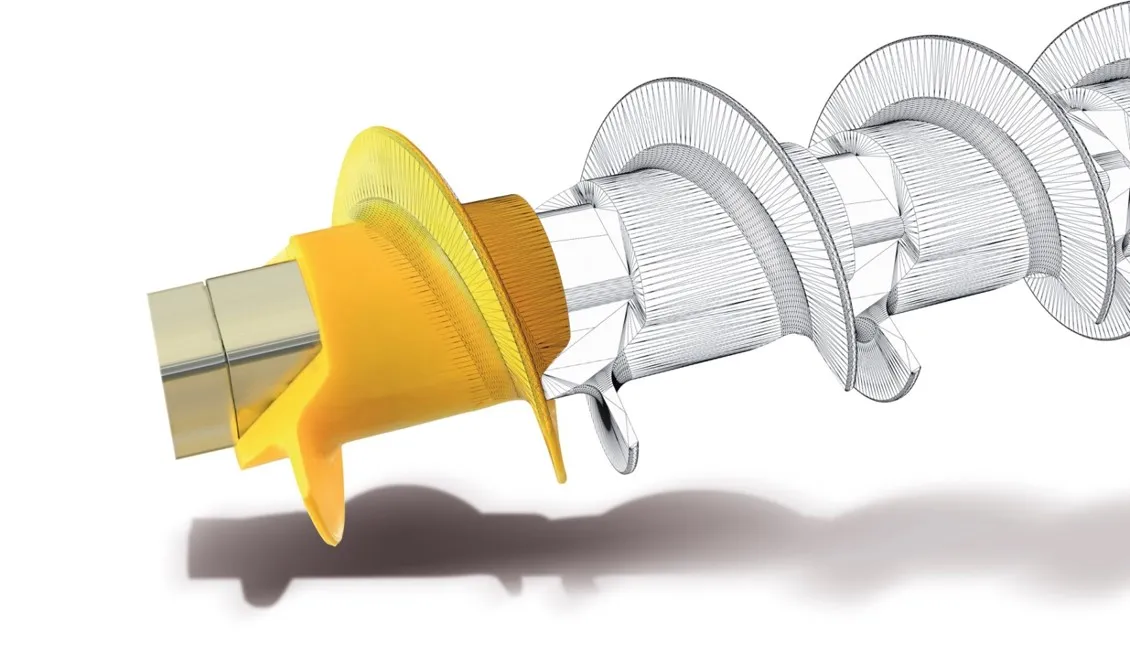
Screw element
Mounted on a square shaft, transport bulk materials through rotational movements — abrasion-resistant and weather-resistant.
Gießen
Baumaschinenindustrie
Fördertechnik
Agrartechnik
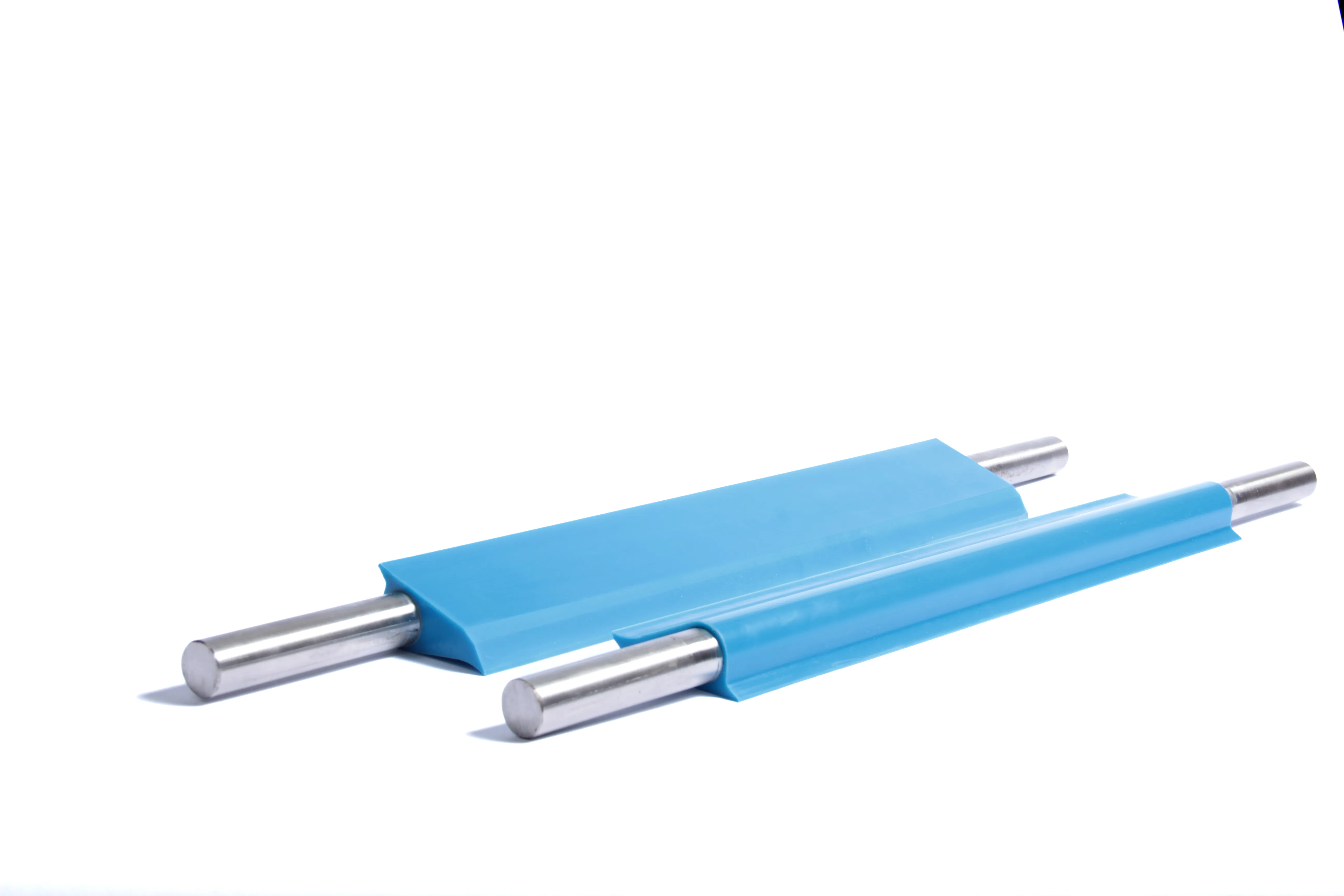
Belt scraper
PU scraper for conveyor belts for optimum scraping results and a long service life in a wide range of applications – flexible and abrasion-resistant.
Gießen
Lebensmittelindustrie
Maschinenbau
Fördertechnik
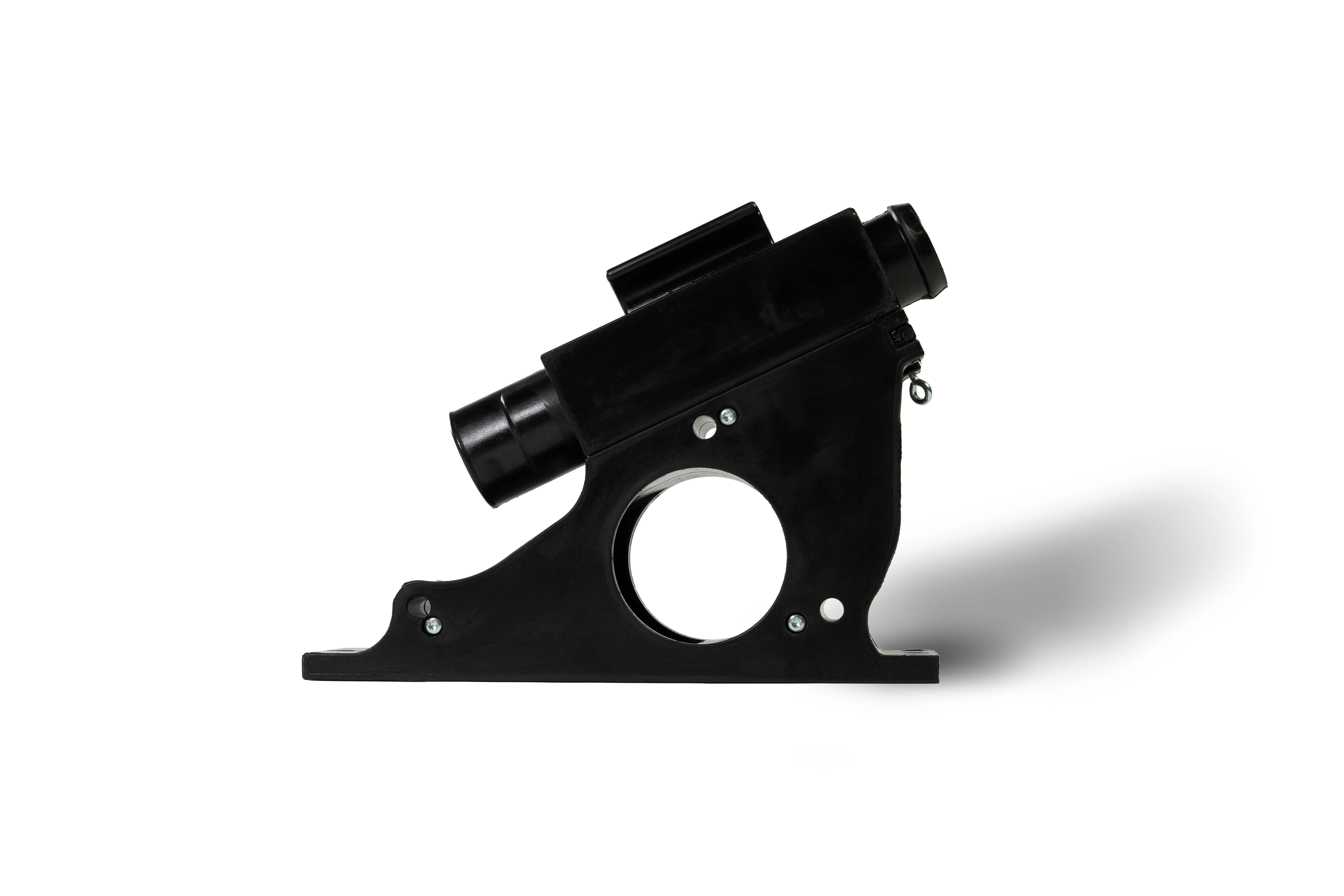
Sowing unit
Housing with metal insert: Robust against abrasion, significantly lighter and less expensive than a steel component thanks to the lightweight construction.
Gießen
Agrartechnik
Baumaschinenindustrie
Maschinenbau
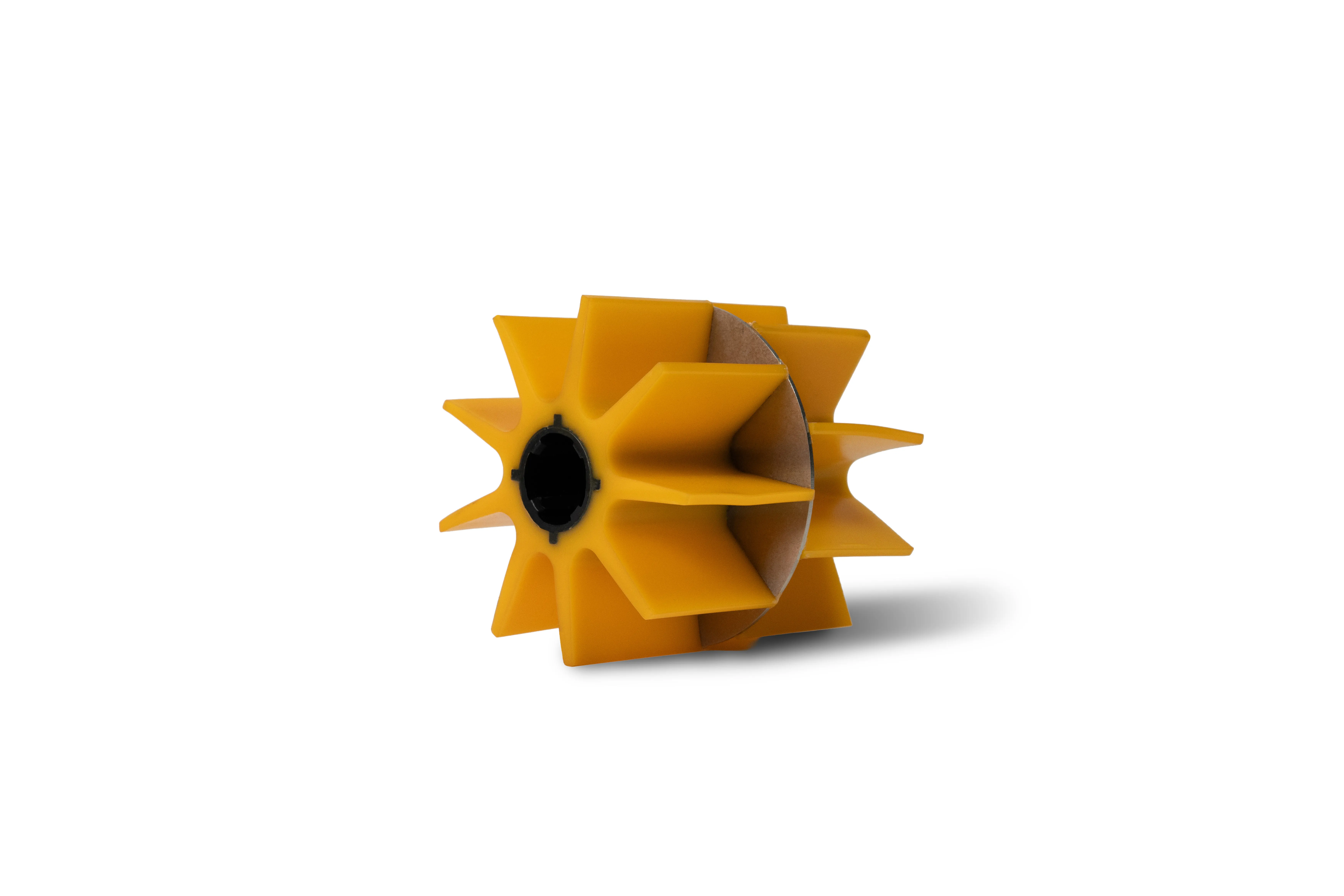
Rotary valve
Ideal for metered material discharge due to their self-cleaning surface and high wear resistance, while also being lighter than steel.
Gießen
Baugruppen
Agrartechnik
Lebensmittelindustrie
Plastic molded parts: Precise and customized.
Custom-molded plastic parts are bespoke components made from polymer materials, shaped using processes such as casting or injection molding. Commonly used materials include polyurethane (PU) and thermoplastic elastomers (TPE), as their mechanical properties can be precisely tailored to specific requirements.
What are molded elastomer parts?
Molded elastomer parts are components made from elastic materials characterized by high flexibility, resilience, and durability. They are shaped into the desired geometry using processes such as casting and injection molding and can be precisely tailored to specific requirements.
Typical materials include polyurethane (PU) and thermoplastic elastomers (TPE), as they offer an ideal combination of elasticity, wear resistance, and chemical stability. Targeted material selection allows for the precise adjustment of properties such as hardness, damping, tear strength, and resistance to environmental factors. Molded elastomer parts are primarily used in applications where components must withstand dynamic loads, abrasion, or aggressive media. They are particularly well-suited for technical components such as seals, damping elements, rollers, coatings, or protective parts, and they make a decisive contribution to the functionality and longevity of industrial systems.
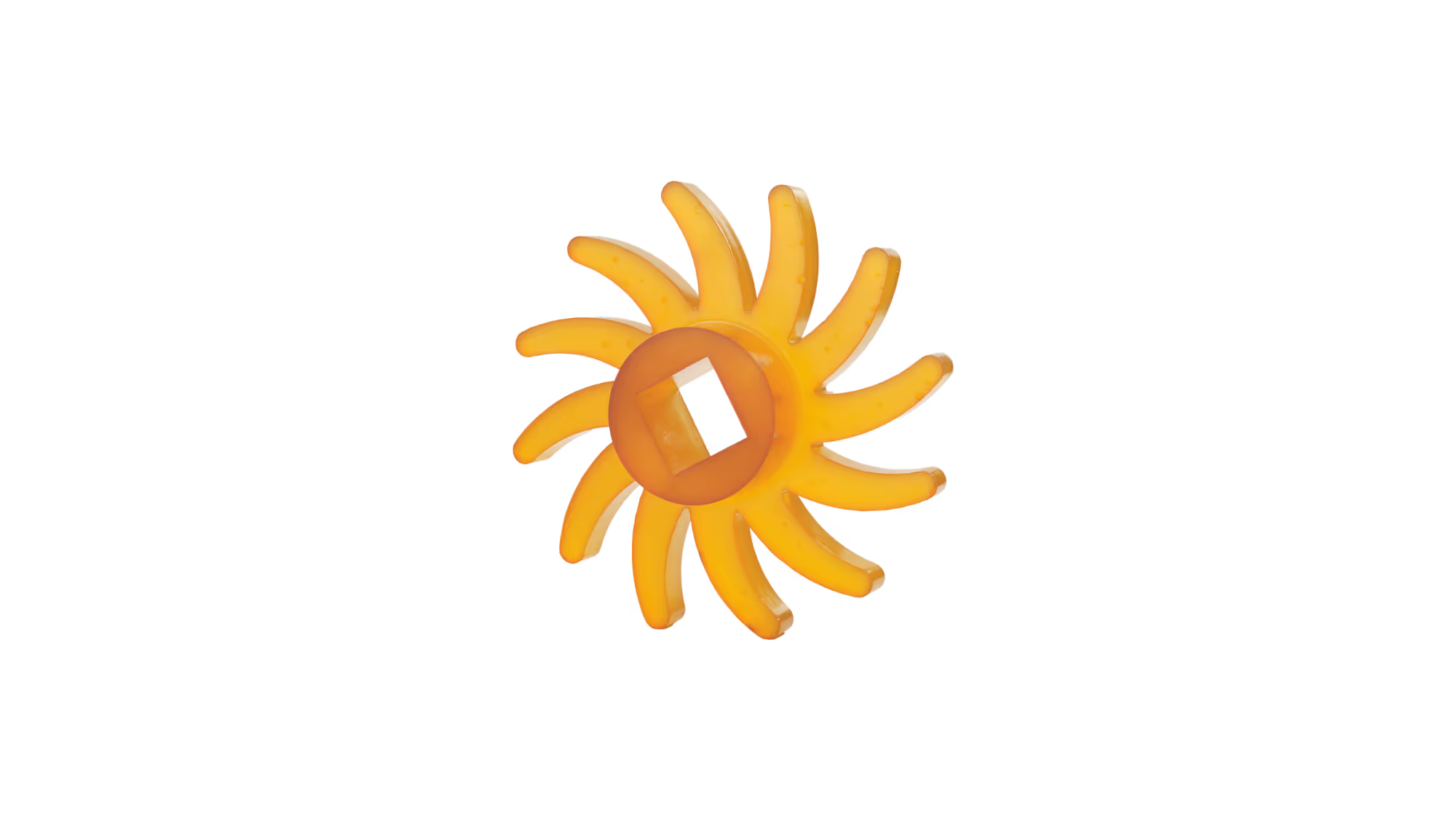
What shapes are available for plastic molded parts?
Plastic molded parts can be realized in almost any geometry – from simple standard shapes to highly complex, function-integrated components. The design depends significantly on the material used and the chosen manufacturing process.
Simple geometries
Typical standard shapes include simple components such as plates, covers, housings, rings, bushings, rollers, or seals. These geometries are relatively straightforward to manufacture and are frequently produced in large quantities. They are used wherever standardized components are required.
Complex molded parts and special geometries
Furthermore, complex molded parts with integrated functions can be realized, such as components with undercuts, varying wall thicknesses, or special surface textures. Such customized solutions are specifically developed for demanding applications to combine multiple functions into a single component or to reduce assembly effort.

Overview of manufacturing processes
Casting
In the casting process, liquid reaction systems, such as polyurethane, are poured into a mold where they harden. This method is particularly suitable for large, complex, or custom-made components as well as smaller production runs.
Injection molding
In the injection molding process, plastic material is melted and injected into a mold under high pressure. This method enables highly precise, series-ready production with high repeatability – ideal for large quantities and complex geometries.
Custom plastic molded parts
Custom plastic molded parts are manufactured exactly according to customer drawings, CAD data, or samples. Based on specific requirements, geometry, material, and manufacturing processes are carefully selected to ensure optimal function and a perfect fit.
These materials offer decisive advantages, especially for custom-made products: they enable tailored properties such as defined hardness, high wear resistance, damping, or media resistance. This allows even complex components to be implemented economically and with optimized performance. Precision manufacturing is crucial in industrial applications, as it directly influences the functionality, service life, and process reliability of machines and systems. Individually manufactured plastic molded parts help reduce downtime, extend maintenance intervals, and make existing systems more efficient.
Tolerances and acceptance conditions for plastic molded parts
The production of plastic molded parts is subject to defined tolerances that vary depending on the material, component geometry, and manufacturing process. For elastomers in particular, adapted tolerance ranges are required due to material-specific properties such as shrinkage or elastic behavior. The basis for this includes common standards such as DIN ISO 3302 for elastomers, as well as material- and process-specific guidelines.
Acceptance conditions are generally determined individually between the manufacturer and the customer and include not only dimensional tolerances but also criteria such as surface quality, hardness (e.g., Shore value), mechanical properties, and visual characteristics. Depending on the application, testing requirements, documentation, or initial sample inspection reports may also be part of the acceptance process. INTERNORM relies on consistent quality assurance throughout the entire manufacturing process. Modern measuring and testing technology ensures that all specified requirements are met and that the supplied plastic molded parts comply with the highest quality standards.
Application examples for plastic molded parts
Thanks to their versatile properties, plastic molded parts are used in a wide variety of industrial sectors. In addition to the industries listed here, we also support many other industrial sectors with custom plastic molded parts.
Agricultural technology
In agricultural technology, plastic molded parts are used in wear parts, scrapers, conveyor components, and protective covers. They are characterized by high abrasion resistance as well as resistance to moisture, dirt, and harsh environments.
Mechanical engineering
In mechanical engineering, molded parts serve as seals, guides, stops, and damping elements. They ensure precise operation, reduce vibration, and extend the service life of machine components.
Food industry
This is where molded parts are used in rollers, seals, and conveyor systems. Key requirements include hygienic properties, ease of cleaning, and resistance to cleaning agents and disinfectants.
Construction machinery
In construction machinery, plastic molded parts are used for high-stress components such as bushings, wear parts, and damping elements. They reduce wear, absorb shocks, and increase operational safety.
Conveyor technology
In conveyor technology, molded parts are used for roller coverings, conveyor belts, and scrapers. Their high abrasion resistance and adaptability ensure reliable material transport with reduced maintenance requirements.
Energy technology
In energy technology, plastic molded parts are used in a wide variety of systems. They impress with their high wear resistance, corrosion resistance, and reliable performance even under demanding environmental conditions.
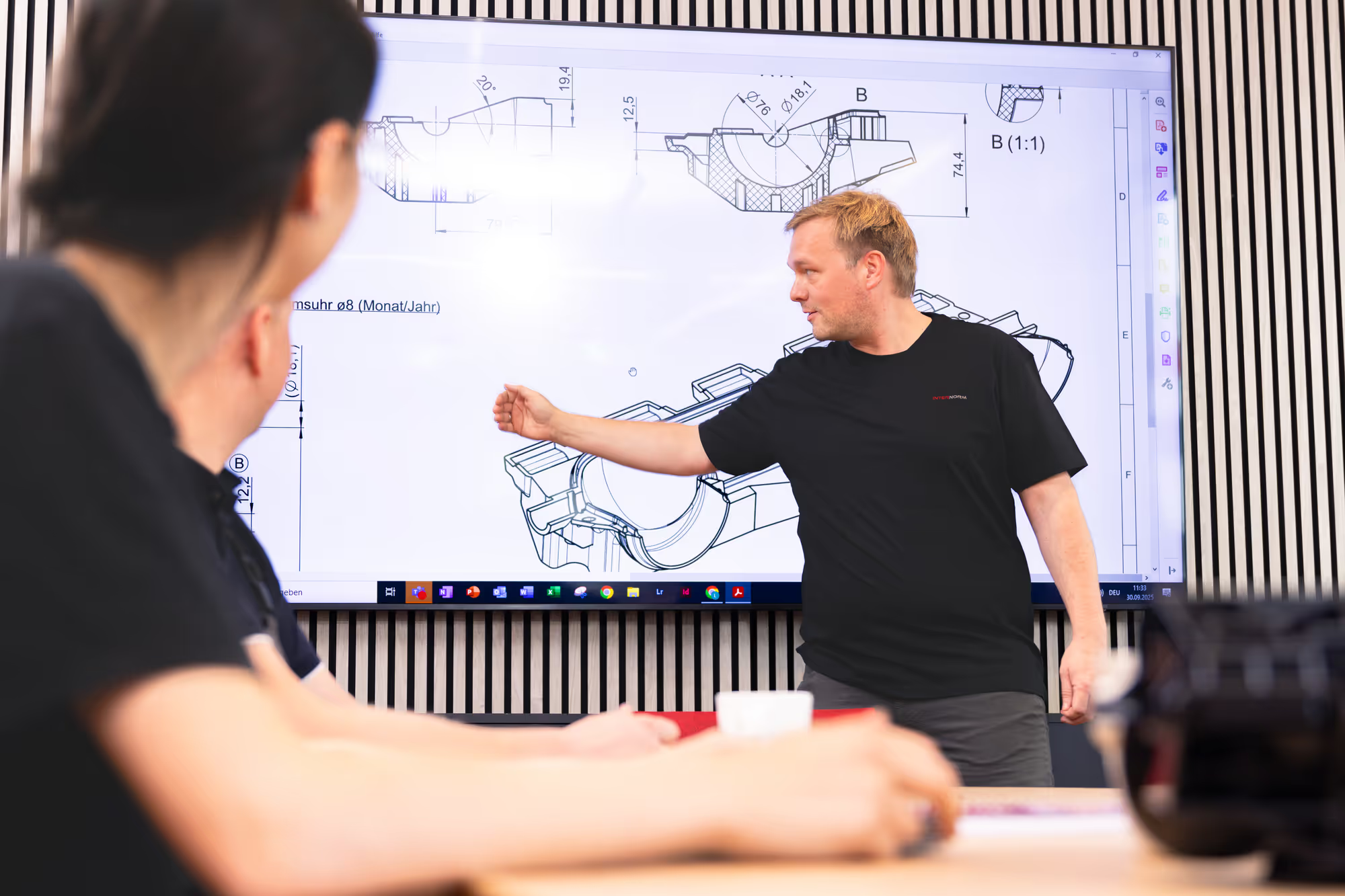
Plastic molded parts for the highest demands
Plastic molded parts are custom-manufactured components made from materials such as polyurethane (PU), TPE, or TPU, which are characterized by high load-bearing capacity, wear resistance, and flexible properties
distinguish them. They are available in numerous variants—from simple standard shapes to complex special geometries—and are produced using processes such as casting or injection molding, depending on the requirements.
The ability to precisely tailor material properties and geometries to specific applications makes plastic molded parts indispensable for demanding industrial use. They contribute significantly to the functionality, efficiency, and service life of machines and systems.
INTERNORM is your development partner for custom plastic components, providing precise implementation of individual solutions based on customer requirements, targeted use of high-quality materials, and consistent quality assurance.
FAQ
Find direct answers to frequently asked questions about our products here.
What are PU molded parts and what are they used for?

PU molded parts are components made of polyurethane produced using the casting process. They are primarily used in industrial applications where high wear resistance, elasticity, and chemical resistance are required, such as in rollers, seals, or conveyor components.
What shapes are available for polyurethane molded parts?
Polyurethane molded parts can be produced in almost any geometry – from simple shapes like rollers, bushings, or plates to complex custom geometries with integrated functions and special surface textures. The advantage is that casting molds are more cost-effective than injection molding tools, making it economical to produce even small quantities.
Can I have custom molded plastic parts made to measure?
Yes, molded plastic parts can be custom-made according to drawings, CAD data, or samples. In this process, the material, hardness, and geometry are precisely tailored to the specific application.
What tolerances apply to molded plastic parts?
Tolerances depend on the material, component geometry, and manufacturing process. Standards such as DIN ISO 3302 often serve as a basis, though the exact requirements are usually determined individually between the manufacturer and the customer.